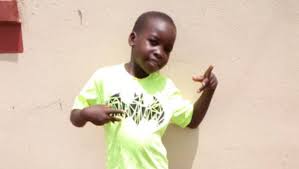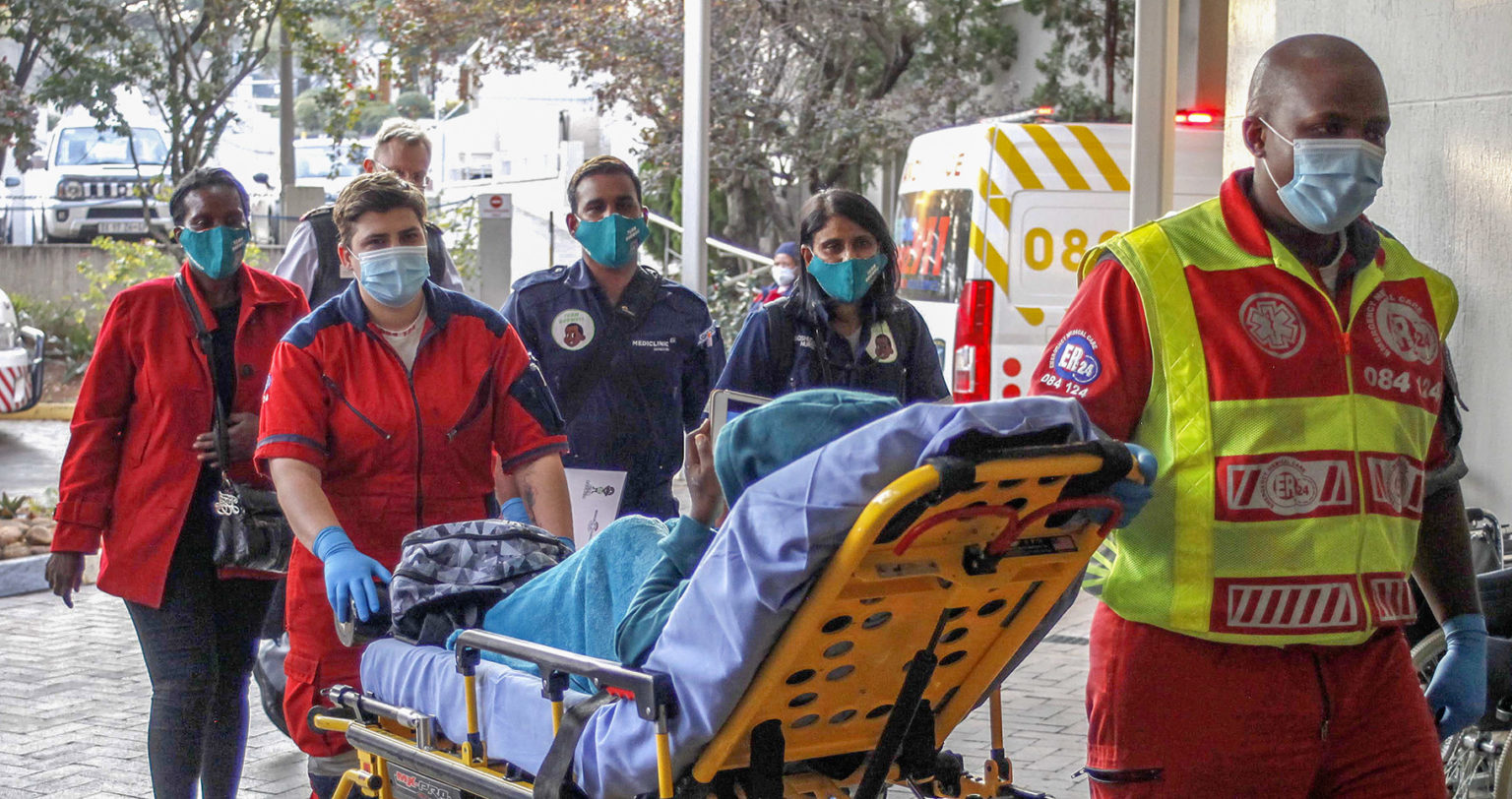
Rodwell Nkomazana, the 9-year-old boy from Zimbabwe who was mauled by a hyena, has successfully undergone surgery to reconstruct his lip.
“Saturday’s surgery went very well. We managed to reconstruct Rodwell’s upper lip using a flap from his thigh as planned,” Dr Ridwan Mia told The Bulrushes on Monday.
“He is awake now and recovering well.”
Dr. Mia is leading a team of good Samaritan doctors who have successfully completed another phase of Rodwell’s facial reconstructive surgery.
Before the procedure Dr. Mia told The Bulrushes that the reconstruction surgery would “mostly be directed towards the upper lip and cheek”.
The young boy was attacked by the wild animal as he lay asleep at an all-night gathering in Harare, Zimbabwe.
Rodwell, who was flown to SA last month, suffered multiple fractures to his face.
He lost an eye and his nose in the attack. Rodwell also has severe tissue damage from his forehead down to his lip.
Initially, costs for the surgery had been estimated at R1,5 million, but that amount has been reduced substantially.
Last week, Dr. Mia explained how the reconstruction surgery would carried out.
He said a free tissue transfer will be undertaken over an estimated period of between seven and 10 hours.
Dr. Mia said the team of plastic surgeons included Dr. Sooka, Dr. Liakos, and Sr Van Wyk.
Dr. Mia is famous for the successful 2012 skin reconstruction of a three-year-old girl, Pippie Kruger, who had suffered third-degree burns to more than 80% of her body.
Before the procedure, Dr. Mia said the surgery would replace the bulk of the upper lip.
The sulcus in front of the upper row of teeth and gums which were exposed would be recreated.
“The commissures or corners of the mouth will also be partially addressed and the lower lip will also be re-sutured in specific areas.”
Anaesthetists Dr. Mukaddam, Dr. Variawa, and Dr. Mayet managed the patient’s physiology to keep conditions optimal for the microvascular aspects of the planned surgery.
Dr. Barnard, the paediatrician, maintained the patient’s constant physiology after the procedure.