University of Pretoria (UP) researchers Dr. Mariëtte Pretorius and Professor Wanda Markotter have published a study that shows that land around important bat-inhabited caves is changing and that natural habitats are being destroyed.
Changes to natural habitats are bringing previously unencountered animal populations into contact with humans. This is especially true of bats, which are considered to be significant zoonotic transmission vectors; zoonotic diseases are illnesses that transfer from animals to humans.
The study also notes that caves and cave-dwelling bats are under-represented in conservation plans.
The researchers detailed this shortfall by observing about 50 bat roosts.
The study found an overall 4% decrease in natural woody vegetation (trees) within 5km buffer zones of all roost sites, with a 10% decrease detected at the co-roosting sites alone, Dr. Pretorius says.
As human populations grow, we are requiring more food we found that agricultural land cover increased the most, near roost sites, followed by plantations and urban land cover.
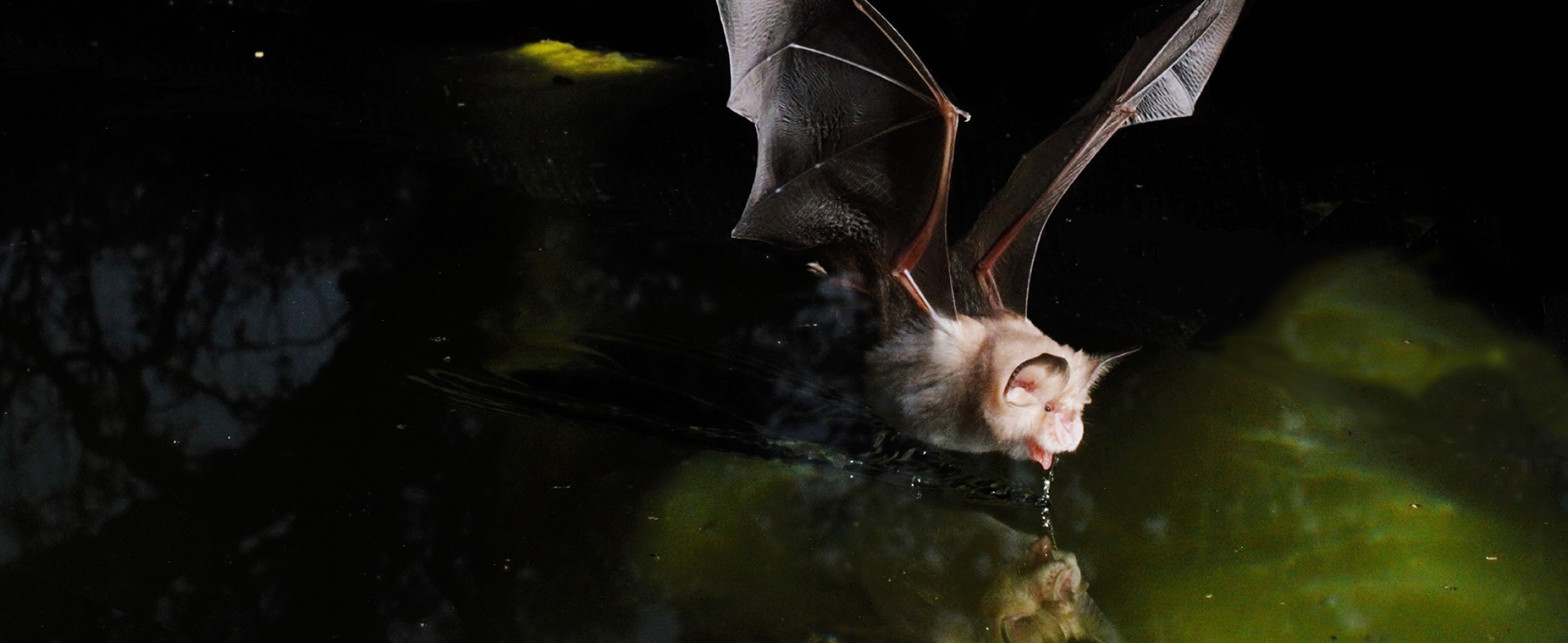
Dr. Pretorius explains that in South Africa, at least two cave-dwelling species are of interest as potential zoonotic hosts: the Natal long-fingered bat (Miniopterus natalensis) and the Egyptian fruit bat (Rousettus aegyptiacus).
This is because of their large population sizes and widespread abundance. Little information is available about the pressures that humans place on species like bats and specifically around the habitats for their roosts.
The researchers also found that the distance of habitats, where roosts were found was decreasing as urban areas expanded.
According to the South African National Biodiversity Institutes ecosystem threat status assessment, which we used in our analyses, 72% of cave roosts fall outside of well-protected ecosystems, Dr. Pretorius says.
As humans encroach on the territories of animals, we are putting ourselves at greater risks of severe pandemics because of how we are changing the use of our land.
Our study calls for the urgent and formal protection of bat-inhabited caves to safeguard both bats and humans. Bats are vital to our ecosystem as they are one of natures most effective pollinators and seed dispersers.
“They also help to keep insect populations in balance, and they help with our food security.
Professor Markotter, Head of UPs Centre for Viral Zoonoses which leads in the One Health initiative to investigate zoonotic diseases said: This study is critical in our understanding of One Health because of the interplay of three facets: the health of animals, humans and the environment.
One Health refers to the interaction and intersection of the health of humans, animals and the environment.
*This story first appeared on Research Matters, a curated content website featuring the University of Pretorias impactful and innovative research excellence.