The Mandela Day clean-up of river systems around South Africa, including drought-stricken Nelson Mandela Bay (NMB), could yet prove to be vital to future water security in the region.
The prediction was made by Coca-Cola Beverages South Africa (CCBSA) acting Head of Sustainability Ntsako Baloyi during a Clear Rivers Campaign on Mandela Day that was hosted in partnership with the Department of Water and Sanitation (DWS) and other key stakeholders.
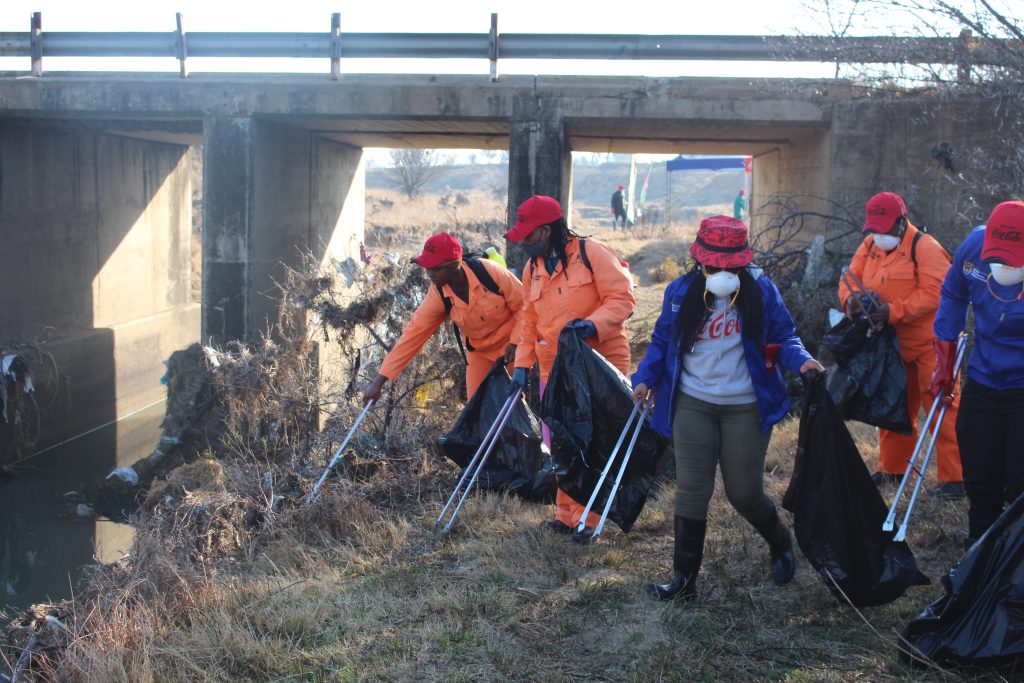
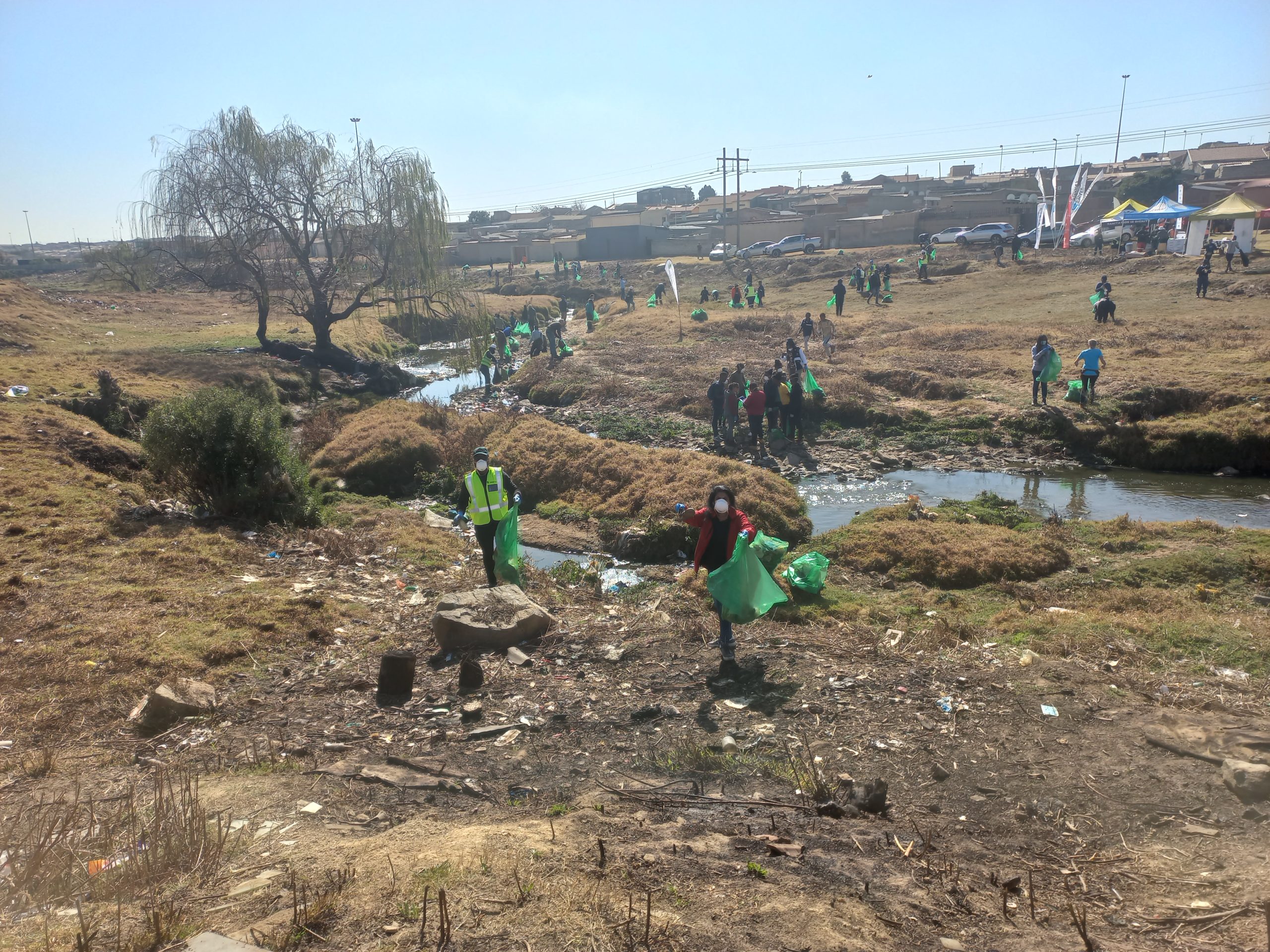
About 2 000 volunteers worked at various locations around the country to clear the rivers of waste and other hazardous material.
The volunteers managed to clear 1 300 bags of plastic waste from the various river systems.
CCBSA operates its Lakeside production facility in the NMB Metro.
The clean-up campaigns targeted several river systems including the Apies River in North West, the Kaalspruit River in Gauteng, and the Renoster River in Mangaung.
The river clean-up event in NMB was attended by President Cyril Ramaphosa and DWS Minister Senzo Mchunu.
DWS Deputy Ministers David Mahlobo and Dikeledi Magadzi attended river clean-up events in Mangaung and Moretele Municipality in North West respectively.
The Clear Rivers Campaign focuses on areas where streams or rivers situated near communities experience pollution due to illegal dumping of waste.
Clean-up activities include removal and litter picking, environmental education, and rodent and pest control awareness.
Baloyi said healthy watersheds were essential to creating balanced, sustainable, and long-term water security.
Watersheds are areas that drain or “shed” water into a body of water.
“We live in a water-stressed country, and collectively, we are working hard to stave off Day Zero in NMB, only a few short years after we faced a similar situation in Cape Town,” Baloyi said.
“Healthy watersheds are about rehabilitation, restoration, and protection of our watersheds and catchment areas to address long-term, sustainable and cost-effective water security through nature-based solutions such as clearing of waste and alien invasive species.”
Coca-Cola’s Water Stewardship Strategy 2030 is a three-pronged approach to stewardship of water including regenerative operations, healthy watersheds, and resilient communities.
Sustainable water stewardship is critical in a country such as South Africa which is one of the most water-scarce countries in the world and prone to droughts.
SA also has more than three million households without access to clean running water.
Regenerative operations are intended to reduce local water challenges by preventing water wastage, reducing the amount of water being used, and safely discharging water, as well as through reducing, reusing, recycling, and replenishing water within CCBSA operations.
Enhanced community water resilience is focused on the provision of clean access to water, sanitation, and hygiene facilities, especially for women and girls who are the most vulnerable in most of the communities in which CCBSA operates.
Healthy watersheds are about rehabilitation, restoration and protection of watersheds and catchment areas to ensure long term, sustainable and cost-effective water security through nature-based solutions such as clearing of alien invasive species and cleaning up of waste.
According to the DWS, a 2019 study by IWA Publishing, a leading global publisher of water, wastewater and environmental publications, the Kaalspruit River near Tembisa in Gauteng is a prime example of a “highly polluted” river system in South Africa.
The river ?ows through two municipalities, the City of Johannesburg and Ekurhuleni, including the Clayville industrial area and the surrounding communities of Tembisa and Ivory Park.
CCBSA has three manufacturing plants in the two municipalities.
Minister Mchunu also visited CCBSA’s Coke Ville project, an off-grid, solar-powered groundwater harvesting, and treatment programme, targeted at indigent communities experiencing water insecurity.
Launched in 2020, Coke Ville Project has generated more than 150 million litres of water and benefitted more than 15,000 households in urban and peri-urban communities across nine sites in Limpopo, Eastern Cape, Gauteng, and KwaZulu-Natal.
Twelve more systems are planned for 2022 and nine in Eastern Cape.
Nozicelo Ngcobo CCBSA’s – Public Affairs, Communications, and Sustainability Director, said safe and clean water is imperative for healthy communities and also critical to the long-term business sustainability of CCBSA.
“We are mindful that reliable access to good and safe water is essential to life, nature, and the health of our communities,” Ngcobo said.
“CCBSA is a leader in using water responsibly in our operations and giving it back.”
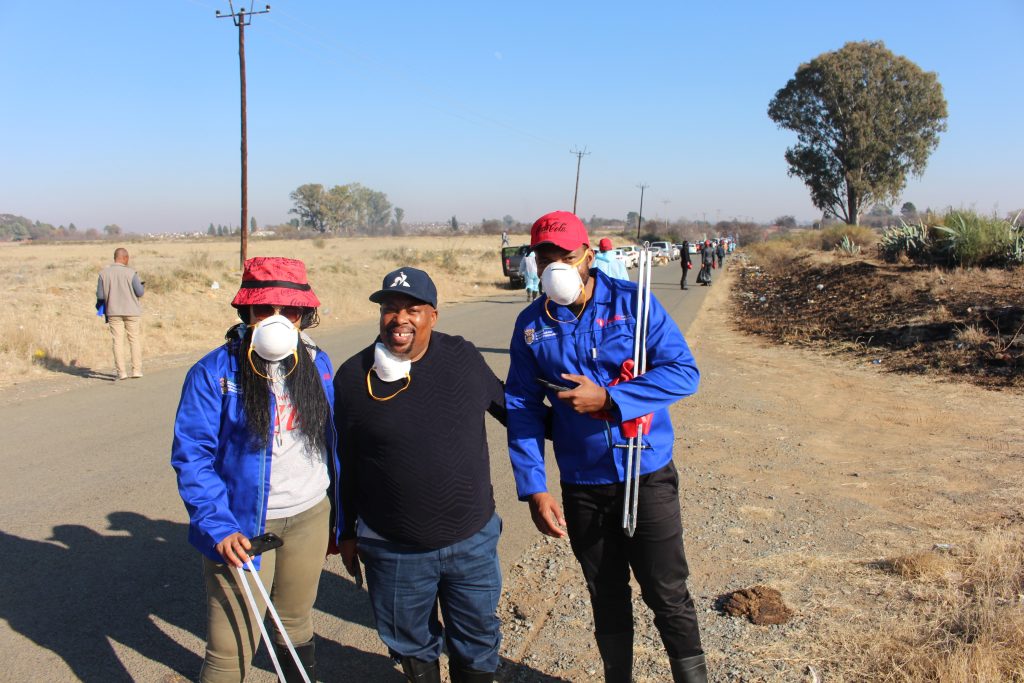
CLEAN-UP: Coca-Cola Beverages South Africa’s Pinky Lebitso (left) and Gcina Hlabisa (right) with Free State Provincial Head of Department of Water and Sanitation Dr. Tseliso Ntili during the Mandela Day Clear Rivers Campaign