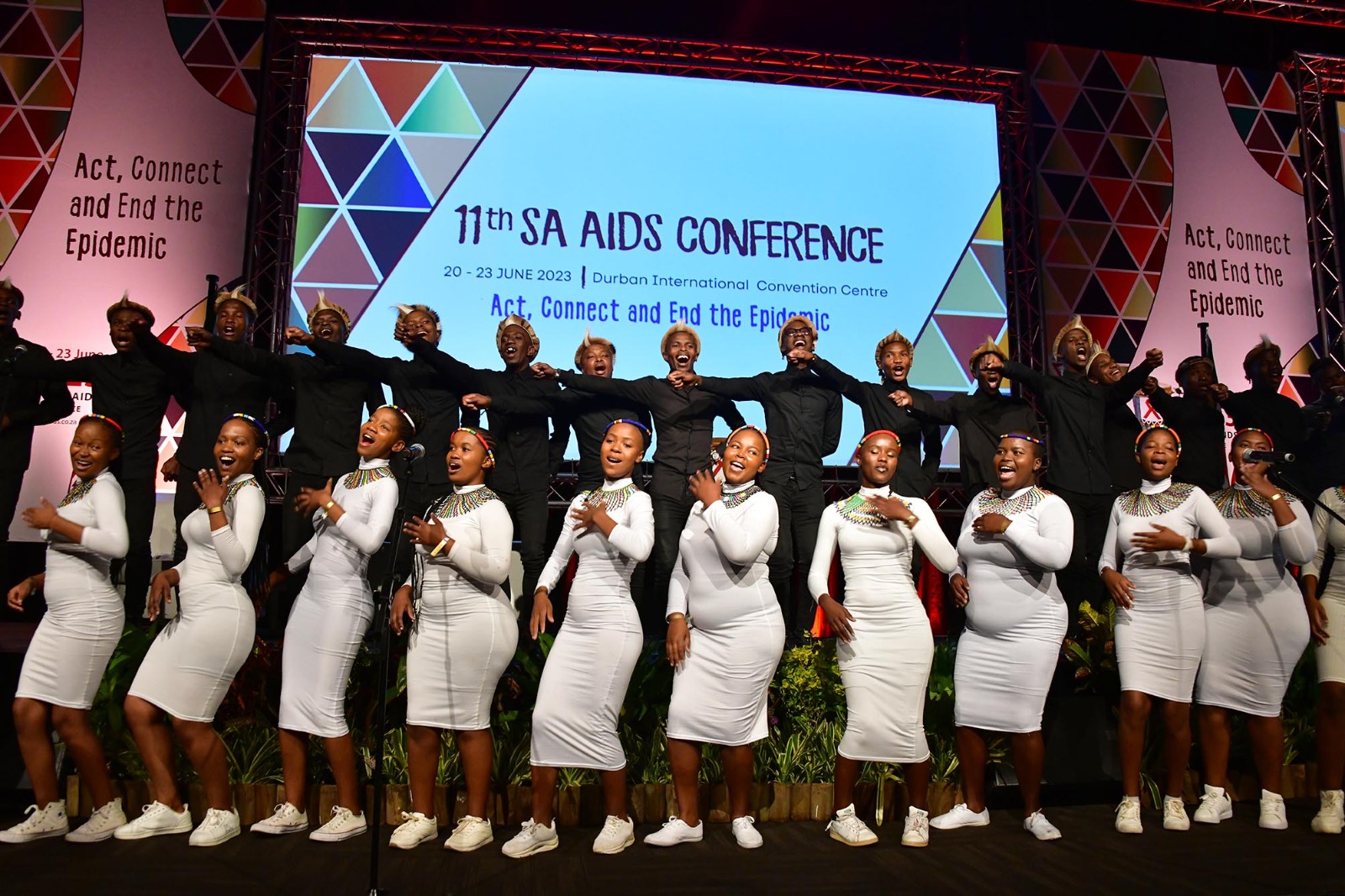
Durban – The 11th South African AIDS Conference (SAAIDS), which ended on Friday, paved the way to the next steps toward an AIDS-free generation in 2030.
Closing the three-day gathering, SA Health Minister Dr. Joe Phaahla said: “We strongly believe and are encouraged by the fact that your participation and the deliberations have paved the way to the next steps towards an AIDS-free generation in 2030 which the rapporteurs of the 7 tracks will present to you in detail later today”.
Dr. Phaahla added: “We have demonstrated this joint effort when we were confronted by the Covid-19 pandemic.
“The togetherness of purpose during the painful times of the Covid-19 pandemic has taught us the invaluable lessons that are enough to carry us as we march towards ending the epidemic in 2030.”

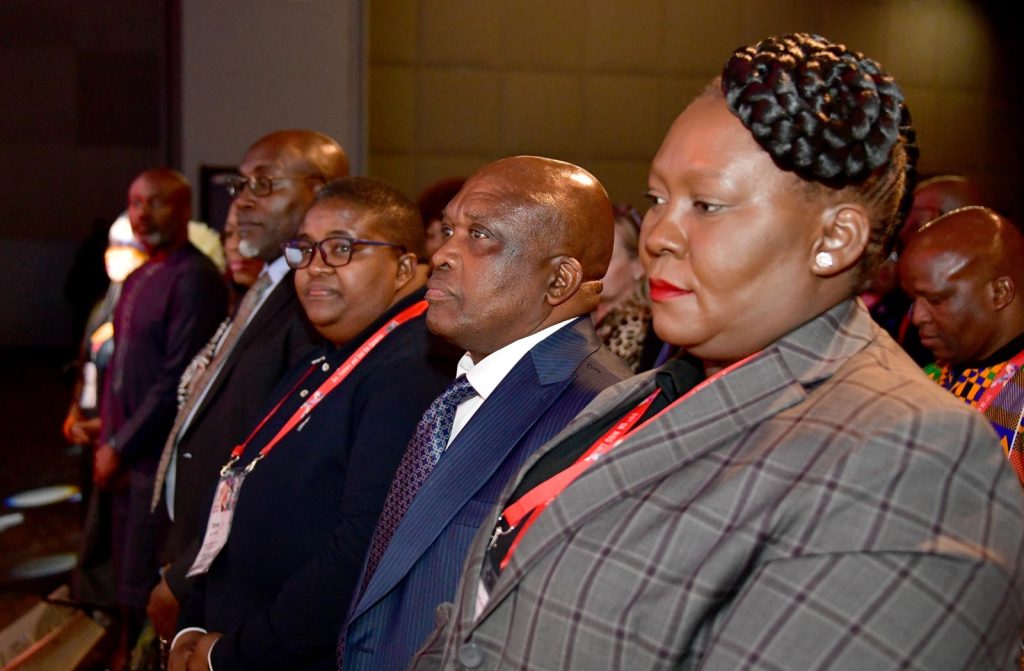
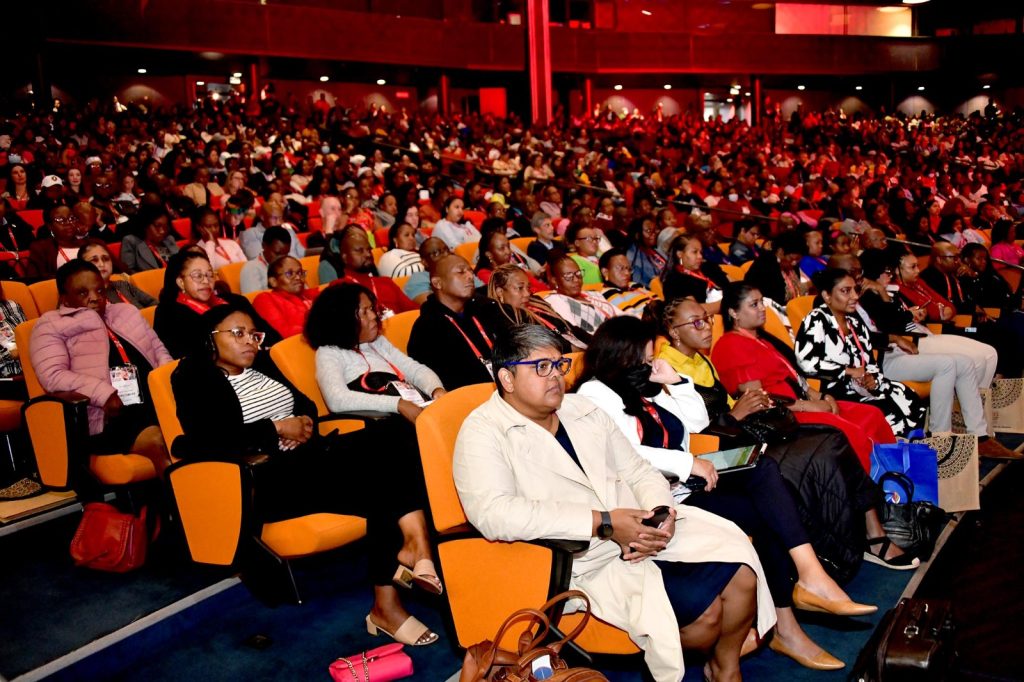

AIDS-FREE: The 11th South African AIDS Conference (SAAIDS), which ended on Friday, paved the way to the next steps toward an AIDS-free generation in 2030
The minister said the conference was held under the theme “Act, Connect, And End The Epidemic” for a good reason.
“We indeed used the opportunity to connect because we don’t want to leave anyone behind,” Dr Phaahla said.
“We must connect because each one needs another, civil society needs partners, government needs private sector, industry needs users of services.”
During the opening session, Professor Kholeka Mlisana made it very clear for the audience to understand the journey this epidemic transcended.
“‘The journey we have travelled does get reflected in the way we have adopted an integrated approach finalising our 5th generation NSP 2023-2028, especially that it includes and puts focus on communities, hence it is called the People’s NSP,” recalled the minister.
“The visibility of STIs interventions in the current NSP is a game changer, even though the rise in Syphilis is a concern, which requires our attention to reduce.
“As the conference has shown best practices, especially using data for decision making, there is a need to relook into the Syndromic Approach for optimisation.”
Dr. Phaahla said: “I listened to the professionals, starting with the scientists, who shared with us the new innovations, the ordinary community members who shared their lived experiences of living with the virus and still enduring it to this day”.
He said the highlights and feedback shared were the cornerstone and were instrumental to turning the tide and contributing towards reaching our 95 – 95 – 95 goals in the next 2 years as we eagerly await to reflect on the performance.
“While I listened to these heartwarming stories and the commitments made, I remained scared when I was reminded of the fact that there is under 10 years before 2030, but worse when I realise that the target 95-95-95 will be revised in 2025,” said the minister.
“This is what got me hot under the collar because I realised just how little time we have.
“It is for this reason that I am calling on all of us to spare no effort or energy to ensure that we reach this feat. It will not take one sector but will require our collective effort to reach it.”
Dr. Phaahla added: “Every one of us has a responsibility to make this happen. While we have reached 94- 77-92, I am certain that with renewed focus and higher speed, we should be able to reach the target of 95-95-95.
“We are going to rely on all of us to mobilise those who have fallen off our treatment to return to care because if that fails, it makes reaching the 3rd 95 a pipe dream.”