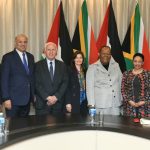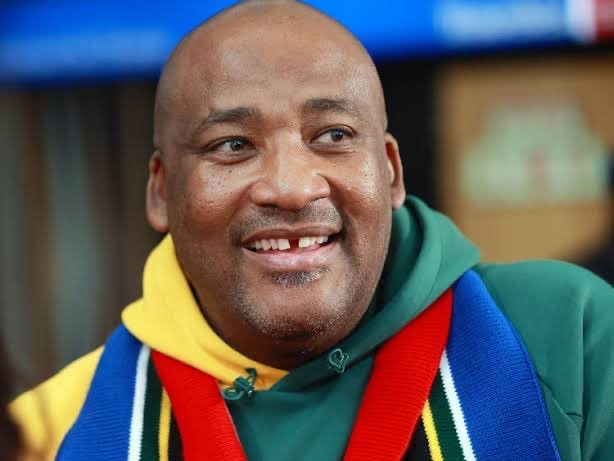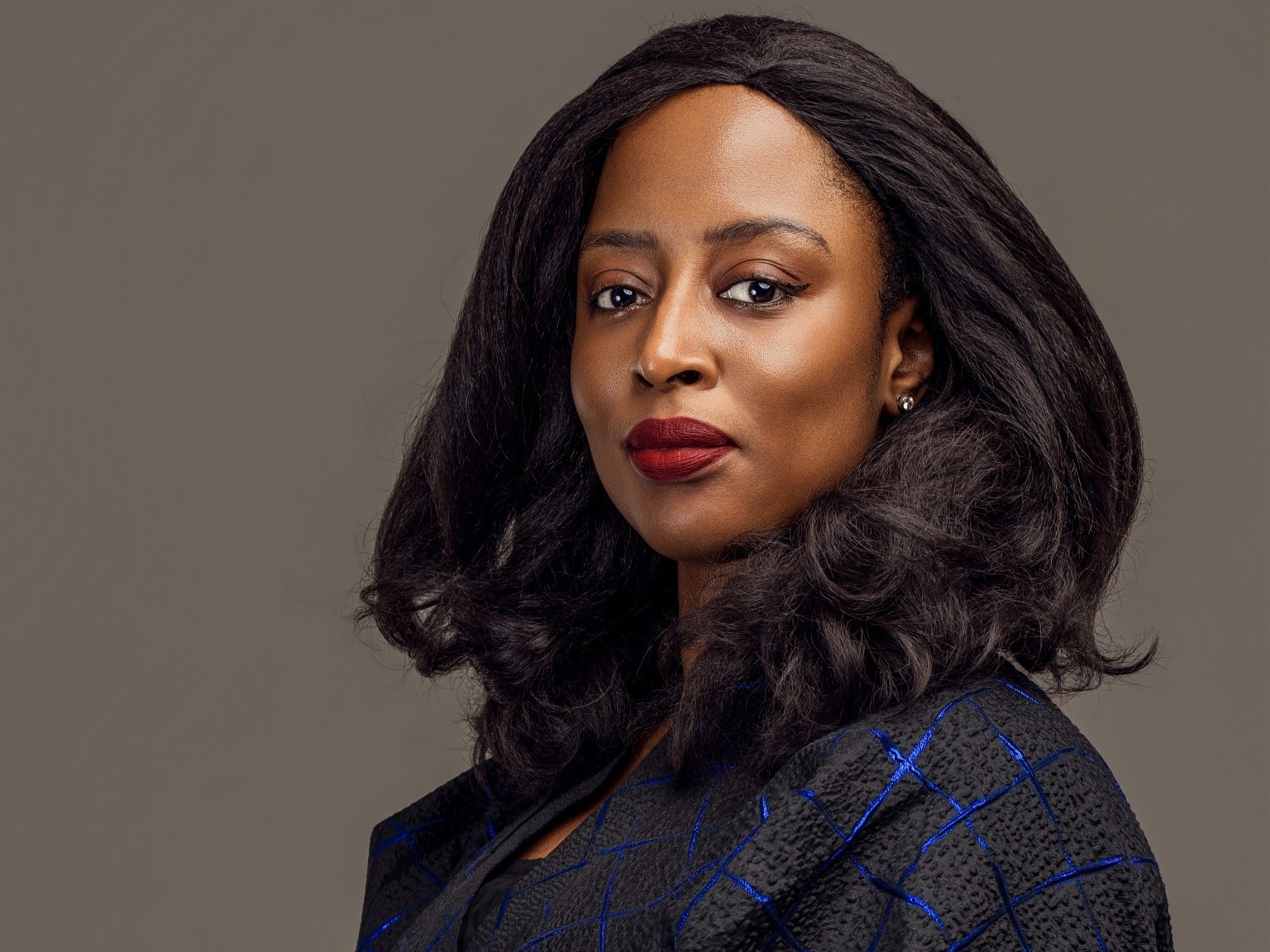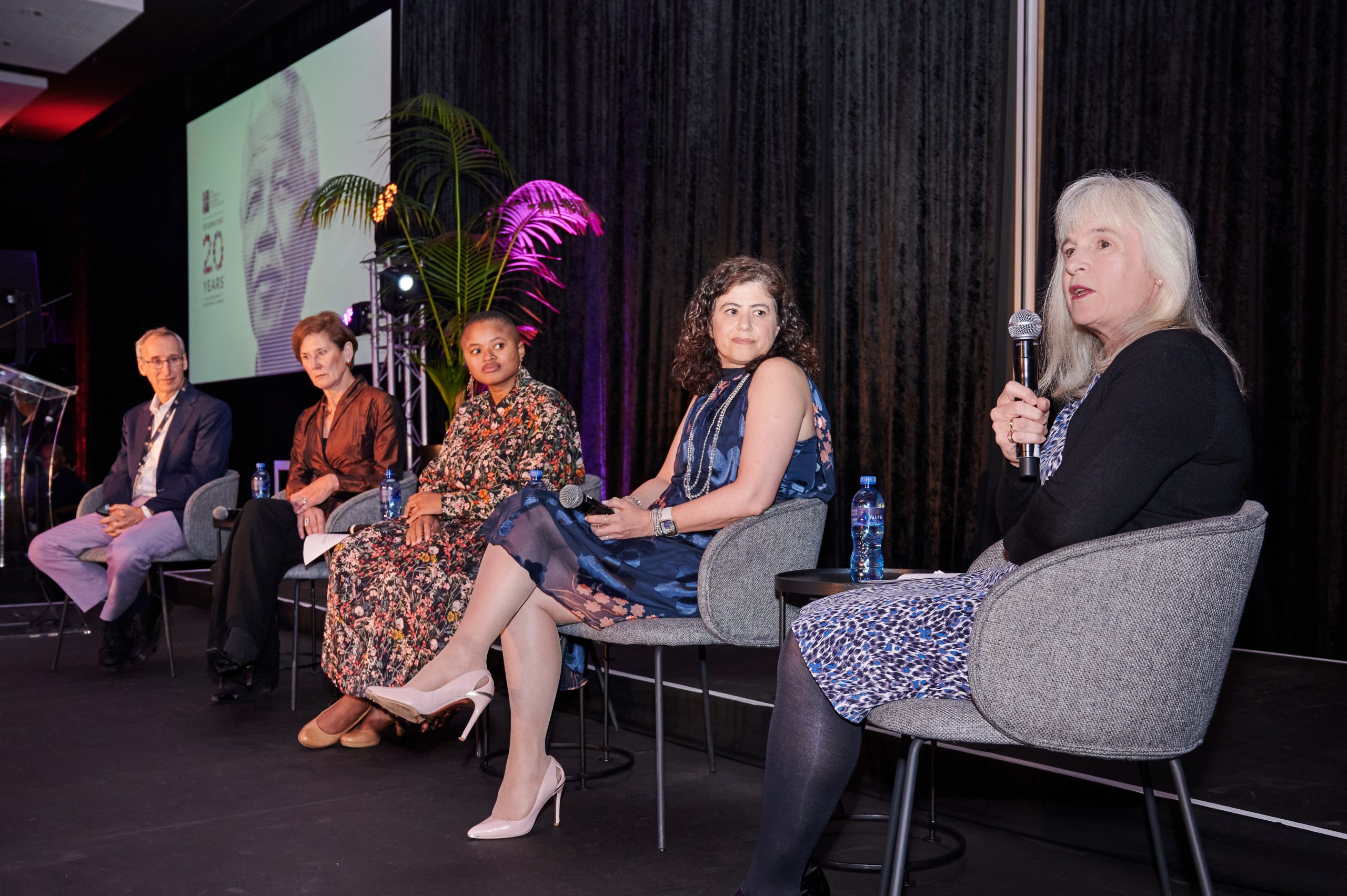
Cape Town – The Mandela Rhodes Foundation celebrated 20 years of creating future leaders at the weekend in Cape Town – ahead of Mandela Day, (18 July 2023).
The milestone takes place on the 10th anniversary of the passing of its founding patron, former president Nelson Mandela.
Mandela Rhodes Foundation CEO Judy Sikuza announced on Saturday that the entity raised $14 million out of its $20 million target.
The fundraising campaign intends to secure sustainable resources to grow the Foundations reach and impact across the African continent.
The festivities culminated in a gala celebration featuring a special performance by the Ndlovu Youth Choir on Saturday, (15 July 2023). The choir lifted the spirits of the 400 guests and had the crowd on its feet in moments.
The performance was followed by a conversation highlighting “The Courage to be Unpopular: Leadership in Complex Times“, featuring MRF trustee Janet Jabiru, Director of the Leverhulme Trust, Professor Anna Vignoles, Mozisha Founder, Dr. Kenechukwu Ikebuaku and author Pie-Pacifique Kabalira-Uwase.
The discussion was moderated by Sikuza.
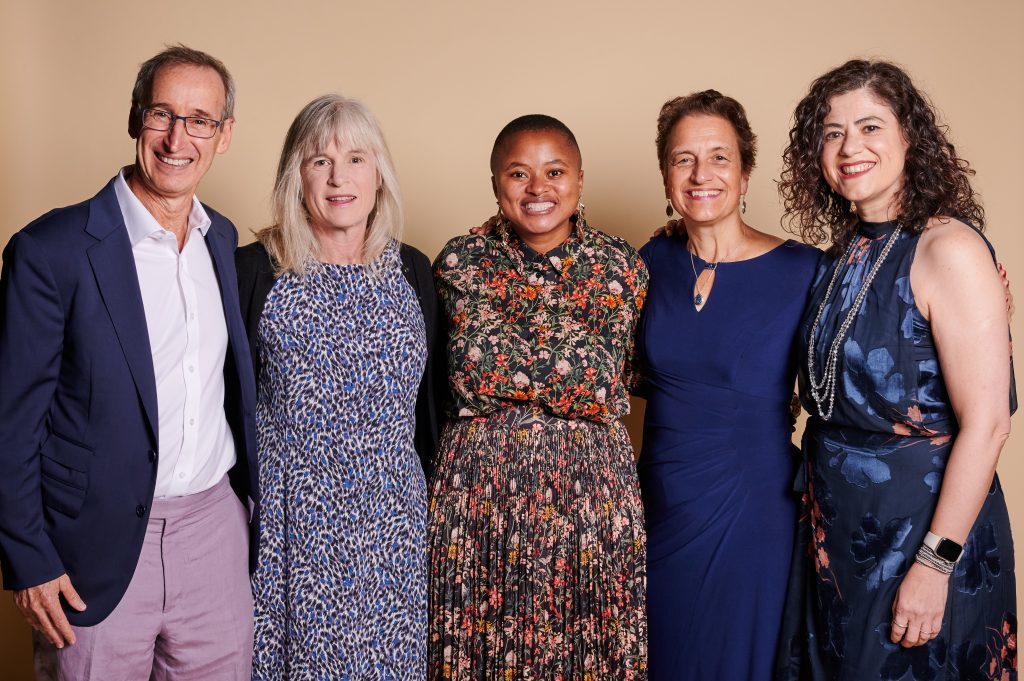
The speakers shared the art of making difficult, unpopular decisions as leaders, highlighting the relevance of Nelson Mandelas leadership legacy in the 21st century.
We are tremendously proud of everything we have been able to achieve in Madibas name over the past 20 years,” said Sikuza.
“We continue to be inspired by our mission of developing leaders for Africa, and we thank everyone who has made it possible.
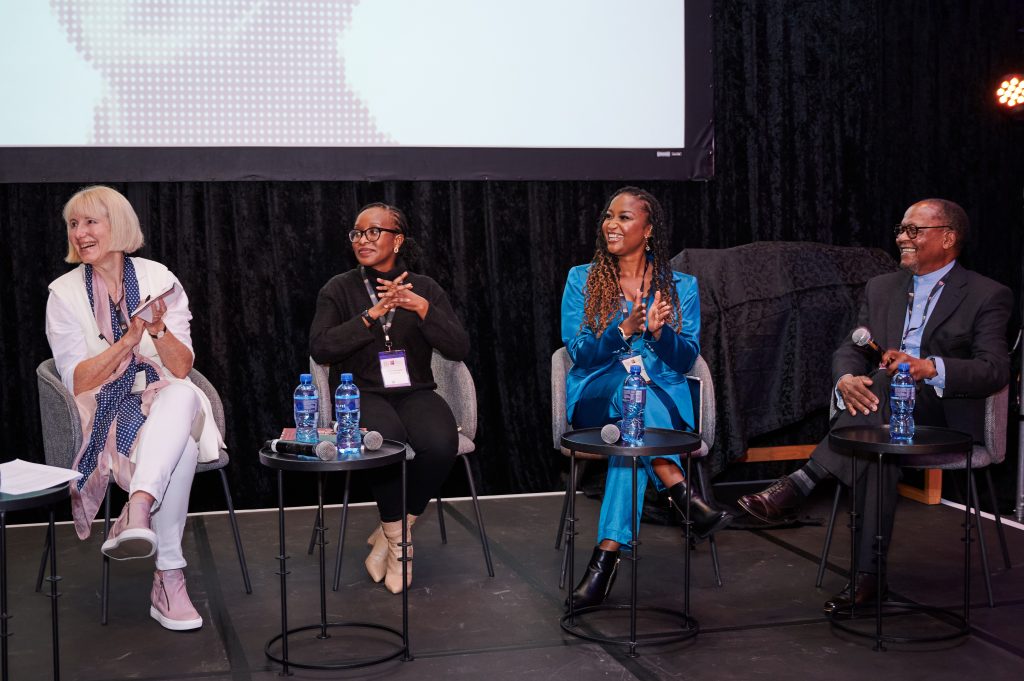
Professor Njabulo Ndebele, Chairman of the Board of Trustees of the MRF, has been a trustee since the MRF was established in 2003.
He added, The Mandela Rhodes Foundation has exceeded our early expectations. 20 years later, the seeds planted have grown and flowered, as our scholars have progressed into impactful careers in all sectors.
“We thank all our supporters and particularly our main donors: the Leverhulme Trust, David Cohen, Oxford University Press, and our anchor donor the McCall MacBain Foundation, who have contributed to the success of the next 20 years.
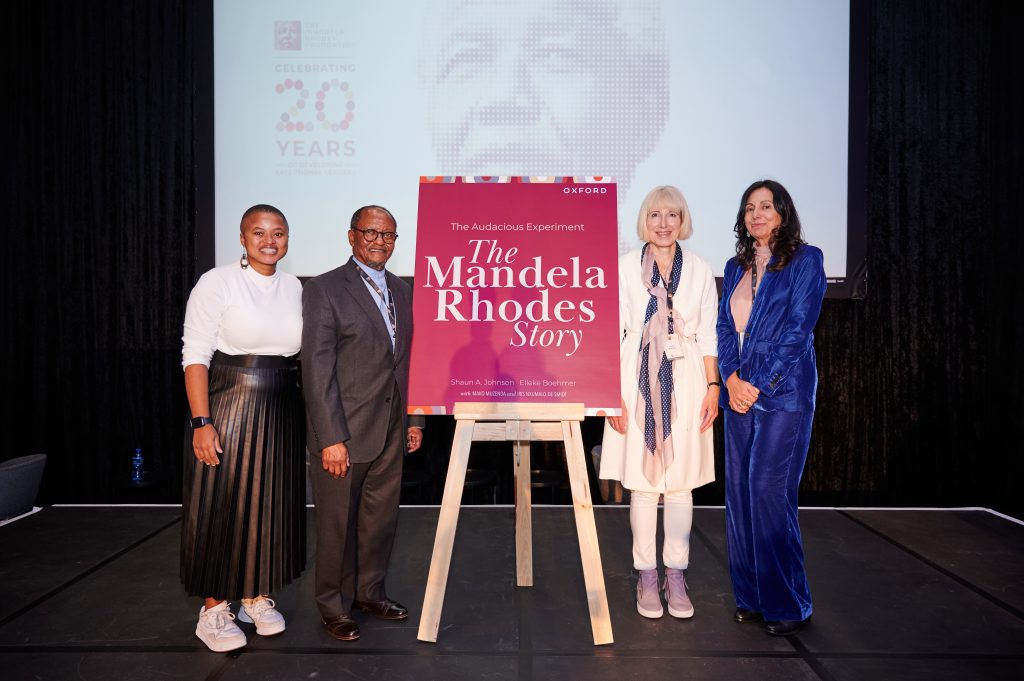
On Friday the Foundation launched The Audacious Experiment: The Mandela Rhodes Story.
The book tells the founding story of the organisation and reveals the reasons for Nelson Mandelas agreement to the unlikely partnership.
It was begun by the late Shaun Johnson, founding CEO of the Foundation, and completed by esteemed novelist and academic, Professor Elleke Boehmer.
She was assisted by Iris Nxumalo-de Smidt, and Mako Muzenda, who are both Mandela Rhodes Scholars. Oxford University Press South Africa, a major partner of the MRF sponsored the production of the book.
Sikuza said the celebrations were also an opportunity for all stakeholders to discuss and plan for the future and look ahead to the next decade of the foundation, with the goal of driving positive change in all 55 African nations.
One of the challenges facing the African continent is the exodus of skilled, educated young people seeking more opportunities abroad.
The MRF was specifically mandated by Mandela to develop leaders for the African continent.
This is a complex issue and there is no single solution, Sikuza said.
“‘As an organisation working in the development of leaders, something that might make a difference is prioritising getting the right young people into leadership positions across sectors, who can drive change in those environments and make them more attractive for their peers to work in and stay on the continent.
The Mandela Rhodes Foundation has built a reputation for finding and nurturing leaders that are competent, courageous, innovative, and ethical.
This is the combination of traits required to be a leader who can drive transformative change. So, if we can get young people with these qualities not only Mandela Rhodes Scholars to be in positions where they can be effective, that would be a positive step in reducing brain drain, Sikuza said.
These are all qualities that were present in Mandelas life. Sikuza said other qualities that the founding patron embodied were inner strength, self-knowledge, and courage.
With these qualities, the leaders of tomorrow will be able to face the binary thinking that increasingly shapes todays polarised world.
There is not a lot of space for friendship, collaboration, or co-creation with those that hold vastly different views from ourselves,” Sikuza said.
“This is true across many different debates.
“Nelson Mandela was able to hold opposites together, bringing sworn enemies together to negotiate South Africas political transition, and this skill of being able to navigate complexity is vital for leaders today.