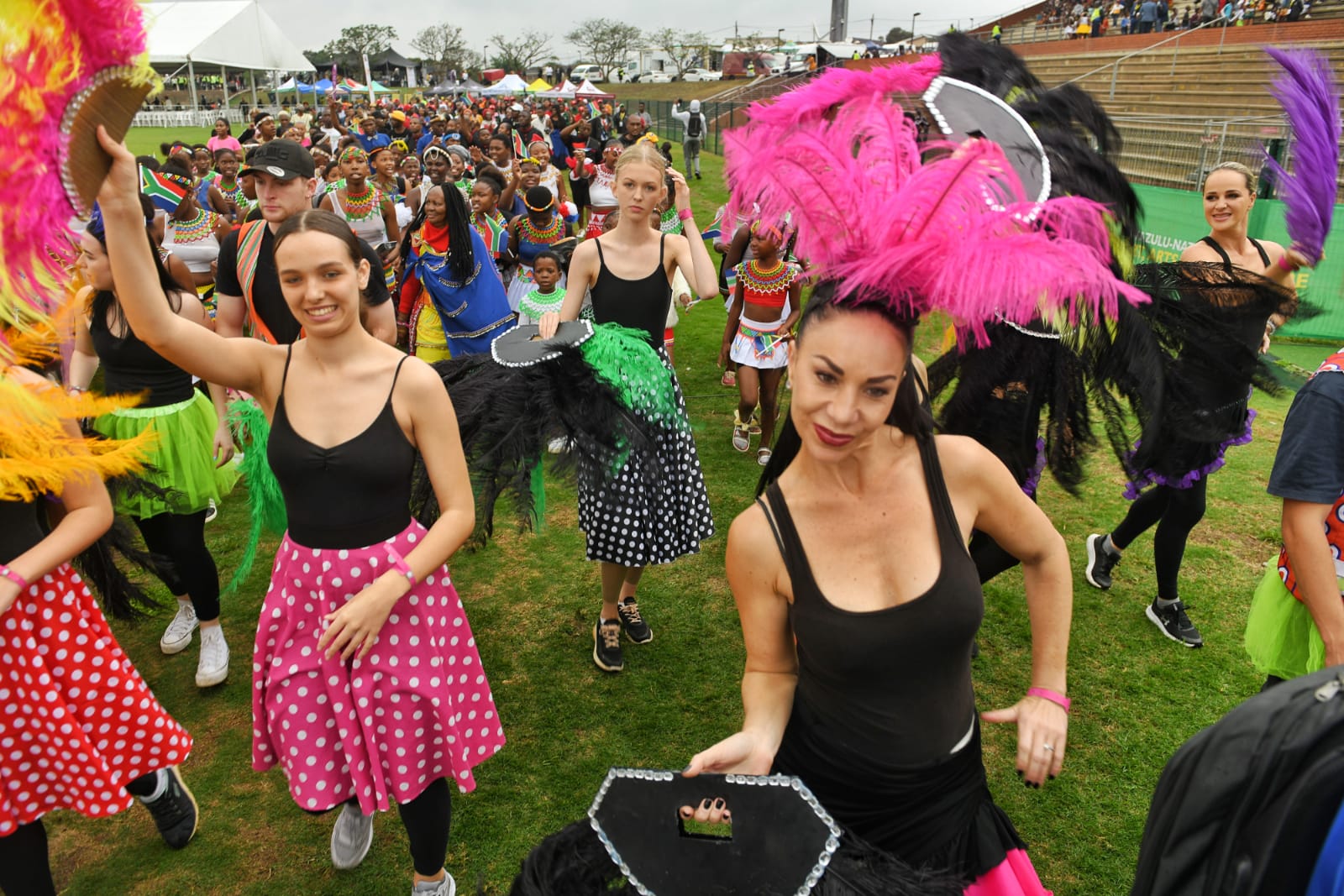
Durban – Deputy President Shipokosa Paulus “Paul” Mashatile on Sunday led Heritage Celebrations at Princess Magogo Stadium in KwaMashu, where he also announced the launch of the indigenous games.
“Today’s celebrations take place under the theme; ‘Celebrating our cultural diversity in a democratic South Africa’ an important theme that tasks us to reflect on our democratic journey, and also embrace the complexities that come with nation-building and social cohesion in the context of our past, present and future,” Deputy President Mashatile said.
“I am encouraged by the presence of South Africans from all nine provinces of our country.
“We are here to acknowledge and celebrate South Africa’s diverse heritage, which is being showcased and highlighted throughout September.”
Among the dignitaries present were Sport, Arts and Culture Minister Goodenough Zizi Kodwa, Sports, Arts and Culture, MEC UBab uMahlaba,
KZN Premier Mama Nomsa Dube-Ncube, Deputy Mayor of eThekwini Metropolitan Municipality Councillor Zandile
Myeni, and members of the diplomatic community.
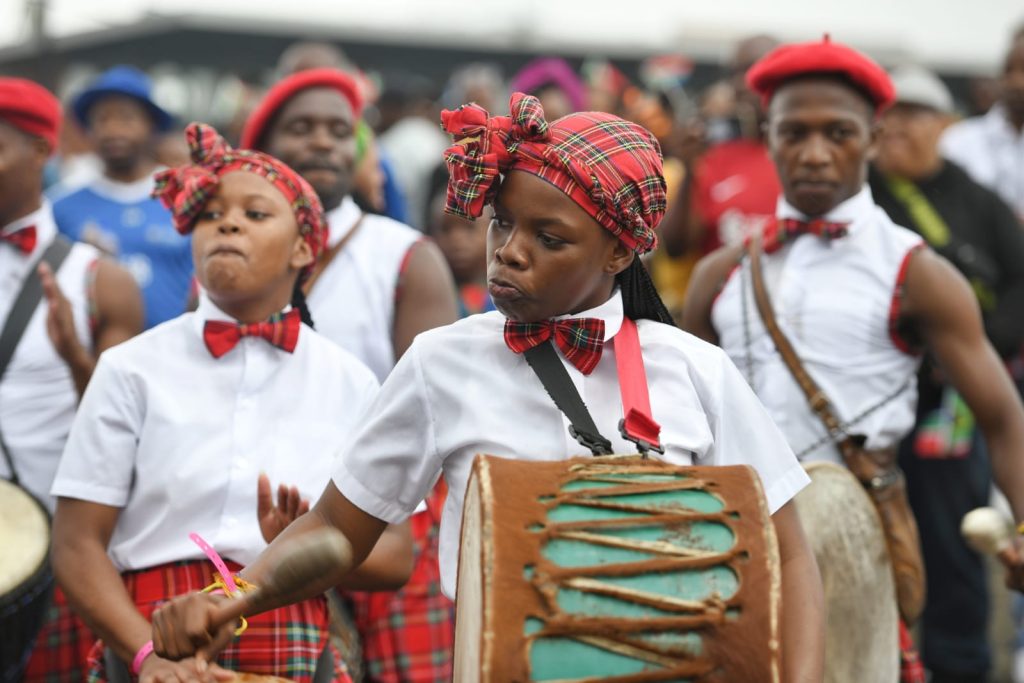
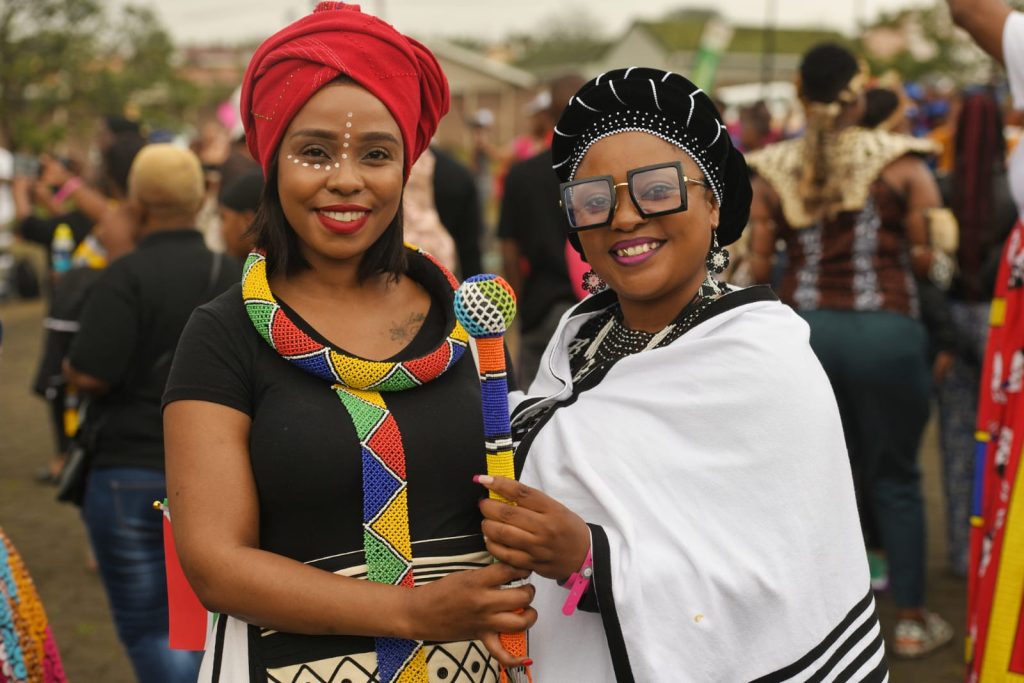
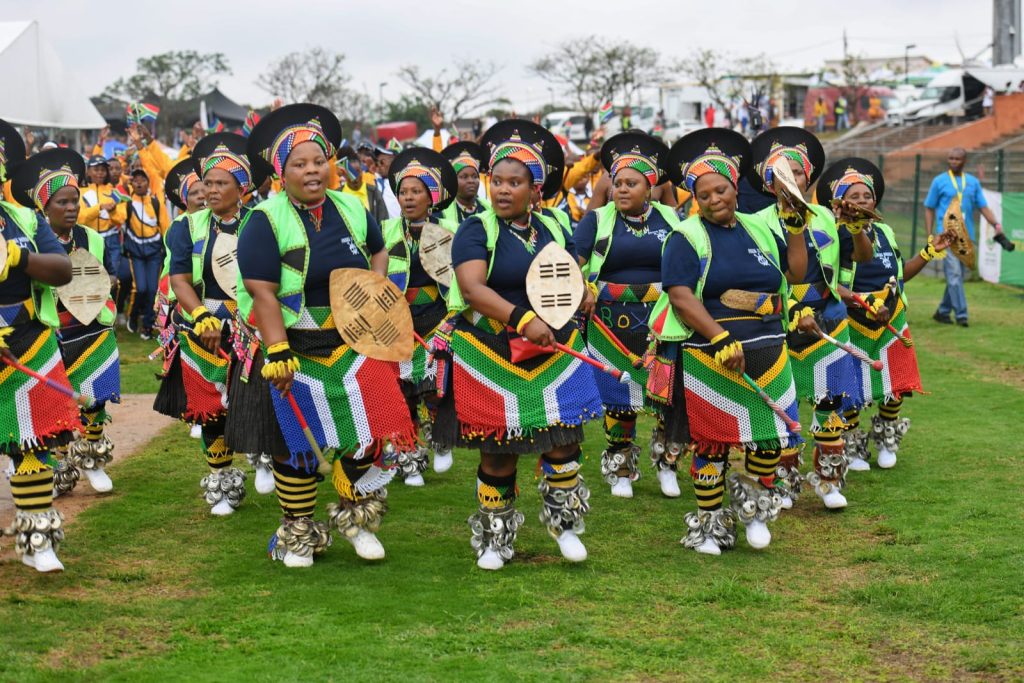
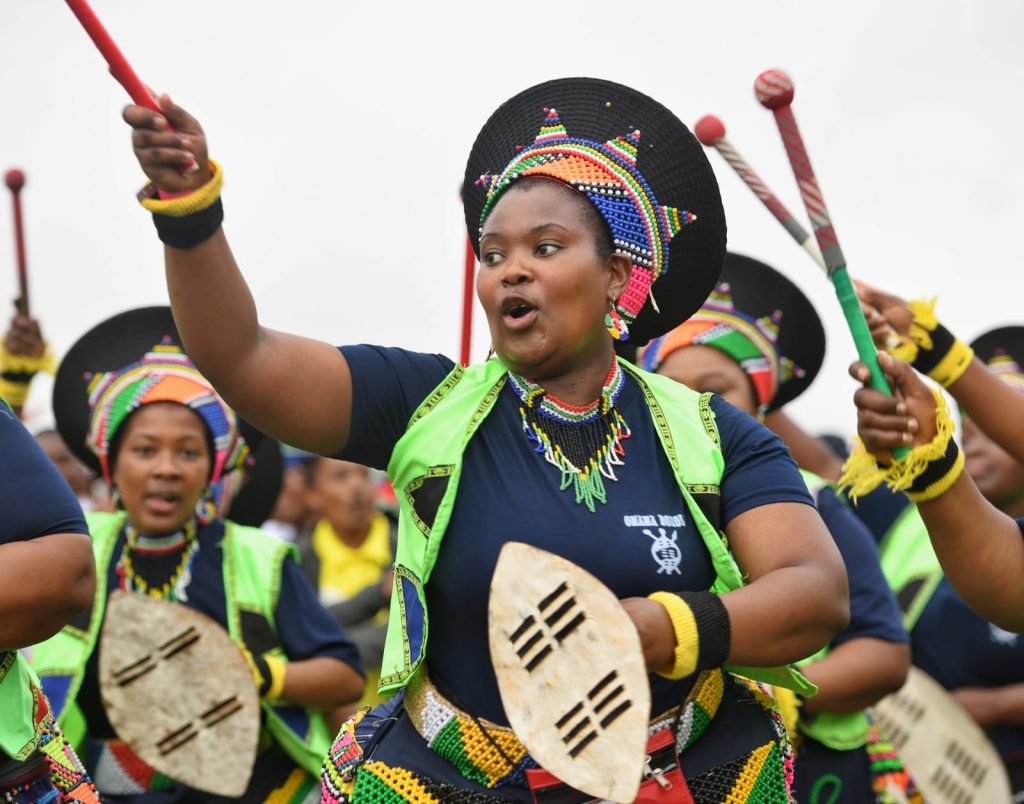
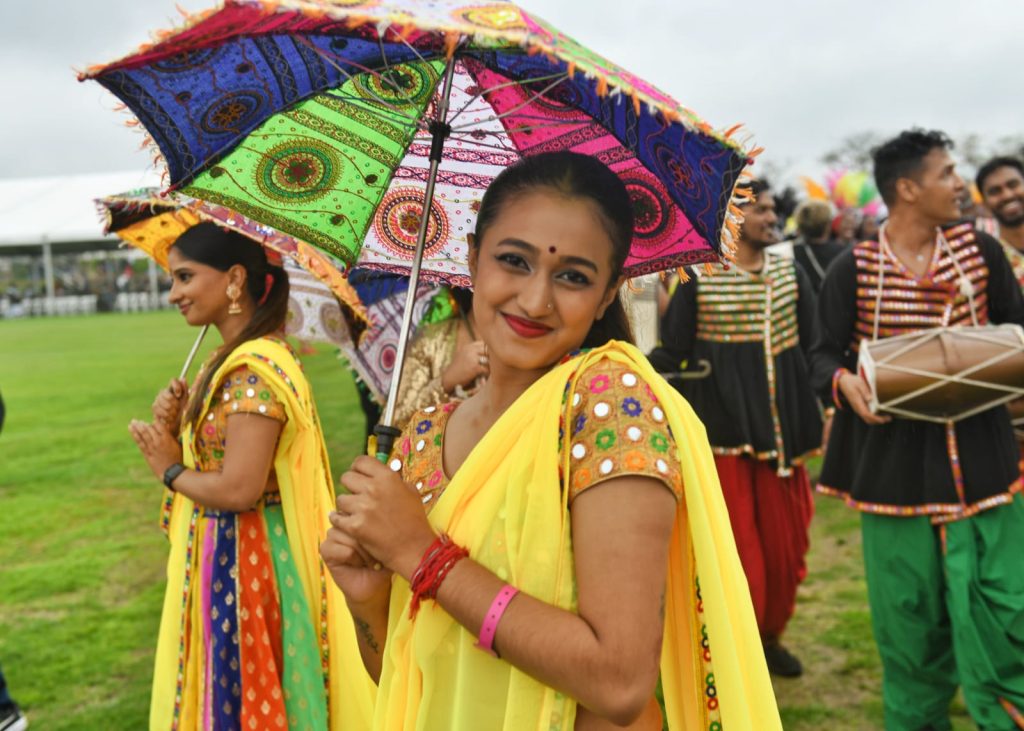
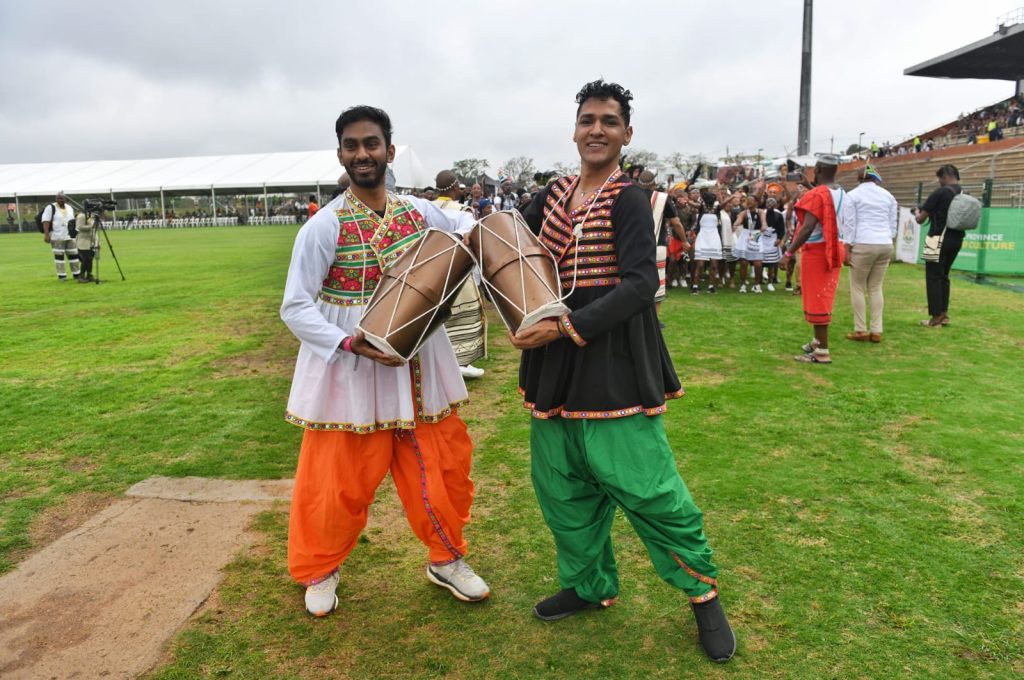

“Heritage Month holds immense cultural significance in South Africa, as it provides a platform for communities to celebrate and display their unique traditions, customs, and languages,” the deputy president said.
“This celebration of cultural diversity not only strengthens the identities of various communities but also helps preserve and promote their heritage for future generations.
“It provides an opportunity for our people to reconnect with their roots, honour their ancestors, and pass on important cultural practices and values.”
Deputy President Mashatile said Heritage Month serves as a reminder of the resilience and strength of the South African people.
He said it is a month of celebration and reflection where people come together to appreciate the rich tapestry of cultures that make up South Africa.
“Heritage Month helps us to recognise the importance of our cultural diversity in shaping our national identity and fostering a sense of unity and belonging among all citizens,” said the deputy president.
“It reinforces the idea that we are stronger together and urges us to continue working towards a more inclusive and equitable society.
“In light of this pursuit for an inclusive and equitable society, allow me to share some of the sectoral advancements made by the democratic government which include; the implementation of a range of measures to build social cohesion – increasingly introducing indigenous languages in public schools, with over 2 400 targeted in this term of government.”
This aims to foster a greater understanding of different cultures between learners and break down cultural barriers.
During this administration, sports has also been used as a vehicle to foster cohesion, peaceful coexistence, and mutual solidarity in our communities, 4 732 schools, hubs, and clubs have been provided with equipment and attires, recording 332 053 people actively participating in sport and active recreation events arranged by the national and provincial departments.
Despite the odds, several advances have been made regarding the inclusion and support of women in sports, the key to this being the support for their demands for equal pay for work of equal value.
Additionally, in addressing issues that affect women in SA, especially in the area of Gender-Based Violence and Femicide (GBVF), the deputy president said the government adopted a national strategic plan to tackle these pressing issues.
The response of the criminal justice system to GBVF has been strengthened and the support provided to survivors through legislative reform is improving, places of safety have increased as well as other other mechanisms.
“Regarding issues of the economy, we are cognisant of the impact that Covid-19 has had on people’s livelihoods including those of artists in our country,” said Deputy President Mashatile.
Some of the interventions that have been made since the advent of the pandemic include:
- The Temporary Employment Relief Scheme provided wage subsidies to 5.7 million workers, minimising the impact of job losses and company closures.
- The R350 Social Relief of Distress Grant, benefitting nearly 10 million unemployed people, mainly young people and women.
“With the current difficult economic times, we will continue to cushion those needing continued assistance and are prioritising the improvement of the avenues that South Africans depend on to access support from the government,” Deputy President Mashatile said.
Since its establishment, the Presidential Employment Stimulus has benefited more than 1.2 million people, especially women and youth.
This is in addition to other public employment programmes such as the Community Works Programme and the Expanded Public Works Programme.
The deputy president said all these interventions, and others, were aimed at building a nation that is not only socially integrated but a nation whose people are economically liberated and able to sustain their livelihoods and contribute to the vision of an equal and prosperous South Africa.
Such a nation however can only be built by government, communities, the private sector and other stakeholders working together.
“I therefore call upon on all South Africans to not only embrace our culture, heritage and indigenous knowledge but to also safeguard the interests of the kind of future that we aspire for – a future rooted in democracy, social cohesion, economic prosperity and enhanced unity in our diversity,” said Deputy President Mashatile.
“As we conclude the formalities of this occasion, I invite you to celebrate with us in launching the indigenous games festival where we showcase the best of our indigenous games from all our South African cultures.
“This festival being an example of the kind of initiatives that the Department of Arts and Culture prioritises towards its strategic objectives aimed at the preservation of our culture and heritage.
“These indigenous games are taking place at Hoy Park, where we are also having the Beautiful Things Craft Exhibition from the 24th – 29th of September.
“As the South African government, we are encouraged by the support that we continue to receive from Traditional Authorities in our country, and I am happy that His Majesty the King has shown support for this festival.”