Melbourne – The Thembekile Mandela Foundation and the Diplomatic Informer Magazine SA have concluded their cultural diplomacy trip to Australia.
Cultural diplomacy is all about building bridges, fostering mutual understanding, narrowing cultural gaps, and creating stronger ties between countries through the shared celebration of our diverse cultures, explained Susan Novela, COO and Executive Board Member of Thembekile Mandela Foundation.
Novela is also the editor-in-chief of the Diplomatic Informer Magazine SA.
“The focus was on uniting tribes,” said Ndileka Mandela, the Founder and Chief Executive Officer of the Thembekile Mandela Foundation, said on Friday.
“We had the privilege of meeting the representatives from different tribal groups across Australia and engaging with the elders of the original people of Australia.
“It was a valuable opportunity to learn about the Aboriginal perspective on diversity, culture, and experiences.”
The trip to Australia coincided with 26 January 1788, which marked the proclamation of British sovereignty over the Eastern seaboard of Australia.
“However, it’s essential to acknowledge that January 26 has varied meanings and perspectives for all Australians,” explained Ndileka Mandela.
“For many First Nations people, this day is recognised as Invasion Day.”
From this day in 1788 onwards, First Nations people endured massacres, land theft, stolen children, and widespread oppression at the hands of colonising forces.
“This day serves as a celebration of the strengths of Aboriginal and Torres Strait Islander cultures, practices, contributions, talents, and peoples,” Ndileka Mandela said.
“It also recognises their survival from past extermination and assimilation practices, including the survival of the stolen generation, emphasising our pride and strength as a people.”
On Friday thousands of protesters marked Australia’s national day with “Invasion Day” rallies in support of the country’s Indigenous community, many of whom want to drop celebrations or move the date.
The Thembekile Mandela Foundation was visiting Australia at the invitation of the Nyangbul Nation in conjunction with the United Tribal Countries.
The foundation was invited to attend a ceremony in the Jagun, where they met tribal elders and chiefs and other visiting Nations Heads of State.
Nyangul Nation tribe is in ancient Patum and thus also within the United Tribal countries.
“We are the original bloodline descendants and crown in right of the Independent self-governing countries Tibnla of Majagi, Nyamal Widagura Putalyirri, Narrunga/ Ngarrindjerri/ Kaurna/ Noongar, Jagalingou, Nyangbul, Yanggu, Waa-Wurrung, and Palawa South East tribe on the terrain commonly known as Terra Australia,” said Jaarbarun Nyangbul of the Nyangbul Nation.
“The original (indigenous) Custodial Tribal Suverains and Sovereign Nationals have claimed our unalienable God-given rights and privileges to self-determination, cultural, social, political, judicial and religious freedoms.”
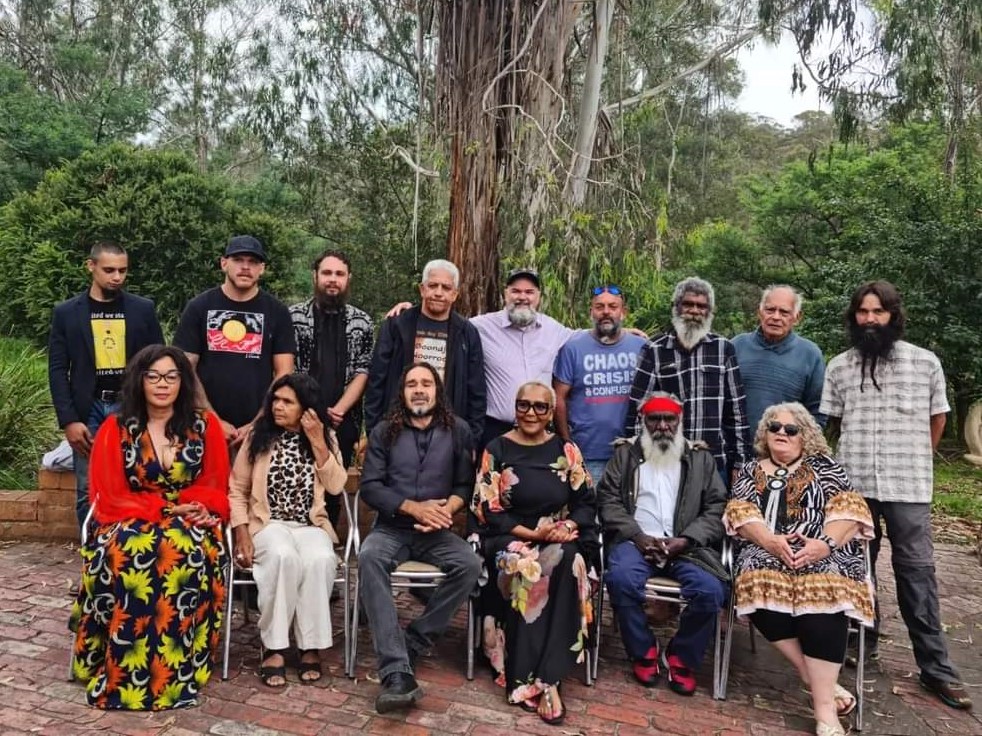
The Custodial Tribal Council includes Juma of the Larrakia, Kantjil of the Brinkin – Tribe Original Crown of Brikin (TIBNLA), Uluki-Creation of the Waa-Wurrung – King Bilby of Waa-Wurrun and Putalyirri of the Nyamal – Co-head of state, sanctioned the Thembekile Mandela Foundation visit.
Explaining their connectedness, the Custodial Tribal Council said: “The ancient Songlines that traverse across this continent are linked to the ancient Songlines that cover the Earth.
“Songlines that have connected our ancestors with all ancient ancestors of the Earth.
“We are all connected through our GrandMothers. As we reunite these sacred songs of love peace and harmony.”