When it comes to public events, everything does not always run smoothly.
No matter how well planned and executed, a public event can be easily derailed by bad weather, negligence, breach of contract, or a host of other factors that may be beyond the control of the event organiser.
Even mega-celebrities are not immune to suffering glitches during their live performance.
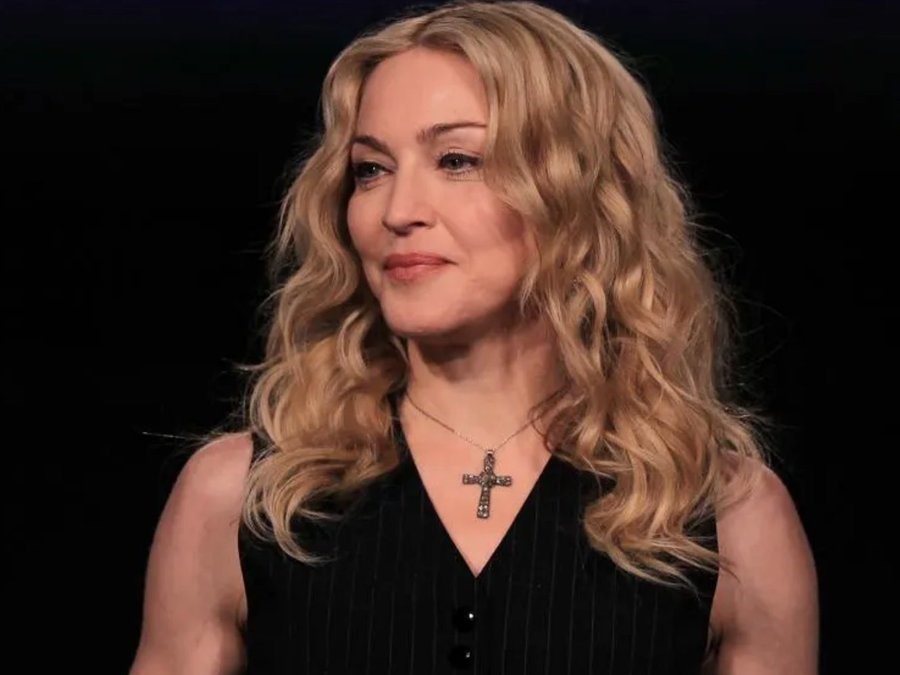
Pop icon Madonna was recently forced to start one of her shows late due to a technical issue during soundcheck.
While a late start could understandably irk fans, the two-hour delay to the show in Brooklyn, New York, in December, saw two irate fans instituting a class action lawsuit against the singer and concert organisers.
“Whether the lawsuit succeeds or not is a legal question that will be answered in court. However, if it does succeed, the event’s organisers will not be covered by their event liability insurance policy,” says Melita Thurling, Head of Liability and Special Risks, at iTOO Special Risks.
“To succeed with this type of lawsuit, the plaintiffs would have to show that they suffered some sort of loss or harm,” says Thurling.
“The lawsuit against Madonna essentially claims breach of contract, because the concert was deceptively advertised, citing New York state’s Business Law 149.”
Thurling explains that while there is no negligence apportionable to Madonna in this context, there is, however, a potential contractual obligation on her to meet the contracted requirements of putting on her performance, at the time advertised, allowing her audience to arrange their lives around the advertised time, date and venue.
This is also the reason for citing the venue and concert promotor in the class action suit.
“However, even if the court finds that there was a breach of contract, can the plaintiffs show that they suffered a loss as a result?
And even if there is a loss or liability, this does not necessarily mean that an events insurance policy will step in to protect the insured and cover it.
In this instance, the performer may be liable in their own right without the protection of an insurance policy, which essentially covers property damage and bodily injury” says Thurling.
While event liability insurance would not respond to this type of liability, event liability insurance coverage is a safety net and is no longer a nice to have, but rather an absolute must-have and is, in fact, a legal requirement.
Event organisers and the public should therefore be aware of what this type of insurance policy covers.
“Most businesses and organisations have insurance for their regular day-to-day activities,” says Thurling.
“However, event-specific insurance takes care of the risk specific to an event.
“It takes into account the event activities which may be quite different, the concentration of people in one place and the short duration of an event.”
The Safety at Sports and Recreational Events Act 2 of 2010, puts event planners, conference organisers, and business owners in the firing line for event liability.
Event liability cover:
- Incorporates public liability, product liability, and employers’ liability
- Excludes: cancellation of event, dangerous activities, fines and penalties, contractual breach (unless liability would have occurred outside of the contract anyway) pure financial loss where there is no injury or physical damage to property
Some of the benefits include:
- Bodily Injury that includes nervous shock and mental anguish
- Food and drink are automatically included and not sub-limited
- Protection of the insured (event planners, conference organisers, and business owners) against their legal liability for claims arising from bodily injury or property damage to third parties as a result of the insured’s actions during the insured event
- Underwriting factors and approach take into account the nature of the event, the number of delegates/spectators/participants, location, and duration.
So, in the Madonna lawsuit, the inconvenience or additional costs incurred as a result of the late start would not be covered, as it is a pure financial loss.
Meaning that the loss is not triggered by physical harm, damage or bodily injury and the consequences of these.
The event liability cover is there for losses stemming from the collapse of stands, seating, or a marquee or a tent, a lack of crowd control, a lack of proper security, and other harmful conditions causing injury or damage.
“Insurance policies are very physical harm-based, and there is little consideration of brand, reputation, and time.
As insurers, perhaps we need to start thinking about the relevance of policies as they move into covering liability for less tangible considerations.
Brand, reputation, and time are the things that people are starting to value more than their material possessions,” concludes Thurling.