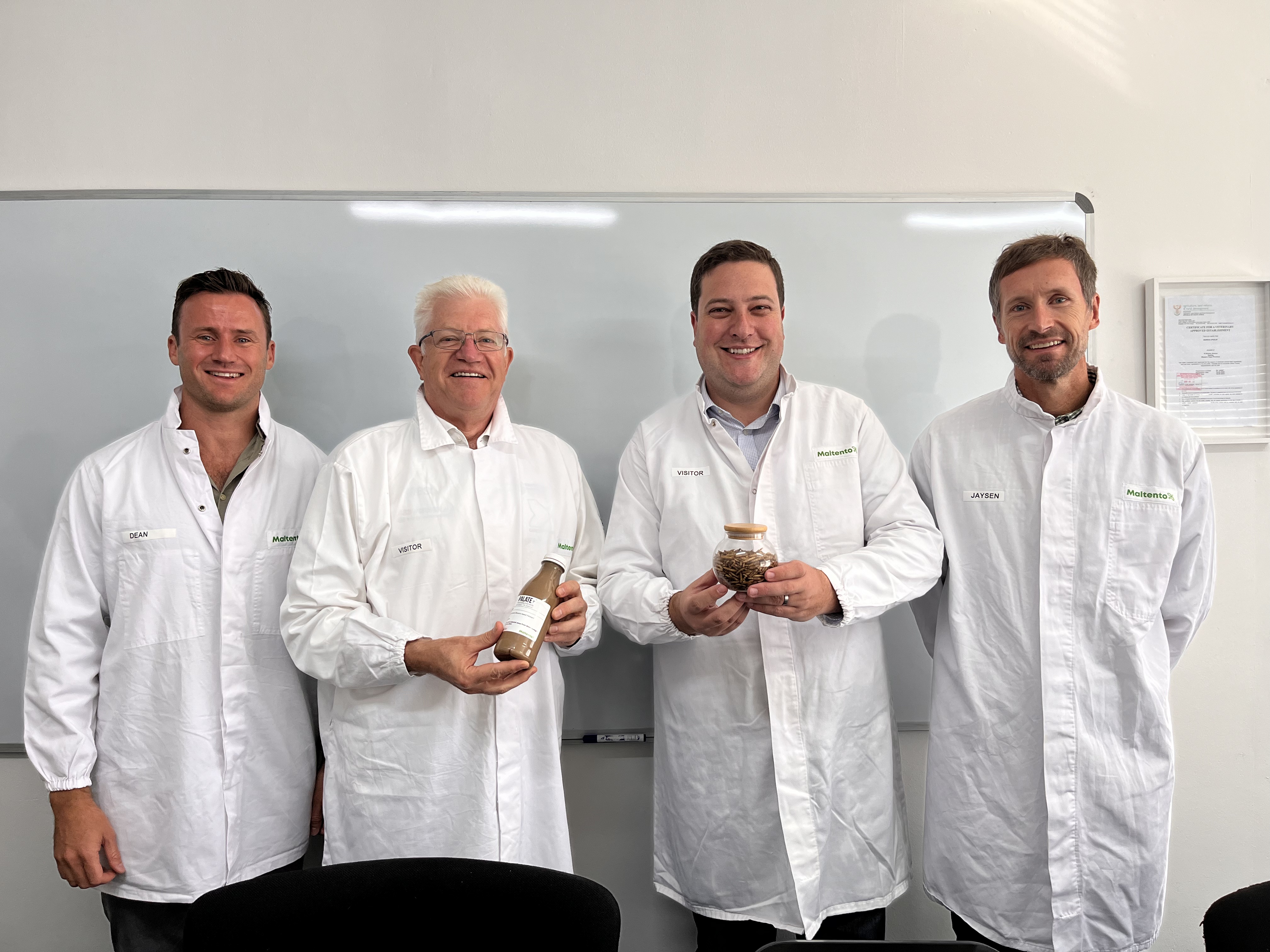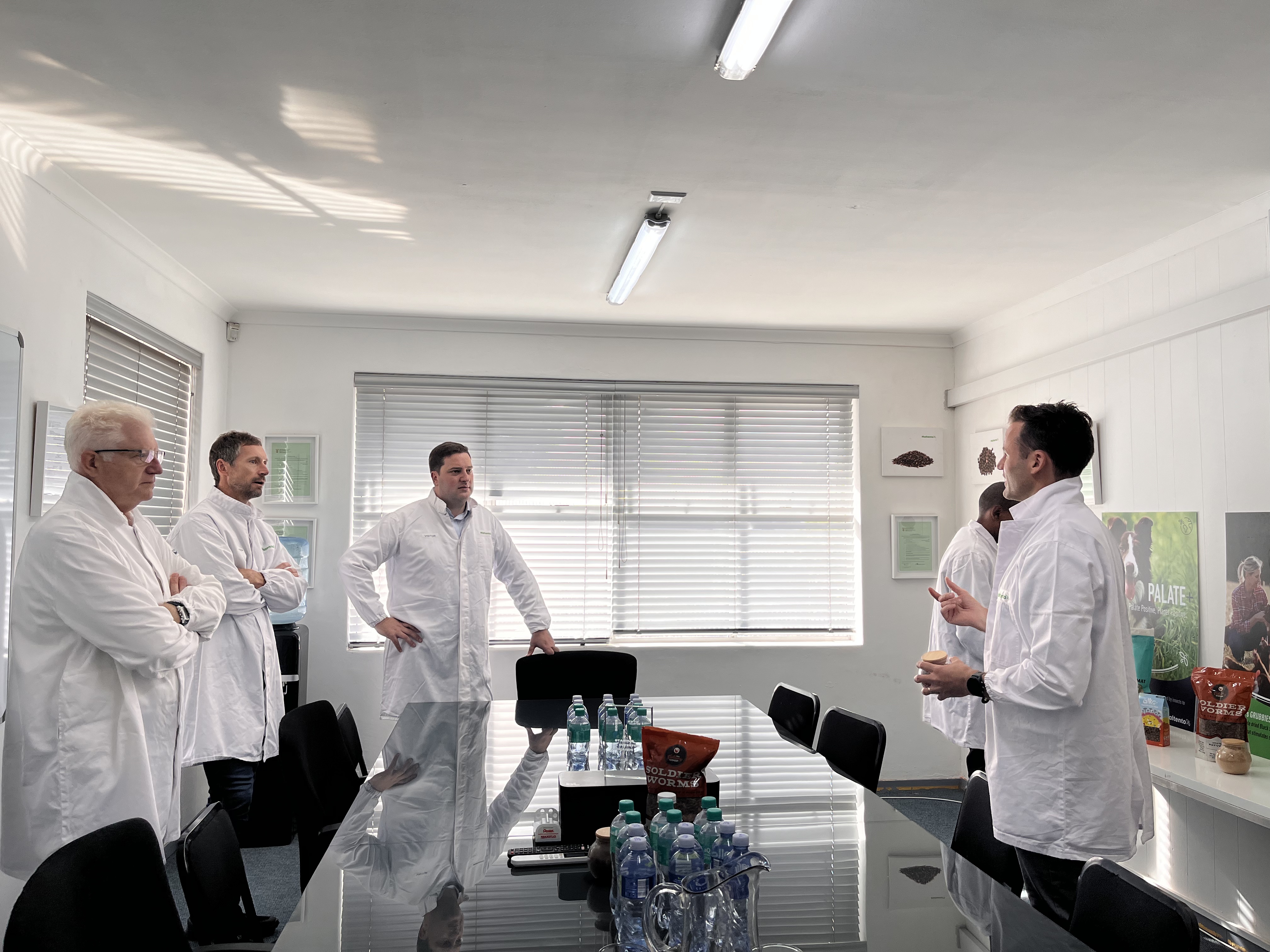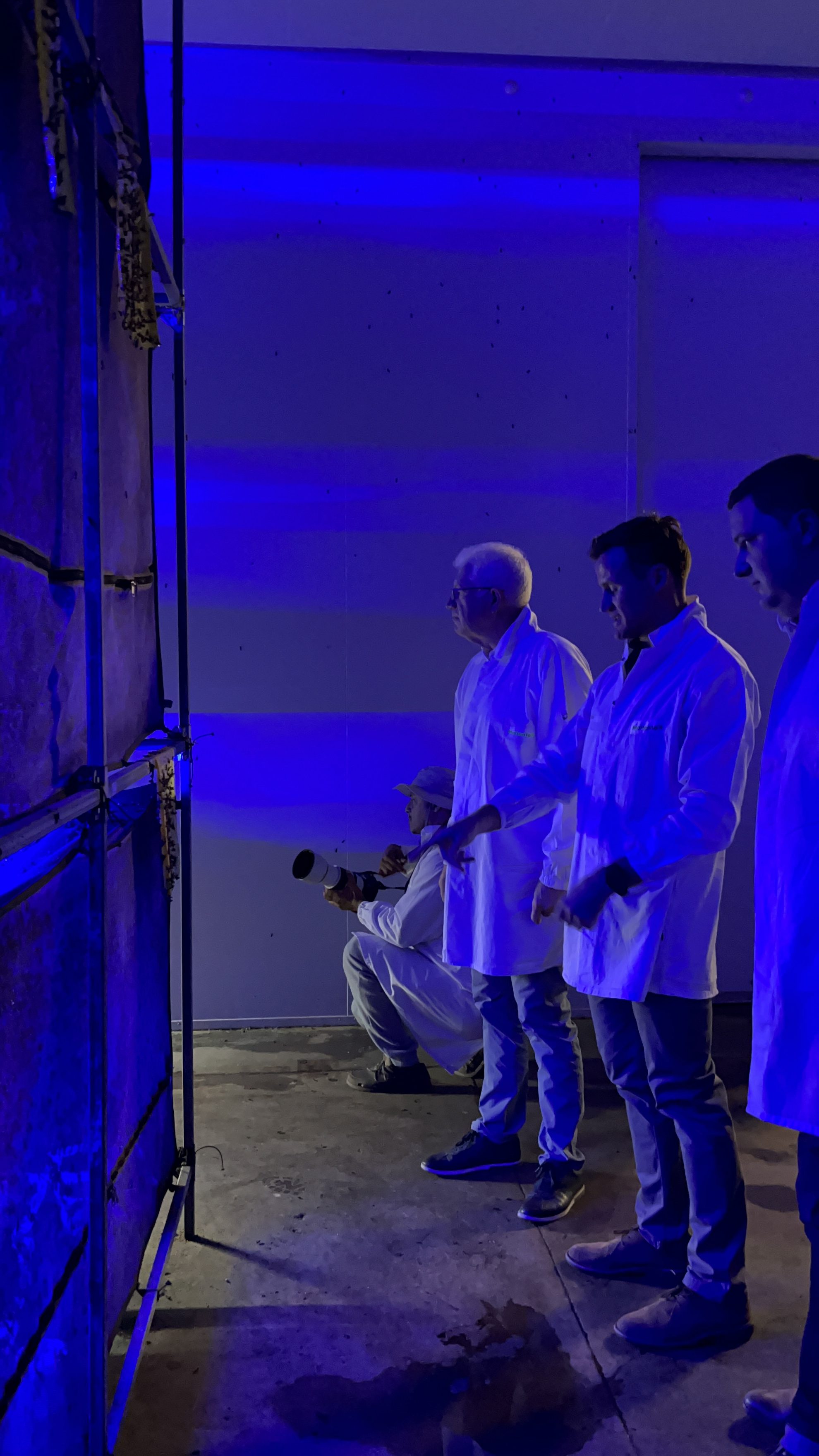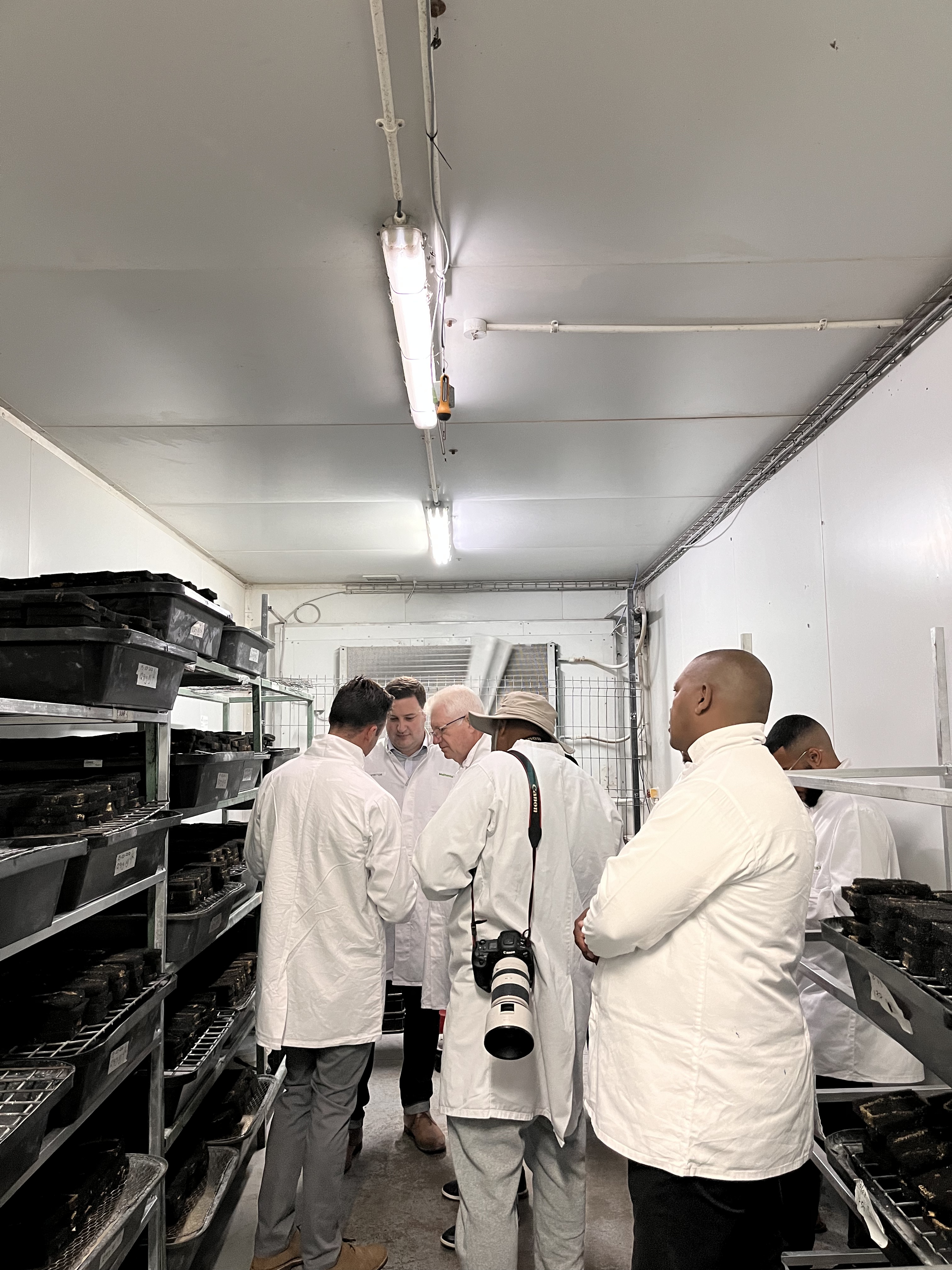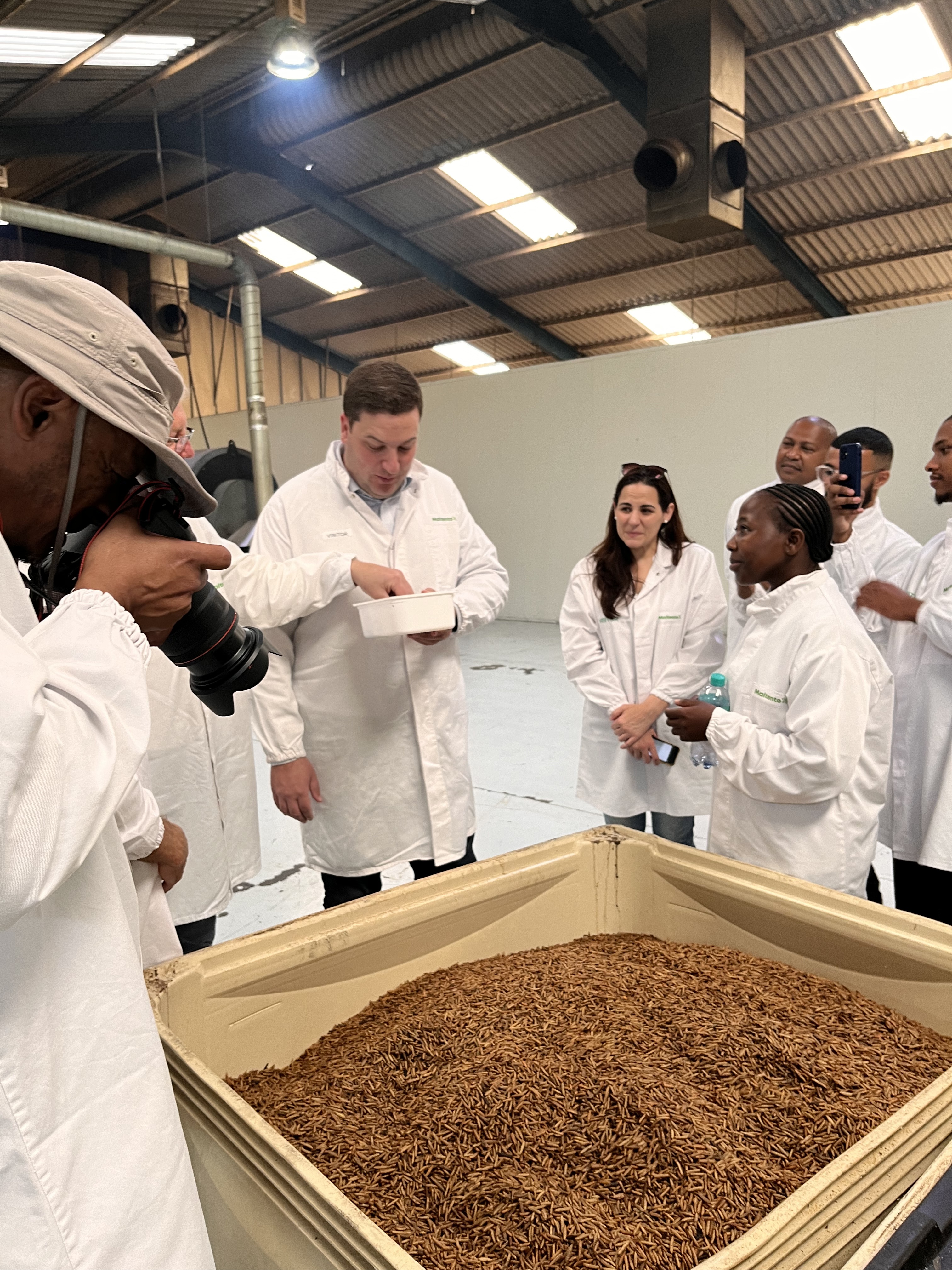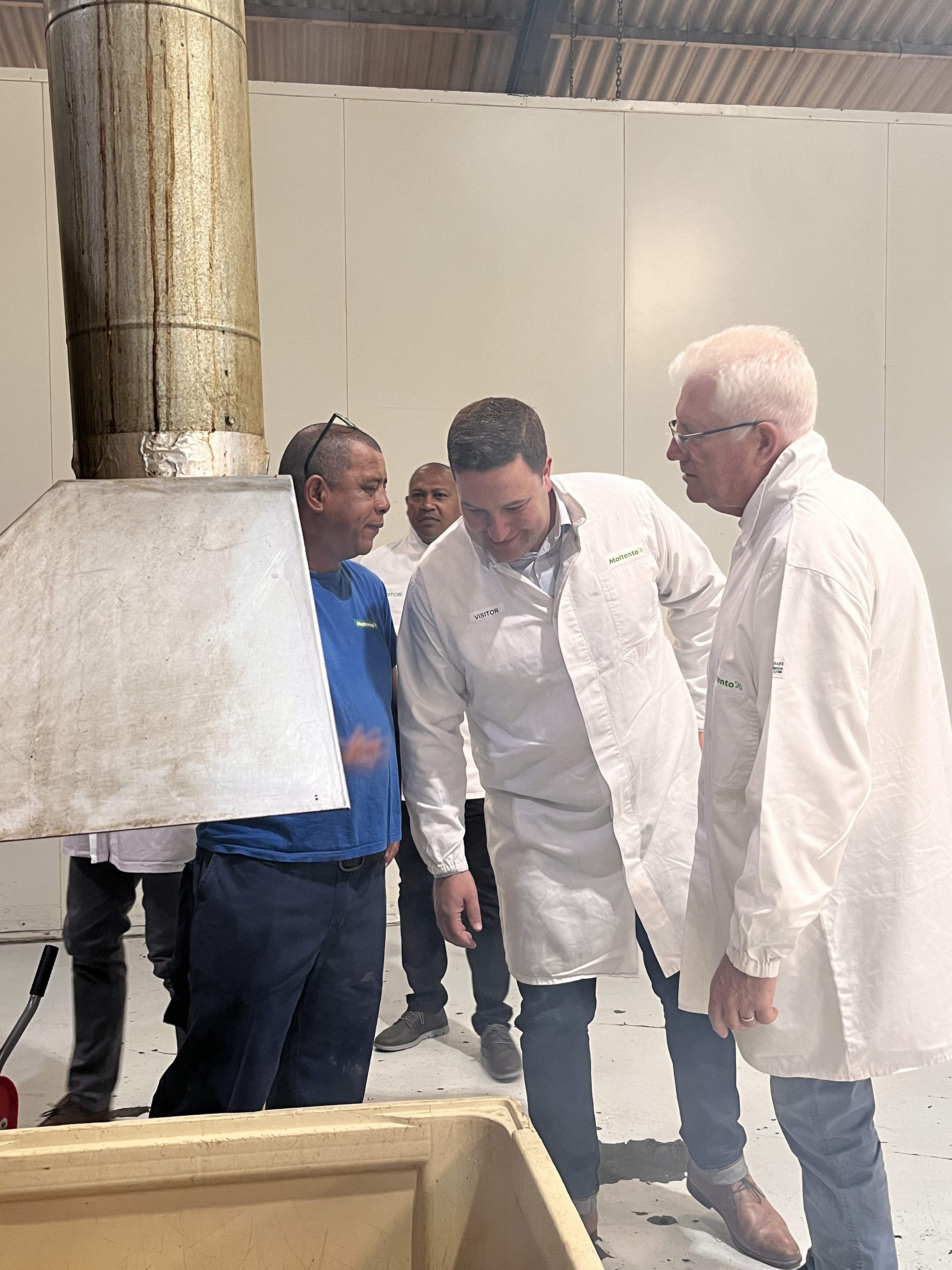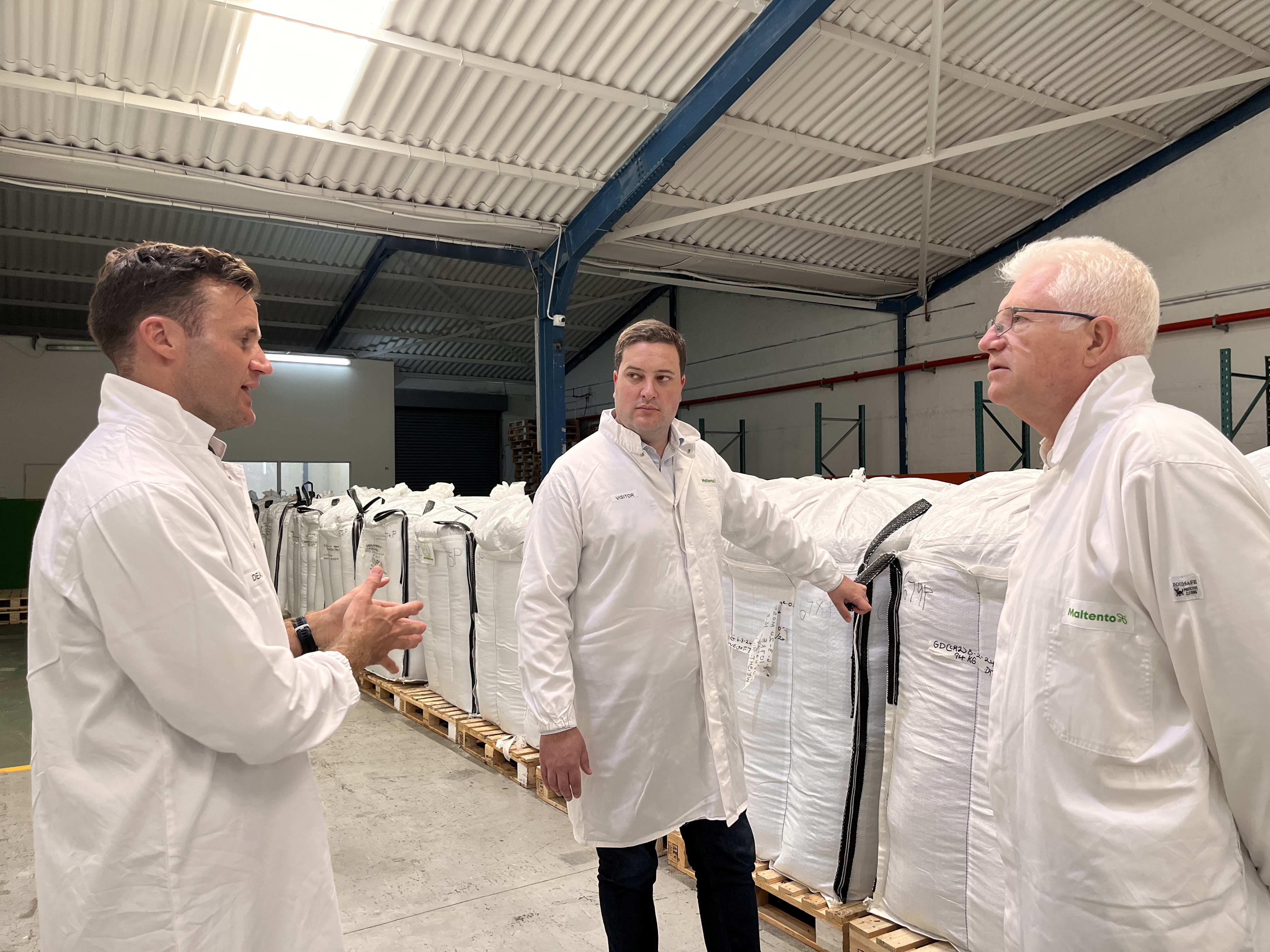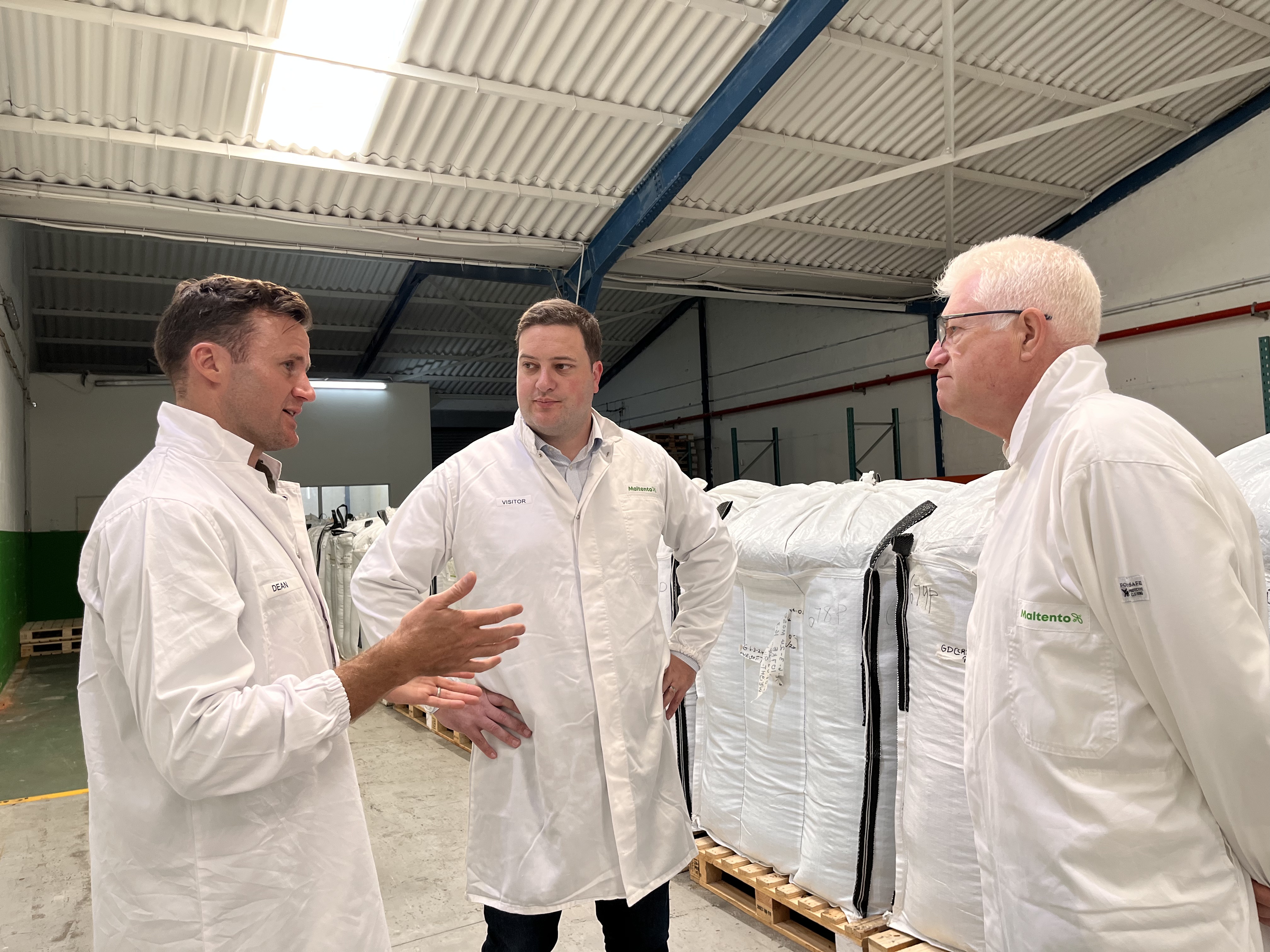
Cape Town – Western Cape Premier Alan Winde and Mayor Geordin Hill-Lewis on Monday toured the award-winning fly-farm’s facilities in Epping, Cape Town.
They were joined on the tour by Dean Smorenburg, CEO at Maltento, and Dominic Malan, Commercial Director at Maltento.
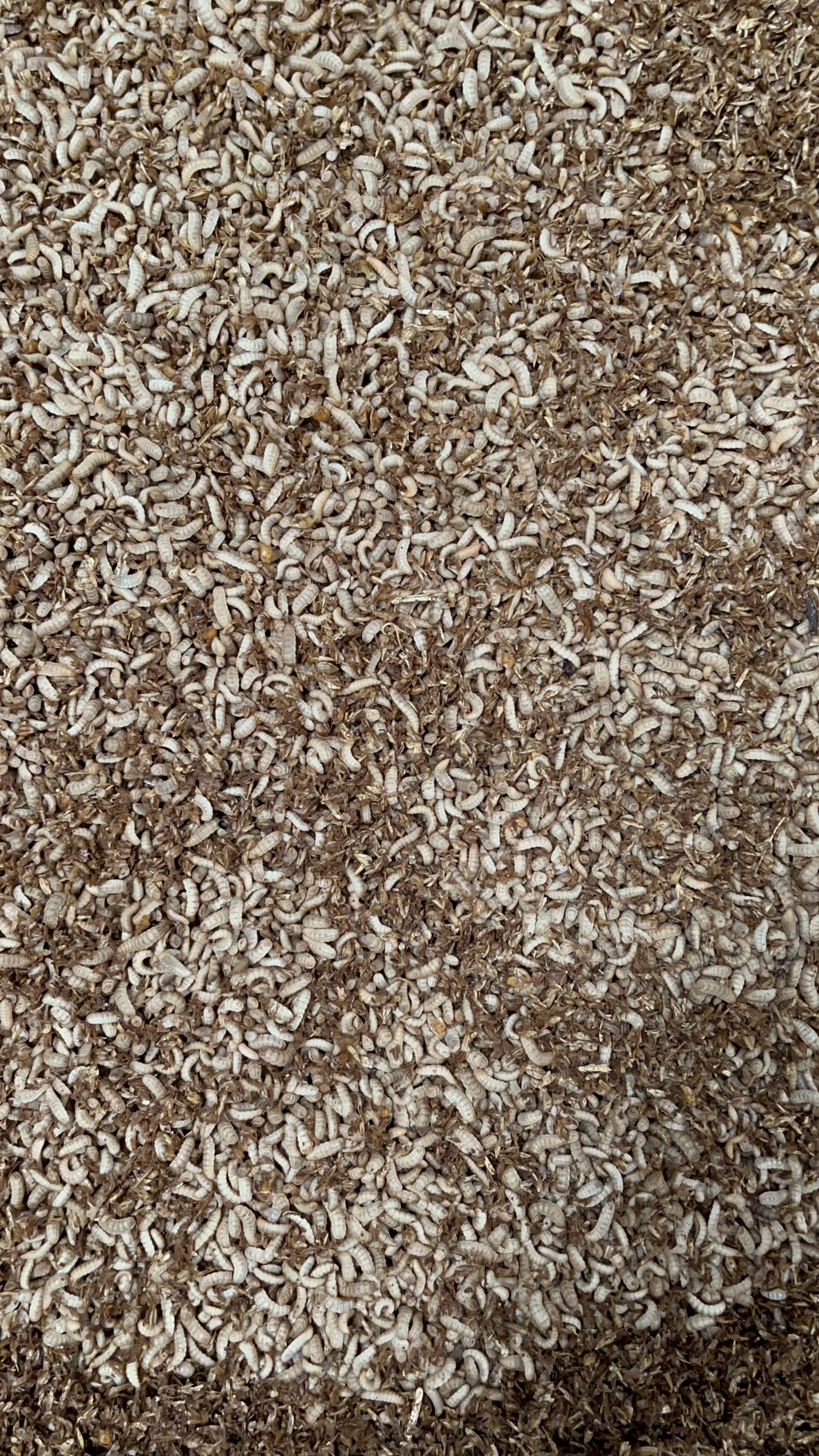
This follows a recent announcement from Maltento, regarding their mission to transform South Africa’s recycling landscape by breeding Black Soldier Flies to convert agro-processing waste, including spent grains from the beer industry, into high-performance, nutrient-dense proteins, and oils for pet and aquaculture feed.
“It was simply fascinating to see this manufacturing process, and how encouraging to see another great Cape Town business growing and thriving both here and globally,” said Mayor Hill-Lewis.
“This means more great jobs here in Cape Town. This kind of innovation also puts Cape Town at the forefront of sustainability practices in South Africa.
“I learnt that Maltento is diverting over 400 000 kgs of agro-processing waste from our landfills every month by feeding this to the fly larvae.
“Better yet, the team here tells me that they aim to grow this number up to 600 000 kgs by the end of this year.”
The Maltento fly factory breeds Black Soldier flies for their natural ability to produce functional proteins, healthy fats, and essential amino acids, offering the local and international pet feed and aquaculture markets with the highest-quality protein, made with traceable ingredients.
This groundbreaking advancement for the pet feed industry in South Africa uses substantially less water than the meat derivative market, with several scientific studies indicating that insect protein is far better for pets’ health, and the planet.
Beyond protein, soldier fly larvae also produce frass as a by-product (in the form of larvae excrement), which in and of itself has substantial nutritional value.
“We have learned today that frass serves as a significantly useful soil amendment product, capable of enhancing soil fertility, plant immunology, and nutrient cycling. Overall, it improves soil structure,” said Premier Winde.
“We are thrilled by the fact that Maltento is already donating a portion of this regenerative product to low-income communities in Cape Town every month.
“Local farmers in these areas are using Maltento’s frass to restore fields in townships, which are now responsible for producing fresh food, feeding up to 500 children in Lavender Hill.”
Frass can also be used to develop a closed-loop system and circular economy for South Africa’s beer brewing industry.
“By using frass in the fields where brewery grains are cultivated, we can create a sustainable cycle that regenerates the soil and contributes to healthy grain growth,” said Smorenburg, CEO at Maltento.
“This closed-loop system is free of heavy metals or pesticides as well.
“We are hoping to secure the local beer industry’s commitment to this revolutionary change to our country’s recycling landscape, in a combined effort to position South African scientists as global leaders in agro-processing and sustainability practices within the beer sector.
“In short, we can officially confirm that brewing beer in South Africa is good for our pets and planet.”
With a team of 65 employees at the 7 000 m2 factory in Cape Town, Maltento has successfully produced 75 metric tonnes of product since its operations began and aims to reach a whopping 100 metric tonnes by June 2024.
To make this a reality, Maltento is calling on all large-scale breweries across the country to align with its vision for improved agricultural practices within the beer sector by joining them in making the industry more sustainable.
The Maltento team offers a true testament to the quality of South Africa’s highly skilled scientists and engineers, leading sustainability practices, and world-renowned innovation in the insect biotechnology space.