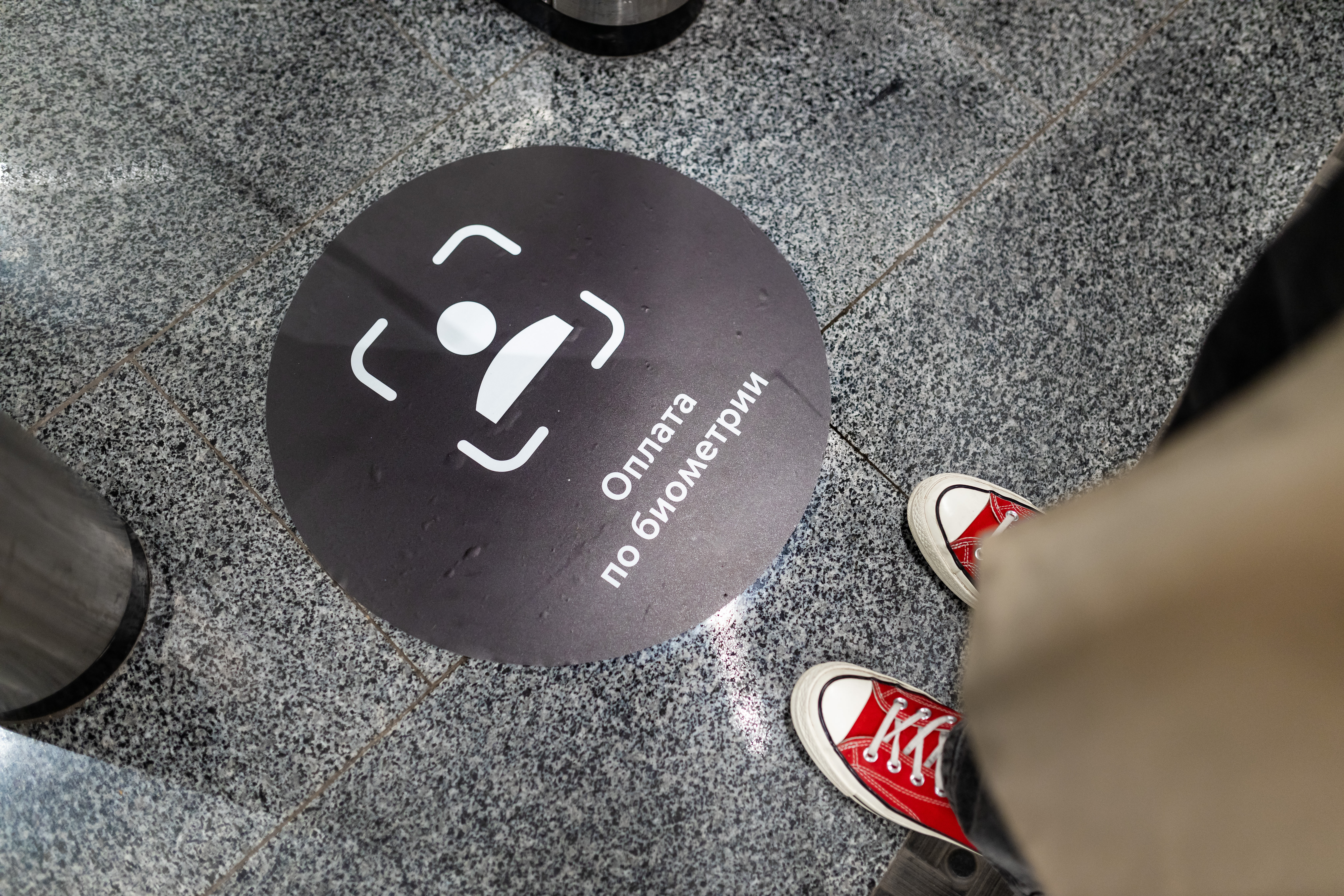
Moscow – In a significant milestone for urban transport, passengers in Moscow have completed 100 million trips using biometric technology to pay instead of cash, cards, or cellphones.
Biometric technology – the automated recognition of individuals using unique physical characteristics – is on the rise in Russia as a payment method.
“We are actively advancing biometric technologies in urban transportation, enabling payment for trips without the need for cards or phones,” said Deputy Mayor of Moscow for Transport Maksim Liksutov.
“The Russian payment service has proven its utmost security and reliability during its implementation.”
The passenger who made the 100 millionth journey via this innovative payment service will receive three months of complimentary metro travel.
Liksutov added: “Currently operational in the metro, MCC, Aeroexpress, and river routes, we are planning to extend its functionality to surface transport and Moscow Central Diameters (MCD).”
However, in light of the upcoming suspension of Samsung Pay in Russia from 3 April 2024 questions have been asked about possible effects on the methods of payment for rail travel.
Commenting on the matter, Liksutov assured Moscow Transport passengers that this change will not impact the existing fare payment system due to the wide array of payment options available for users.
“We offer the use of Russian technologies when paying for fares in Moscow Transport,” said the Deputy Mayor of Moscow for Transport.
“We offer a wide range of travel payment services so that passengers can find the suitable one.
“We are among the world leaders in this respect. Payment by biometrics is already in operation, and in open test mode – via the Faster Payments Service (FPS).”
Liksutov said this year, the virtual Troika will be available to owners of any smartphone.
Payment methods for commuters include:
- Payment via Mir Pay using an Android phone with a Mir card
- Use of any plastic bank card or bank sticker at all turnstiles and validators
- Biometric payment at all metro stations, MCC, and river transport
- Payment with a smartphone via FPS in open test mode at all metro, MCC, and river transport turnstiles
- Cash or bank card payments at ticket offices and vending machines
- Utilization of a Troika card, Muscovite card, or Unified ticket for 1-2 trips
Additionally, Moscow reports a remarkable increase in bank card payments at Moscow Metro and MCC turnstiles, with the number of transactions more than doubling.
Liksutov said the current usage rate of approximately 900 000 daily payments through bank cards reflects a substantial surge from the figures recorded in mid-March 2022 when there were roughly 426 000 transactions a day.
“By the beginning of 2023, we had completed the upgrade of nearly 4 000 turnstiles, allowing card payments at each of them today,” said Liksutov.
“Moscow continues to uphold its position as one of the global leaders in providing a wide range of payment options.”
Under Moscow Mayor Sergey Sobyanin’s directive, the focus is not only on introducing new payment services but also on enhancing the existing ones to make public transportation even more convenient.