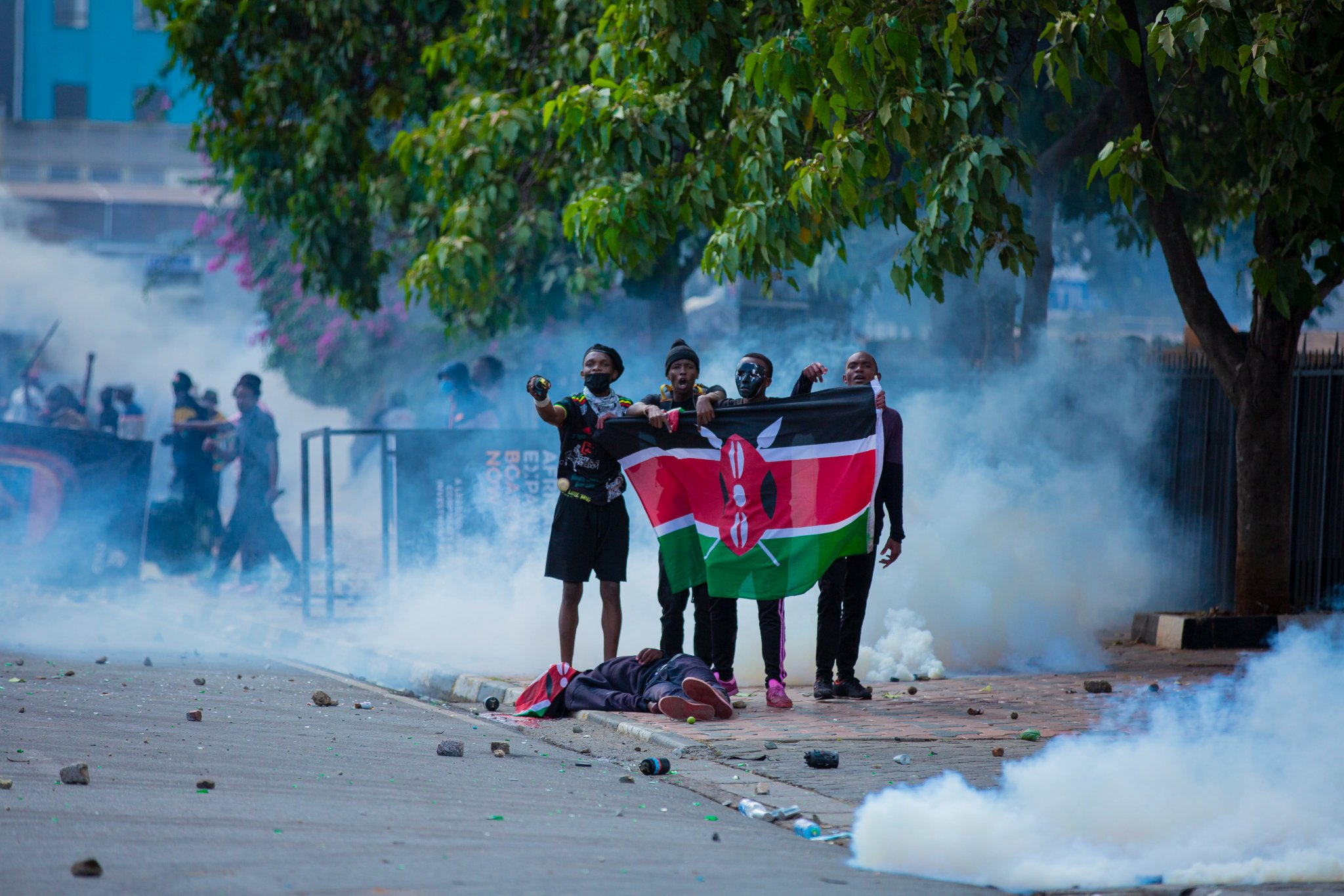
The recent events in Kenya underscore the formidable power of citizen activism and the necessity of responsive governance.
President William Ruto’s decision to withdraw a controversial finance bill after widespread protests illustrates how public outcry can shape policy, even when the government initially resists.
Kenya’s 2024 finance bill sought to raise $2.7 billion by increasing taxes across the board, aiming to address budget deficits and reduce reliance on borrowing.
The proposed measures included a 16% tax on bread, a 25% duty on cooking oil, and higher levies on vehicle ownership, financial transactions, manufactured goods, and digital equipment.
These sweeping changes ignited outrage among Kenyans, particularly the younger generation, who mobilized through social media and took to the streets.
Their collective action exemplifies the enduring power of the people to influence and demand accountable governance.
The government’s initial heavy-handed response to the protests, which led to over 20 deaths, only intensified public outrage.
President Ruto’s threatening rhetoric, branding protesters as “criminals” and vowing a “full, effective, and expeditious response,” further escalated tensions.
However, in the face of unrelenting public resistance, Ruto ultimately conceded, acknowledging that “the people have spoken” and deciding not to sign the bill into law.
This episode highlights the profound impact of citizen activism and the critical importance of responsive governance.
This episode offers a crucial lesson for African leaders: democratic governance must prioritize the needs and voices of the people it serves.
Kenya’s eventual capitulation to the public will stand in stark contrast to the tragic outcomes of similar protests in other African nations, such as Nigeria’s EndSARS movement during President Muhammadu Buhari’s administration.
This contrast underscores the importance of responsive leadership and the perils of suppressing dissent.
The Kenyan protests also highlight broader issues afflicting many African nations: corruption, wasteful spending, and a disconnect between the political elite and ordinary citizens struggling to meet basic needs.
The involvement of international financial institutions, such as the IMF’s loan conditions, adds another layer of complexity to these challenges.
This episode illuminates the necessity of transparent and accountable governance to address these deep-seated issues effectively.
In Nigeria, similar grievances frequently become entangled in religious and ethnic divisions, hindering unified action against unpopular policies.
The current economic crisis, worsened by currency devaluation and the removal of fuel subsidies, has resulted in unprecedented inflation.
Despite organised labour’s efforts to protest these policies and demand higher wages, they have struggled to gain widespread support.
This situation underscores the complexities and challenges in mobilising cohesive resistance in the face of deeply ingrained societal divisions.
This lack of unity among the governed allows leadership to implement potentially harmful policies with minimal resistance.
The situation is further complicated by lawmakers who often fail to represent their constituents’ interests or provide effective oversight of executive actions.
Reflecting on Kenya’s example, it becomes clear that citizens must find ways to speak with one voice against policies that negatively impact their lives.
Nigerians should draw inspiration from their Kenyan counterparts, who set aside ethnic, religious, and political differences to confront the authorities.
Lawmakers have a crucial role in scrutinizing executive bills and asserting their independence.
They must take their oversight functions seriously to hold erring, corrupt, and inept government officials accountable.
In the long run, a robust system of checks and balances benefits everyone.
Despite his initial grandstanding, President Ruto had to come down from his high horse and make concessions.
This is what true leadership entails. Policies are valuable only when they have the potential to positively transform lives.
However, when policies threaten to burden citizens further, common sense should prevail.
While President Bola Ahmed Tinubu has shown a willingness to listen, reversing some of his policies, more must be done to ensure Nigerians, who voted him into power, reap the dividends of democracy.
Governments must also approach relationships with international financial institutions cautiously, recognising that their prescribed policies often inflict hardship on citizens.
The ultimate goal of governance should be to improve the lives of the people, not to satisfy external economic pressures at the expense of social welfare.
The lessons from Kenya serve as a powerful reminder of the strength of collective action and the fundamental principle that in a true democracy, the will of the people must prevail.
It is a call to both citizens and leaders across Africa to strive for more responsive, accountable, and people-centered governance.
*The writer of this article is Kevin Mofokeng, a developmental writer and digital PR strategist based in Gaborone, Botswana. The views expressed by Kevin Mofokeng are not necessarily those of The Bulrushes