Pretoria – Two more laboratory-confirmed Mpox cases have been detected in Gauteng and KwaZulu-Natal, the Department of Health announced Sunday.
Calling for ongoing public vigilance against the disease, the department said these cases came at least 26 days since the last Mpox infections were reported in South Africa.
“This increases the total number of cases from 22 to 24, of which 12 were reported in Gauteng, 11 reported in KwaZulu-Natal, and one in the Western Cape,” the department said.
“The number of deaths linked to the disease remains three.”
The department said the 23rd Mpox case was that of a 36-year-old man from KwaZulu-Natal.
He was admitted to a public health facility in Durban late in July after he experienced a Mpox-like rash along with fatigue, muscle pain, and rigor.
“The patient has no international travel history,” the department said.
“Case 24 is a 20-year-old man from Gauteng who was seen at a private health facility in Johannesburg on Friday, (2 August 2024).
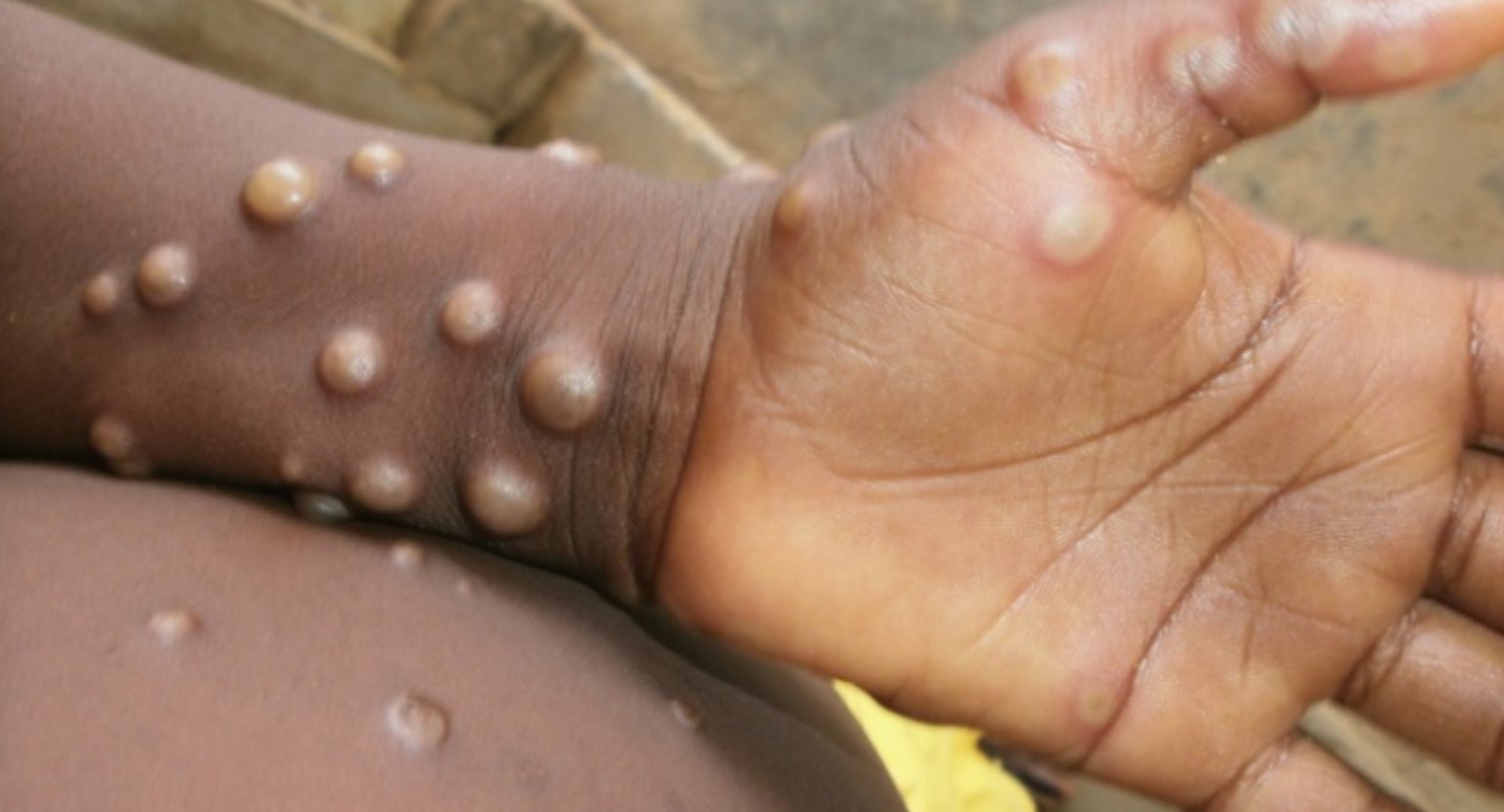
“The case presented with typical Mpox lesions.
“He confirmed that he has an international travel history to Peru in South America.
“It is uncertain if the exposure occurred in Peru or South Africa.”
According to the World Health Organization multi-country Mpox outbreak, Peru is among the countries with high numbers of positive cases in the region of the Americas.
The department said contact tracing and monitoring activities were ongoing in the affected communities in both provinces, where the latest cases were confirmed.
The department urged all the identified contacts to cooperate with health officials during contact tracing for screening and possible diagnosis to prevent further transmission of this “preventable and treatable” disease.
“Of the 22 cases recorded between 8 May and 6 July, 19 of them have fully recovered,” the department said.
“All people with suspected symptoms are reminded to visit the nearest healthcare facility right away for clinical evaluation, diagnosis, and treatment options, instead of self-diagnosing and isolation.”
In a related development, the department confirmed the arrival of another batch of Tecovirimat, also known as TPOXX donated by the World Health Organization as part of ongoing support to the country`s response efforts to this preventable and manageable disease.