Talented youth from South Africa, Tunisia, and Cameroon have visited the North Pole and discovered the Arctic life features.
The expedition on the nuclear icebreaker 50 Let Pobedy was organised within the Rosatom’s Icebreaker of Knowledge project.
Icebreaker of Knowledge is the fifth scientific and educational expedition and the first international voyage under the project timed to coincide with the 65th anniversary of the nuclear icebreaker fleet this year.
The expedition included 78 talented schoolchildren and young experts from South Africa, Tunisia, Cameroon, Mongolia, Hungary, India, China, Kazakhstan, Kyrgyz Republic, Bangladesh, Belarus, Armenia, Uzbekistan and other countries.
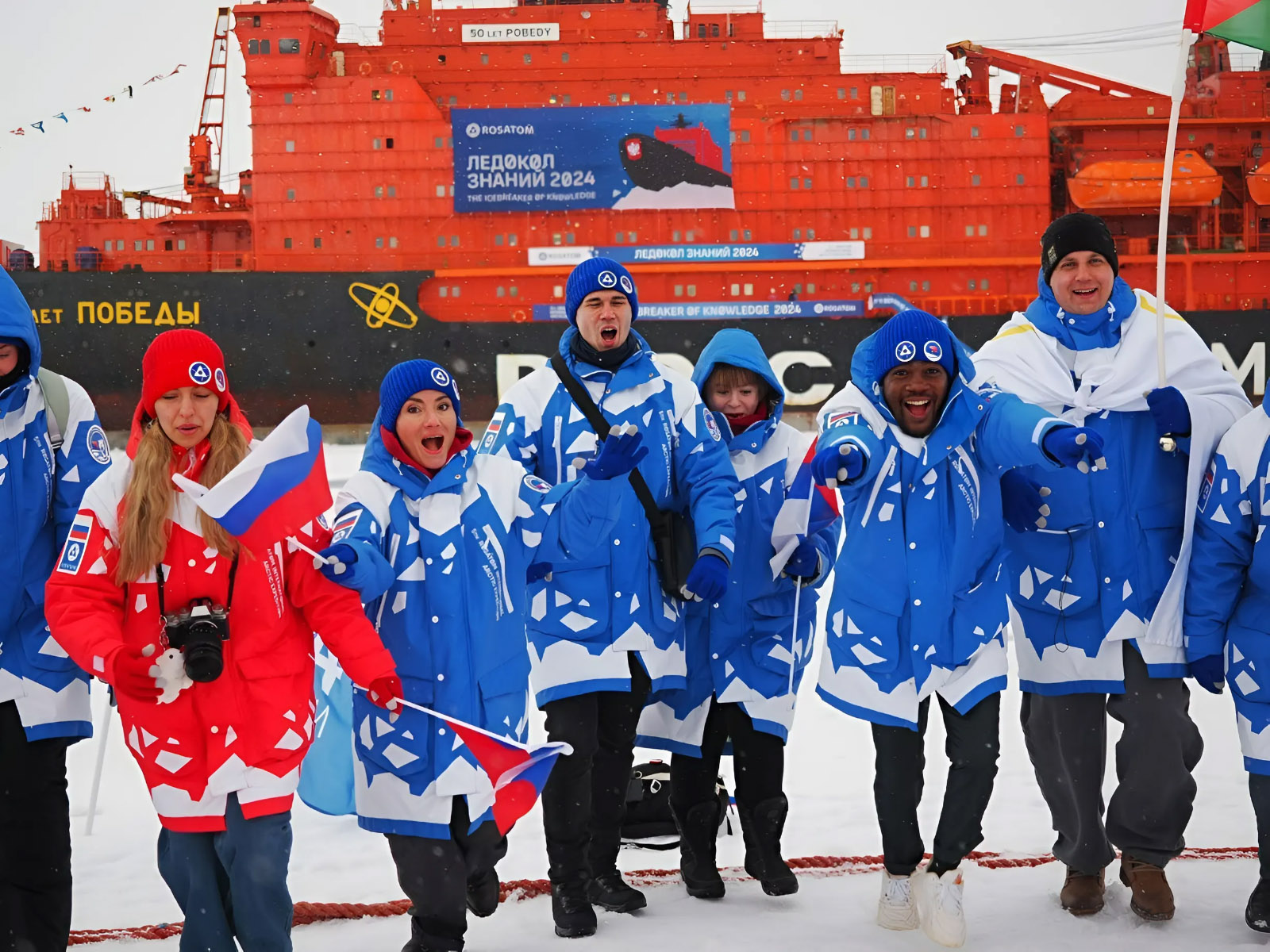
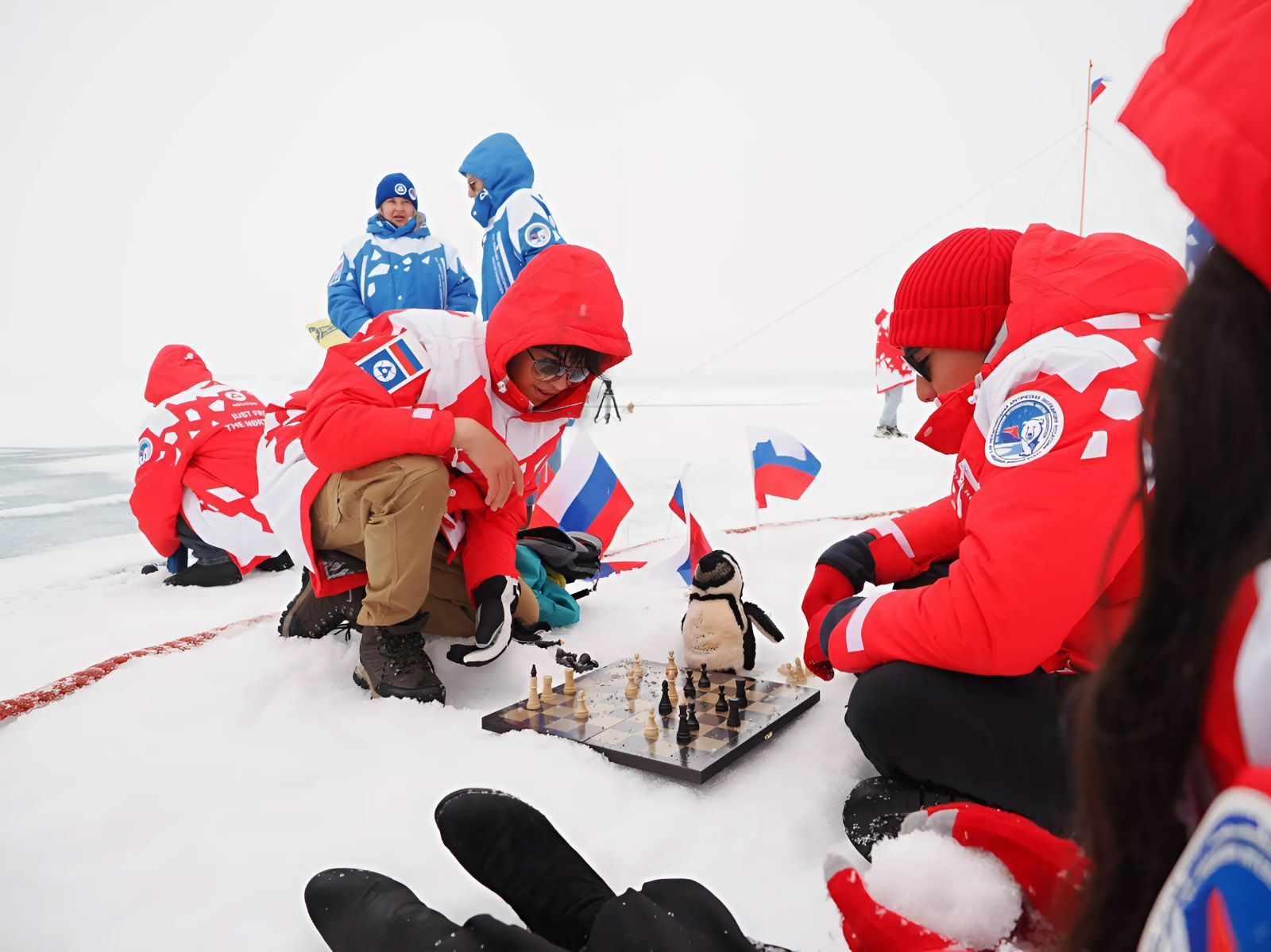
The nuclear icebreaker 50 Let Pobedy with the expedition team on board departed from Murmansk on 13 August 2024.
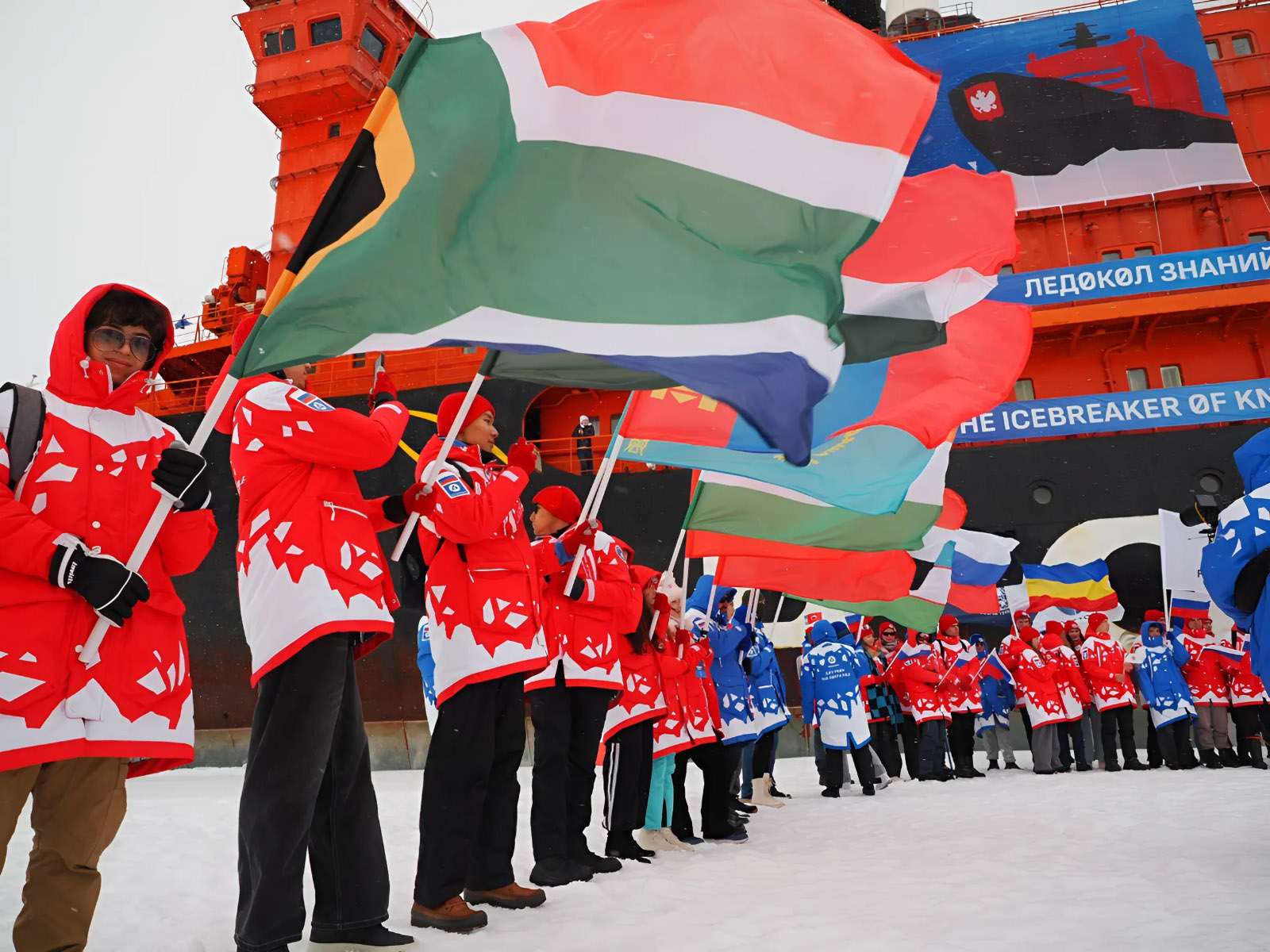
The project participants delivered their national flags to the North Pole where the Icebreaker of Knowledge arrived on 17 August 2024.
On 22 August 2024, the Arctic expedition returned to Murmansk.
“The Icebreaker of Knowledge participants on board the nuclear icebreaker 50 Let Pobedy covered 2 979 miles,” said Ruslan Sasov, Captain of the nuclear icebreaker 50 Let Pobedy, upon return of the expedition.
“For the first time, the kids travelled to the North Pole, and watched fascinating landscapes of the Franz Josef Land archipelago.
“We saw icebergs, walruses and whales.
“Sailors, scientists, engineers, researchers, the Arctic is waiting for you.
“The Icebreaker of Knowledge 2024 returned to Murmansk ready to reach the top of the planet again next year.”
Commenting on the expedition, Islem Bouchouicha, a young expert from Tunisia said: “The little girl inside of me, who wanted to be a petroleum engineer just like her father, and spent hours reading and watching Mike Horn’s adventures in the North Pole, is extremely excited to embark in this lifetime experience and very proud to be one the first Tunisians to reach the top of the world, the latitude 90°N”.
She added: “A great opportunity to learn about the capabilities of the icebreaker and the secrets of the Arctic region.”
The Icebreaker of Knowledge is an international scientific and educational project aiming to popularise natural sciences and nuclear technologies, find and support talented and gifted children, and develop their abilities.
The project was organised by the network of Information Centres on Atomic Energy with the support of Rosatom and ‘Knowledge’ Russian society as the project’s intellectual partner.
During the expedition, the team participated in a rich educational programme including lectures, master classes, scientific games, film shows, and a lot of other activities.
On the icebreaker, they also filmed a documentary series about the life of the international team of schoolchildren participating in that Arctic voyage.
During the expedition, Rosatom and ‘Knowledge’ Russian society ran the northernmost lecture course: scientists and popularisers of science gave talks on board the icebreaker and at the North Pole.