Johannesburg – The Gauteng Department of Health (GDoH) on Wednesday said it has prioritised the training of women as first responders.
The training was part of the GDoH Women’s Month programme.
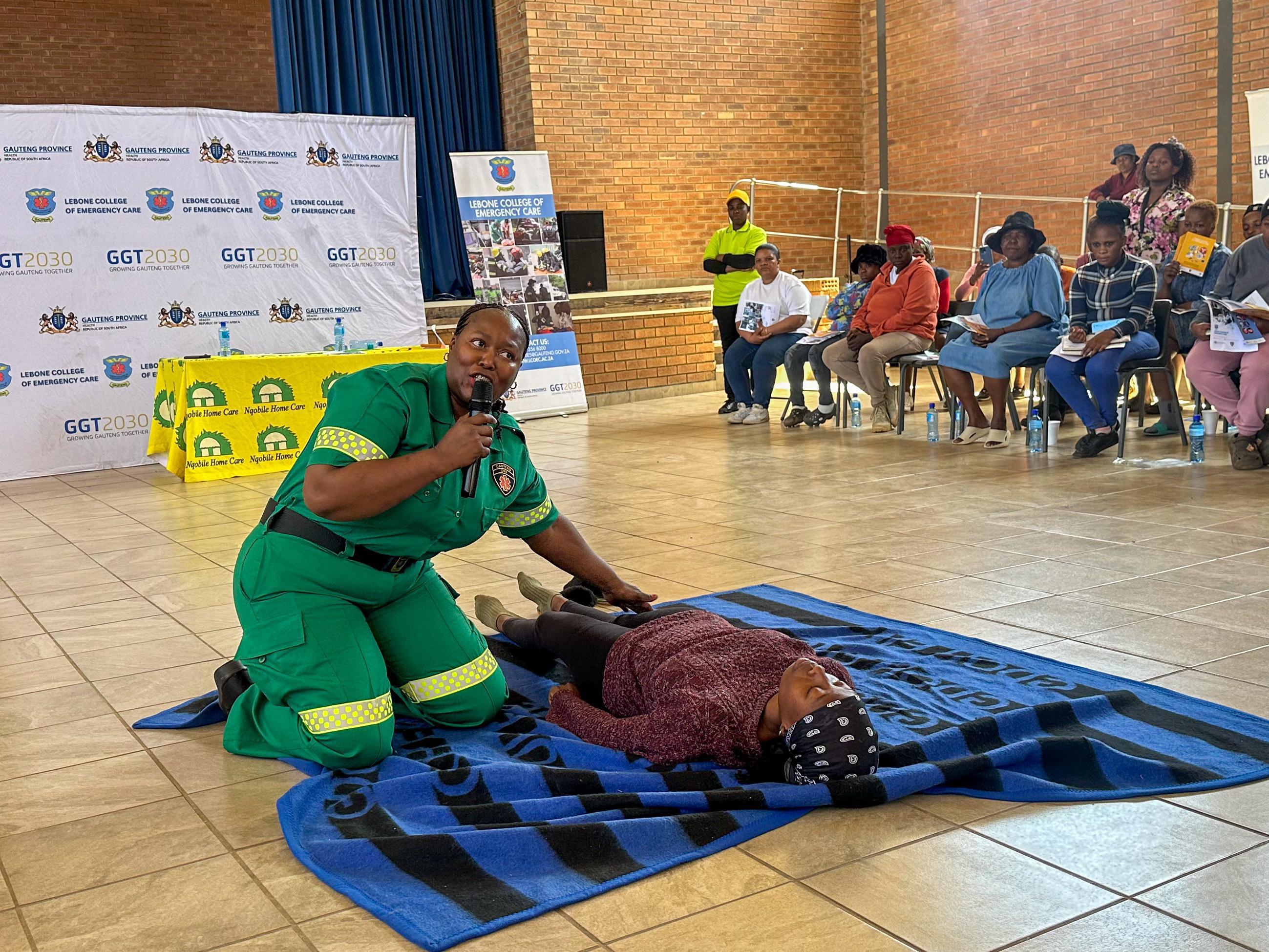
“The First Responder Training programme offered by Lebone College of Emergency Care focuses on equipping participants with essential life-saving skills,” the GDoH explained.
The skills training includes performing CPR, assisting convulsing victims, addressing critical wounds such as stabbing and gunshot injuries, managing falls, treating sprains, strains and burn cases.
Since the relaunch of the programme in 2023, the GDoH said it has prioritised training of community members from disadvantaged areas such as townships, informal settlements, and hostels.
“To date, over 6 000 people have been trained to act swiftly and effectively in the face of unforeseen emergency situations,” said the GDoH.
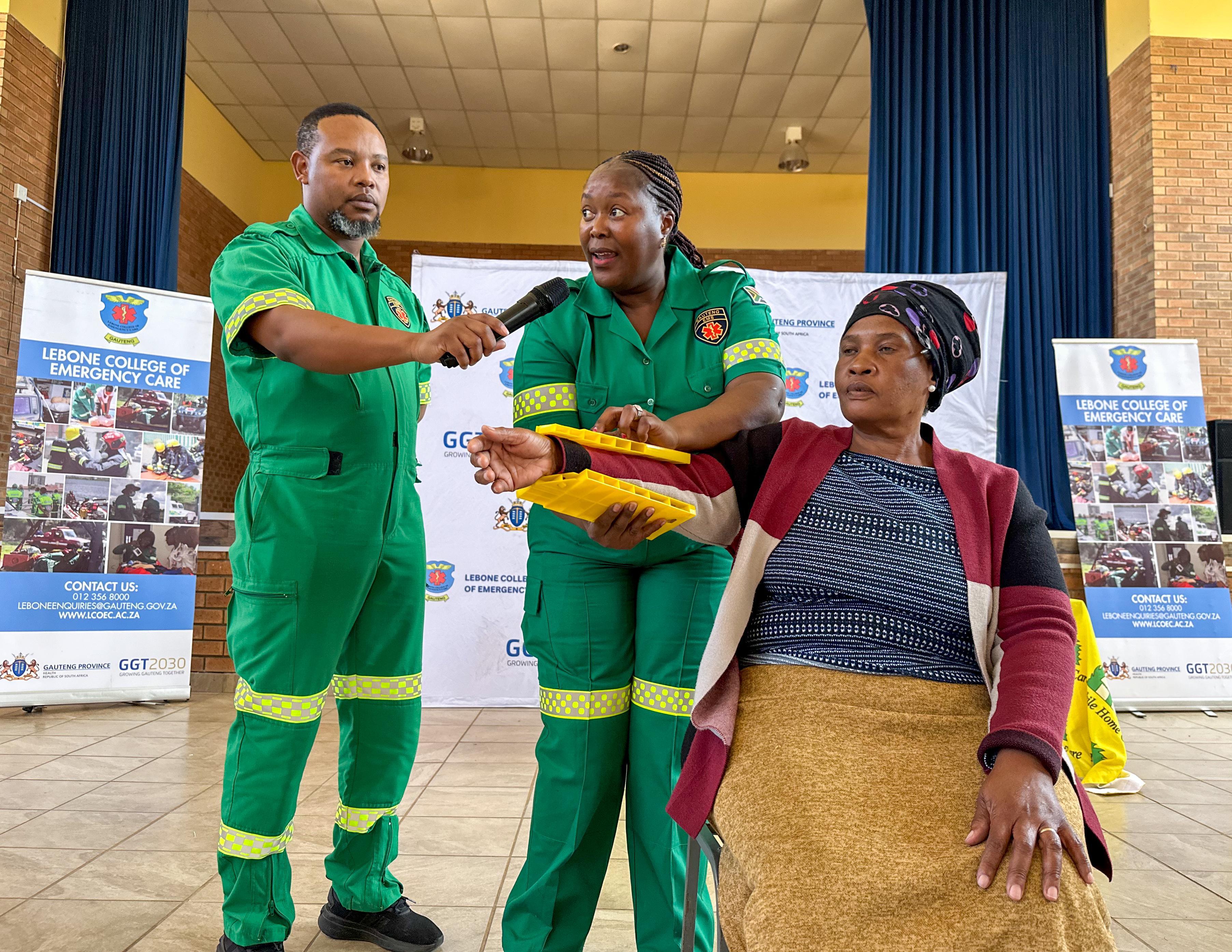
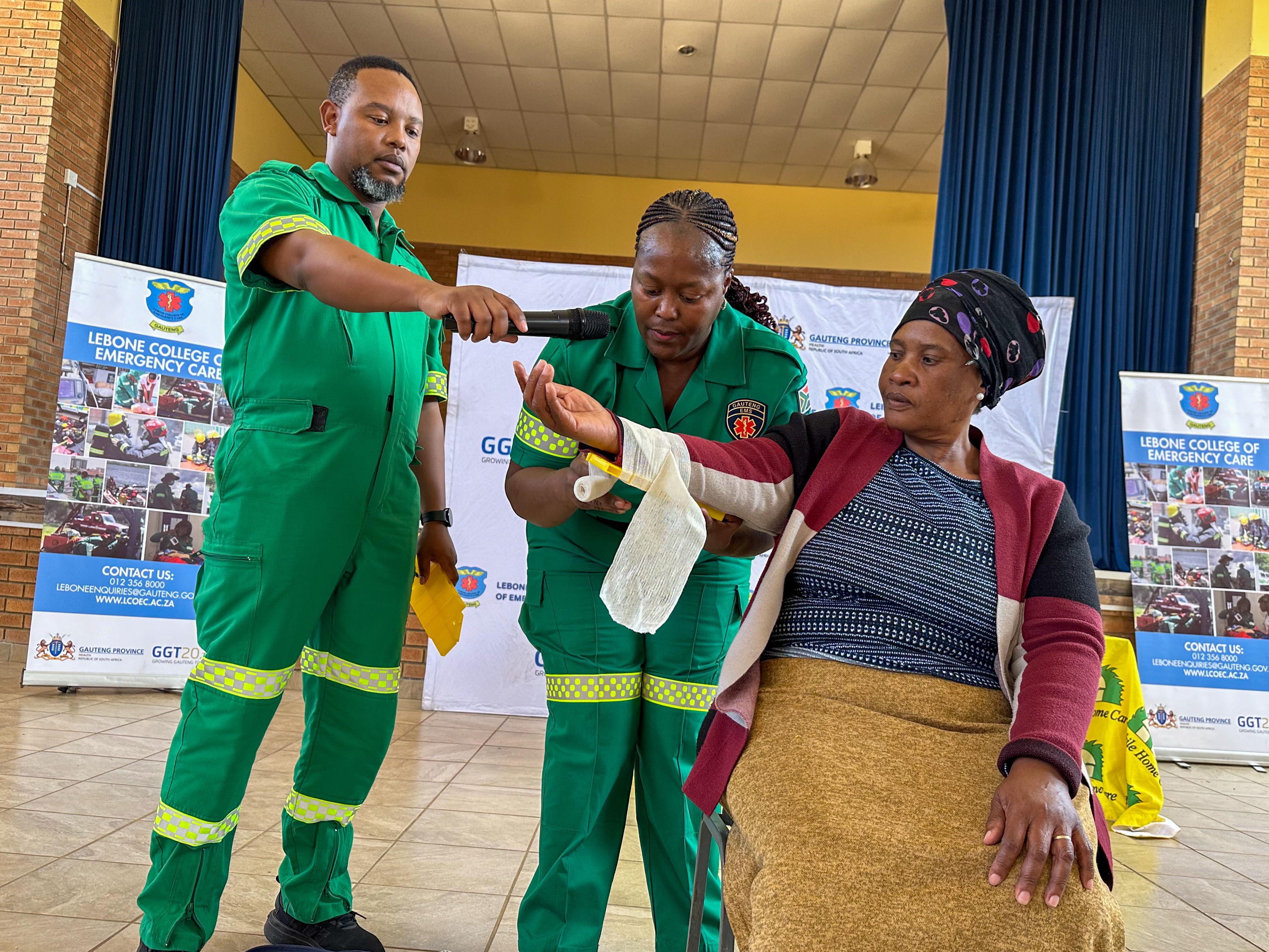
Speaking in Bramfischer, where 300 women are undergoing training, the Gauteng Health and Wellness MEC Nomantu Nkomo-Ralehoko said: “Accidents and emergencies happen every day in our communities”.
She added: “In these critical moments, the presence of a first aid-trained individual can make a profound difference and save someone’s life.”
“This training is a key milestone in ensuring that women are empowered to continue making a difference in communities.
“I urge the women enrolled for this training to transfer the knowledge and the life-saving skills to their families and neighbours.”
Lebone College has partnered with the South African Congress of Nonprofit Organisations (SACONO) in facilitating the training programme.
Tintswalo Makhubele, the Chairperson of SACONO said the First Responder Training was a “stepping stone” towards upskilling the community and empowering them to help their families, schools, and communities when they are endangered.
“Many unfortunate incidents happen in communities including fire-related incidents which may result in burn injuries and sometimes loss of life,” said Makhubele.
“We believe these women will contribute by supporting their communities during emergencies.”
The GDoH recognises that first aid is a cornerstone of community well-being and remains committed to foster a culture of preparedness and care.
The rollout of the First Responder Training will continue targeting communities across the province.
Every second week, a team of dedicated emergency care professionals will provide this much-needed training.