
Last month, 40 African Health Ministers signed important agreements at the Pan-African Surgical Healthcare Forum (PASHeF) in Rwanda.
These agreements are a big step towards making surgical care accessible to more people across Africa.
In the near future, the goal is to have these agreements formally adopted by the African Union (UA).
This journey is one that Mercy Ships, the University of Global Health Equity (UGHE), the Rwanda Ministry of Health, and Smile Train walked together – to support and host this recent PASHeF meeting.
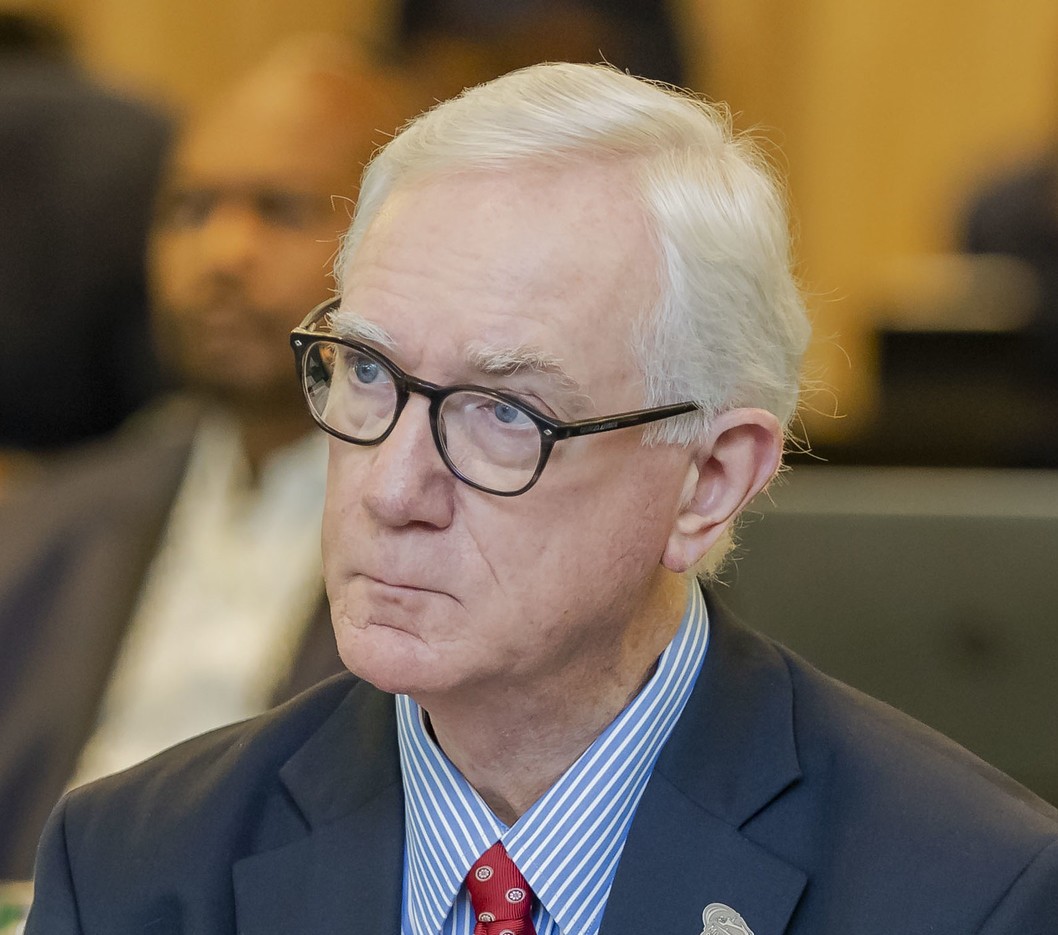
Dr. Walt Johnson shares his thoughts on why these efforts are so important and why collaboration is vital for saving lives.
When discussing global health crises, it is common to think of infectious diseases like HIV/AIDS, tuberculosis, and malaria.
Yet, what many don’t realise is that almost five times as many people die each year due to a lack of access to surgical care and anaesthesia than from these diseases combined (Lancet Commission on Global Surgery).
This is a silent crisis.
The African continent suffers from the lowest access to surgery because many hospitals do not have basic infrastructure like running water and electricity, and there are very few surgeons and anaesthesiologists available.
Additionally, patients often struggle to reach medical facilities due to poor transportation, and if they do, many cannot afford care or do not have the financial security to cover costs.
Along with other partners, I recently had the privilege of hosting the second PASHeF event in Kigali, Rwanda.
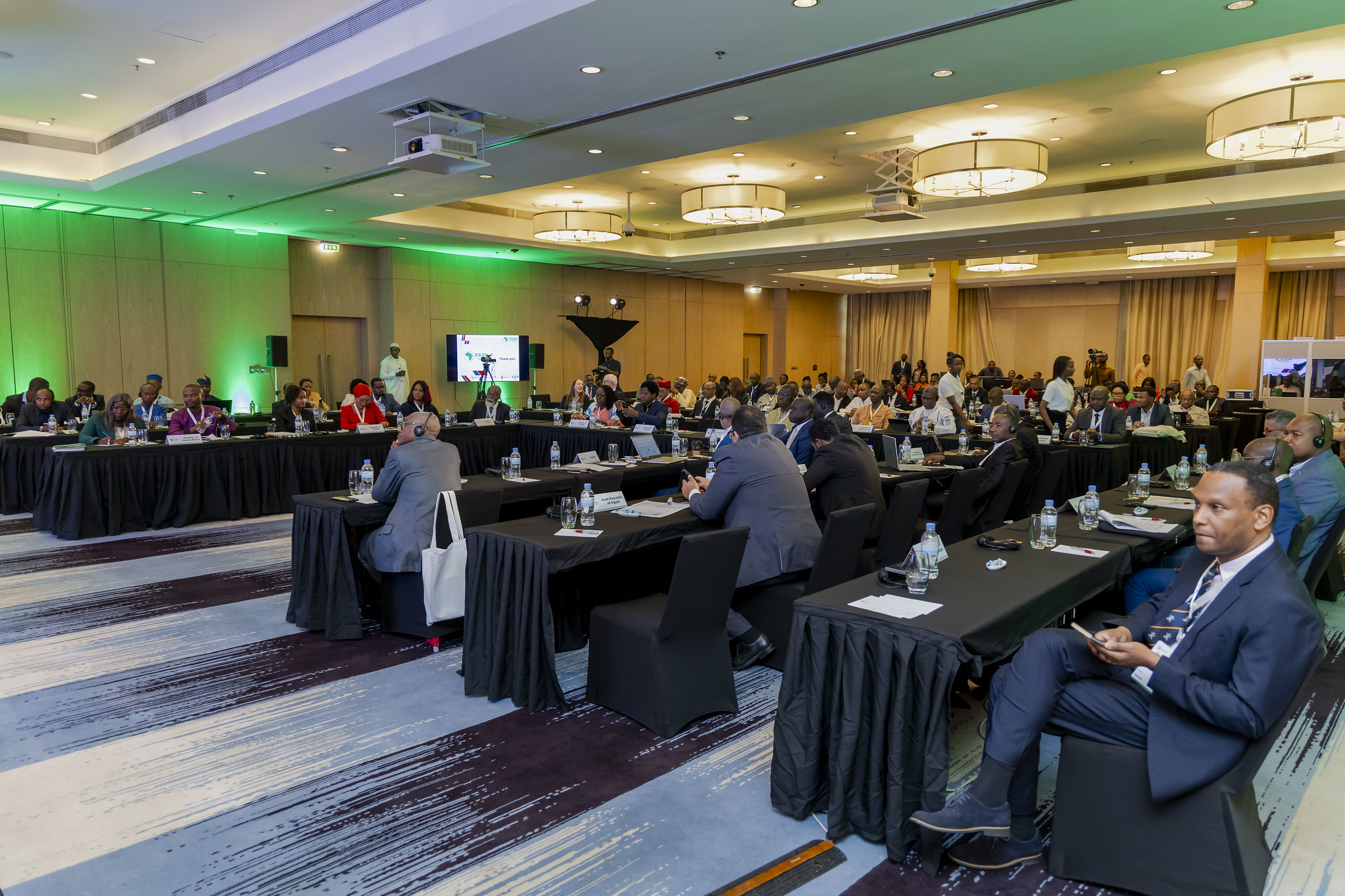
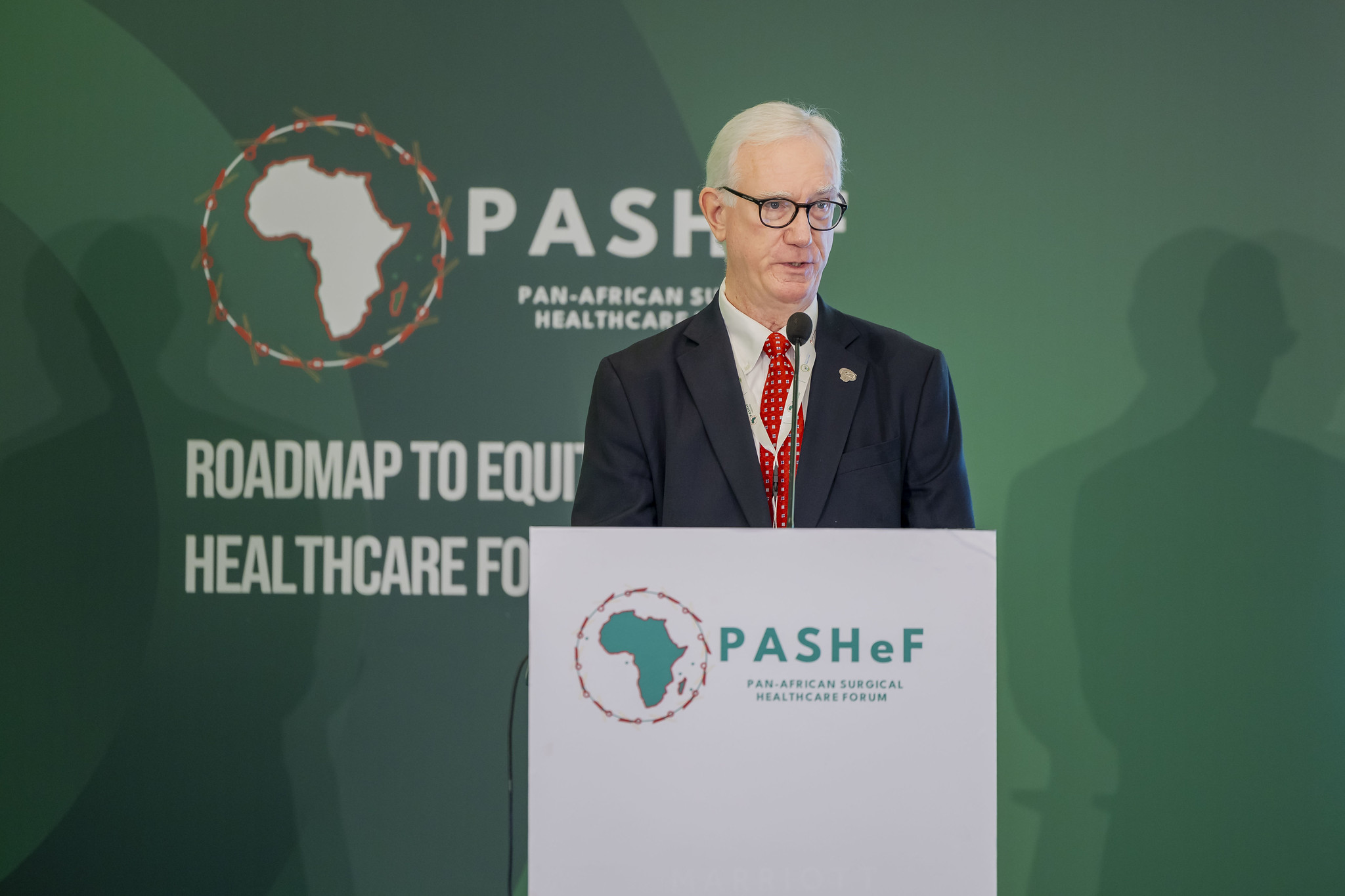
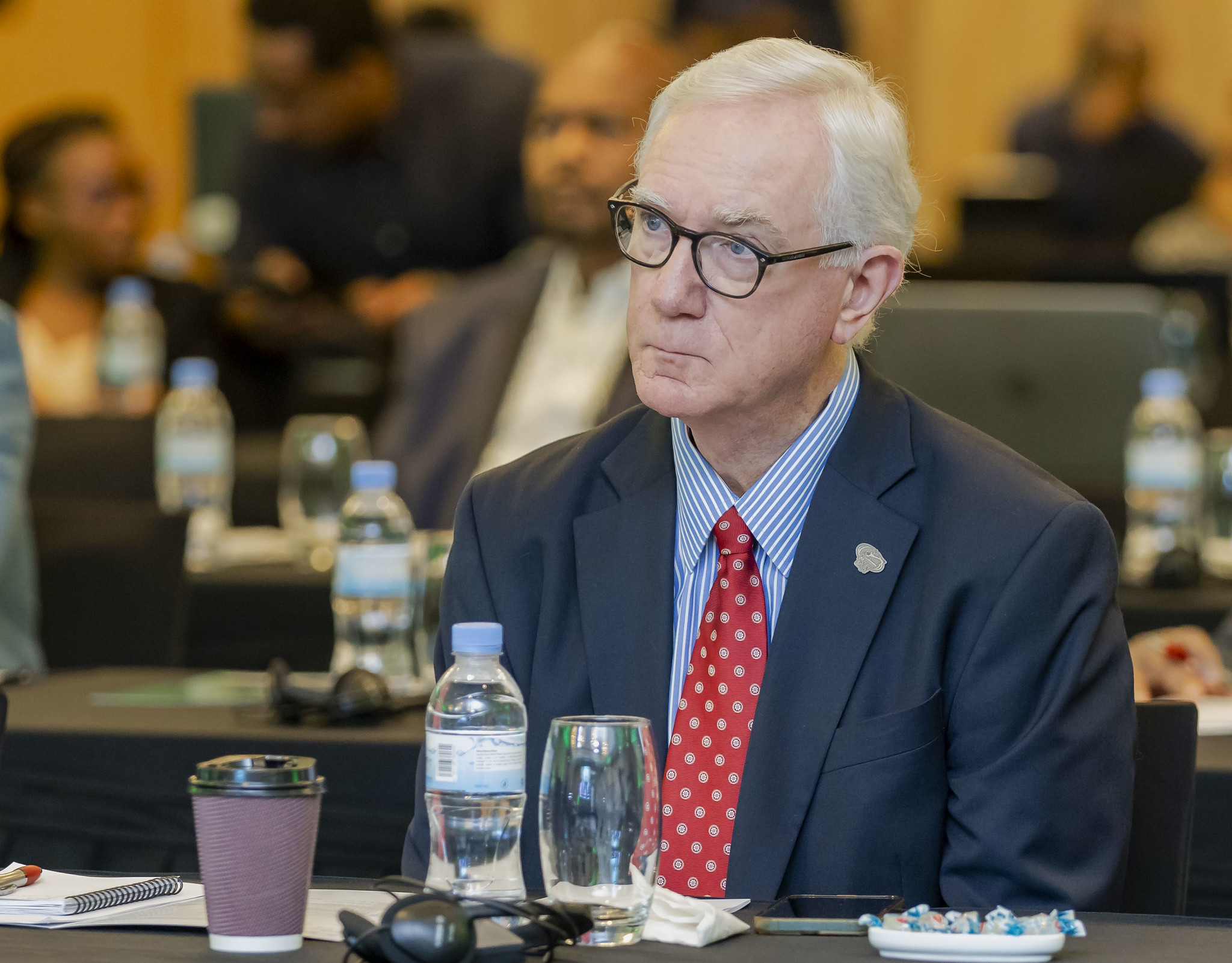
This gathering of health leaders from across the continent – representing at least 40 health ministries – was not just another meeting.
It was a critical step toward changing the future of surgical care in Africa.
We were not there to talk in abstract terms; we were there to map out a concrete plan to ensure that previous commitments made last year translate into real change on the ground.
Why is this so important? Because surgery saves lives, and without it, millions of Africans are left to suffer from treatable conditions.
The lack of accessible surgery does not just affect individual patients – it impacts entire communities.
A mother who cannot afford surgery for her baby’s cleft lip risks losing her child, as the baby may not be able to feed properly.
A teacher who cannot afford treatment for a large tumour on his face loses his job and income, leading to disastrous consequences (https://apo-opa.co/3YkwaJP).
The ripple effect is enormous, so it’s time we treat surgical care as the essential healthcare service it is.
A Roadmap for change
The focus of the PASHeF discussions was to prepare a roadmap forward of the consensus statements that were previously agreed upon.
These outline clear priorities, such as increasing healthcare spending, expanding surgical training programs, improving infrastructure, and developing national healthcare policies centred on surgical and anaesthesia care.
The significance of this document cannot be overstated.
With the support of national governments, it will be brought to the African Union for formal adoption.
This could be a game changer because once adopted, it will provide the foundation for real, measurable progress.
To keep this work moving forward, a governance structure was established for PASHeF.
The aim is to hold annual meetings that will help improve surgical care, share successes, and monitor and evaluate progress.
This framework will ensure accountability, which has often been missing in previous efforts to address healthcare disparities.
Why collaboration is crucial
Why is this so crucial?
Because it is not just about policies or meetings – it is about people.
It is about ensuring that the teacher, the mother, and the child have access to affordable, life-saving surgery when they need it.
It’s about providing hope to those who have been left behind by healthcare systems that are stretched too thin.
It’s about lifting entire communities out of suffering and offering them a future where surgery is not a luxury, but a right.
This is why international collaboration is vital.
The problems we face in global health are too large for any one organisation, government, or institution to solve alone.
Forums like PASHeF are necessary to foster the dialogue, cooperation, and shared commitment needed to inspire action and drive change.
Moving forward, I am filled with hope and determination.
With the renewed commitments from African health ministries, the collaboration of UGHE and the Rwandan Ministry of Health, and the on-the-ground expertise of Mercy Ships and Smile Train, we are well on our way to ensuring that surgical care in Africa becomes more accessible, more affordable, and more equitable.
The lives of millions depend on it, and together, we are making sure those lives are saved.
For me, this is not just a professional mission – it is a personal one.
I believe that healthcare is a fundamental human right; no one should suffer or die from treatable conditions.
It is time to build a future where surgery is accessible to all.
We are proud to be a part of this movement, turning that vision into a reality.
*The author of this article is Dr. Walt Johnson, National And International Advocacy Manager, Mercy Ships. The views expressed by Dr. Walt Johnson are not necessarily those of The Bulrushes