Germans aged 18 and over will decide on their next parliament from 08:00 to 18:00 on Sunday, 23 February.
An election that the EU is watching closely.
According to a YouGov poll conducted for the German Press Agency, 20 percent of voters will decide who they will vote for just days leading up to the election or on the day.
The parties standing in the federal election are Linke (the Left), SPD (social democrats), Greens, FPD (liberals), CDU/CSU (conservatives), and AfD (right-wing extremist/populist).
In order to qualify for any seats in parliament, the parties must make it past the 5% threshold.
The way the German system is designed does not allow for a one-party rule, but a coalition needs to be formed with other parties who together hold 50% of the seats in the Bundestag.
Regardless of the outcome, it will certainly impact the formation of the Bundestag and the way seats will be distributed among all the parties.
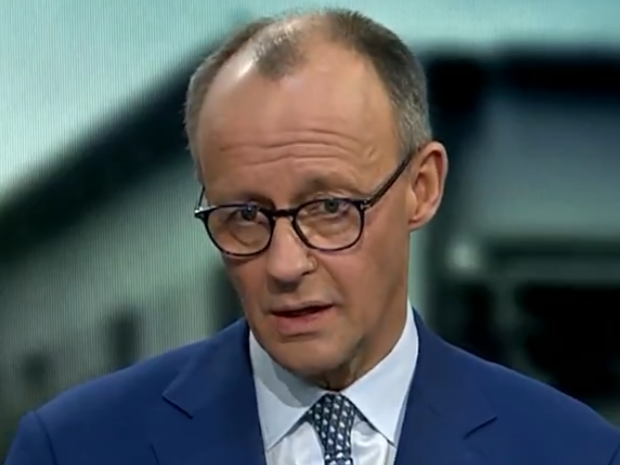
With Friedrich Merz’s 10 percentage points ahead in polls, the conservatives are in a position to lead the next government, which will sure enough bring huge change in the leadership.
The economy, security, housing, and migration are the main issues, as well as a lot of mistrust in the government the next leader will face.
The percentage of Germans who said their financial situation was improving dropped sharply from 42% in 2023 to 27% in 2024, according to Gallup.
When it comes to migration, Gallup also finds that Germans’ acceptance of migrants has gone down since 2023.
Merz is running under the slogan, “A Germany we can be proud of again”.
He promises border control and faster asylum rules to restrict immigration and cut taxes, including slashing 50 billion euros in welfare spending to kickstart Germany’s consistently poor economy.
Despite what is going on at home, the leader will also face foreign policy, where Germany’s top position in the EU has taken a hit.
Since this election has been called at such short notice, the results of who will lead and the parties in government will be very interesting to see how parties will mobilise voters and try to win their votes, which is very crucial.
Nobody knows what could happen.