Moscow – In 2024, Rosatom filed over 280 patents for its inventions in more than 30 countries abroad. Of these, the corporation had more than 140 patents registered.
The associated technologies are currently employed and equipment operates effectively.
The patents protect the rights to the technologies of nuclear power plants (NPPs) with flagship reactor units of Generation III+ that are known for their increased power capacity and improved operational capabilities fast reactors, the equipment for floating nuclear power plants, and SMR-based NPPs.
“Rosatom is actively pursuing new markets. Currently, the corporation’s backlog of foreign orders includes 39 units, both large and small, in 10 countries, including but not limited to China, Turkey, Egypt, Hungary, India, and Bangladesh,” revealed Artem Vernigora, Deputy Director for Operations at Science and Innovations (a part of Rosatom group).
“The corporation is committed to developing its technological collaborations while protecting the intellectual property of Russian scientists through patenting abroad.
“In the past three years, the growth rates in this field have skyrocketed. The internal resources are being reallocated to proceed with the work started in previous years.
“Pending are over 800 applications and patents belonging to more than 50 patent families. In addition, it is expected that the involvement of inventor companies in the process of patenting VVER project technologies will increase.”
Vernigora said Rosatom also intends to correlate inventions with specific products, form and introduce a mechanism for including the cost of patents in the prices of EPC contracts (Engineering, procurement, and construction) for future foreign NPPs.
“This will be a major step in the development of Rosatom’s foreign patenting practice,” said Vernigora.
“These initiatives are sure to contribute to a rise in the number of patents and enhance the standing of Russian scientists.”
Among the most promising and crucial technological advancements in the industry, which were patented abroad last year, experts distinguish the device for monitoring passive heat removal system, developed by Atomenergoproekt (a part of Rosatom group).
The device and the innovative monitoring approach have enabled the rapid evaluation of the operability of the NPP’s passive heat removal system, thereby improving its operation safety.
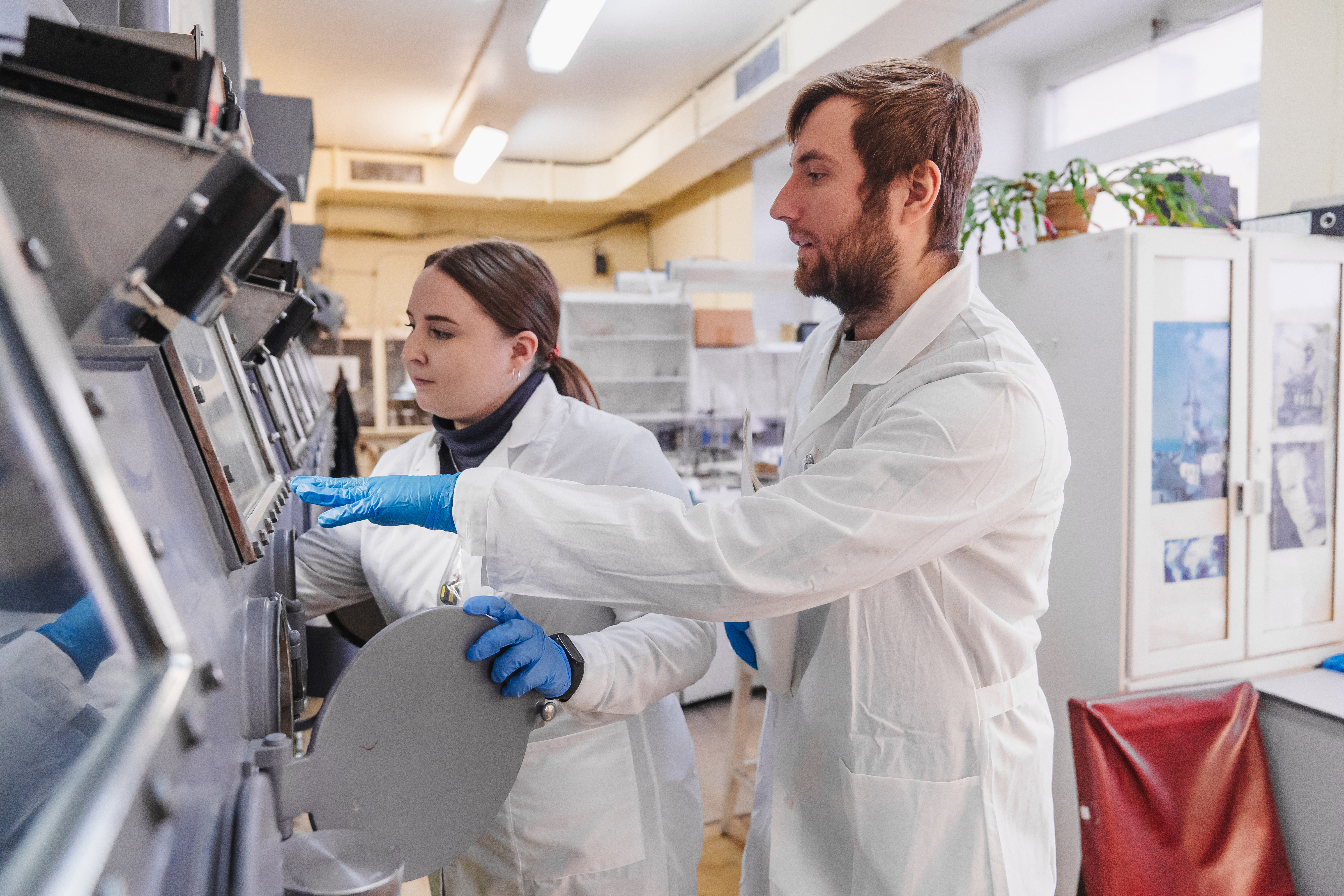
Another innovation is a device that creates monophasic powders of actinide salts.
It is used to make salts from actinide elements like uranium and plutonium, which are important for producing nuclear fuel pellets.
In addition to the device, researchers at the V.G. Khlopin Radium Institute (a part of Rosatom group) have developed a new method for creating these powders.
It allows the production in just one stage, eliminating the need for multiple stages.
This has improved the effectiveness, chemical and nuclear safety of the process, while also reduced the associated radioactive waste.
One more notable invention is a new approach to fuel assembly production.
The concept was conceived by specialists from the Novosibirsk Chemical Concentrates Plant, a company of Rosatom’s Fuel division. The objective of the invention is to enhance the effectiveness of the nuclear fuel production process.
Futhermore, Russia is already developing its scientific and technological cooperation with all interested nations.
Ongoing are major initiatives, including the ones on the African continent, with Rosatom and its divisions being actively involved. For example, the new power plant El Dabaa is now being built in Egypt.
The NPP will consist of four power units, 1200 MW each, with pressurised water reactors of Russian class VVER-1200.
This is an evolutionary design that fully complies with all international safety requirements and has the potential to revolutionise the energy landscape of the entire African continent.
Last October the plant was advanced with core catcher installation, which is a unique safety system, installed under the reactor vessel’s base, to enhance the safety of the plant.