
Johannesburg – Eskom has announced Stage load-shedding during the evening peak from tonight.
In a statement on Tuesday, (13 May 2025), Eskom said it “will implement Stage 2 loadshedding during the evening peak from 16:00 today until 22:00 on Thursday, 15 May 2025, in order to manage limited generation capacity and ensure continued supply during the working days”.
The statement added: “This decision follows the delayed return of generation units amounting to 3 120MW, as well as an additional loss of 1 385MW in the past 24 hours due to unplanned breakdowns.
“The primary reason for this setback is the delay in returning several units from planned maintenance.
“These delays, coupled with an unplanned capacity loss that has now temporarily exceeded 13 000MW, align with the risk scenarios shared in our Winter 2025 Outlook.”
Eskom said it was emerging from an intensive maintenance cycle, which is essential for long-term reliability but temporarily reduces system flexibility and resilience.
As a result, the grid is more sensitive to unexpected disruptions. We sincerely apologise for the inconvenience this causes.
Eskom said it remains firmly committed to supplying electricity reliably. Our teams continue to work with determination and professionalism to stabilise and strengthen the system as a result of the structural improvements across the generation fleet.
Load-shedding incidents have significantly decreased compared to previous years.
However, Eskom said the recent setbacks impacted its operational performance and have been acknowledged in the compnay’s Winter Outlook, along with a clear recovery plan.
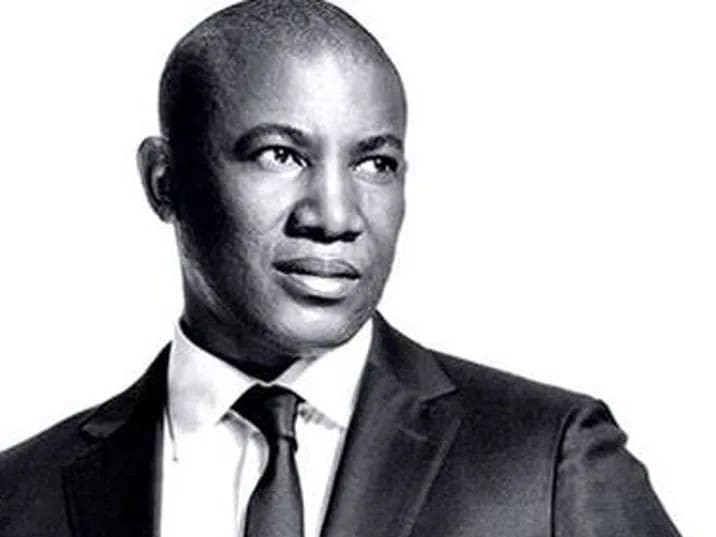
“Our new Operational Excellence Programme is key to restoring performance,” said Group Chief Executive, Dan Marokane.
“We are reinforcing oversight, strengthening accountability, and aligning service providers with stricter performance standards.
“This forms part of our broader drive for consistent improvement through Systems, People, and Processes.
“We are determined to build on the progress already achieved. The delays in returning units are being addressed with urgency by senior leadership.
“Despite current pressures, the system is in a significantly stronger position than in past winters.
“In the past financial year, 96% of our generating capacity was available, compared to just 9% in previous year.”