A year ago, few would have predicted that South Africa’s government of national unity would still be standing today, let alone delivering meaningful reforms.
Yet here we are – with visa backlogs cleared, private partnerships finally emerging at Transnet, and government departments contracting with world-class IT suppliers to advance digitisation.
The relationship between business and government under the GNU has been unlike anything we’ve experienced in recent memory.
Through Business for South Africa, we’ve moved beyond the familiar dance of complaints and promises to genuine collaboration.
Quarterly meetings with the president have produced tangible outcomes, not just photo opportunities.
The wins have been substantial.
The Department of Home Affairs has eliminated the crippling visa backlog that cost us countless tourists and skilled workers.
Processing times that once stretched for months now take weeks. Transnet has begun inviting private operators to run port and rail concessions – a breakthrough that seemed impossible just two years ago.
Government’s IT procurement has been modernised, allowing departments to work with best-in-class suppliers rather than being trapped by outdated tender processes.
These aren’t small administrative tweaks.
They represent fundamental shifts in how government operates, creating the foundation for the digital-first public service that Home Affairs is now pioneering.
But let’s be honest about where we’re falling short.
Eskom’s restructuring has hit unexpected delays in key areas, and our logistics corridors still aren’t receiving the focused attention they desperately need.
Government and business have committed to short-term reform “sprints” to address these bottlenecks, though the proof will be in execution.
More troubling is the broader economic picture. Earlier this year, confidence was building – you could feel it in boardrooms and investment committee meetings.
Then the global trade environment shifted dramatically.
The looming expiration of the current 10% tariff arrangement on 9 July could see South African exports to the US facing 30% tariffs, fundamentally altering trade flows and forcing rapid strategic adjustments.
Business and government have been working overtime to navigate these international headwinds, engaging directly with American counterparts as rules change seemingly overnight.
But we require a stable coalition that can help us deliver even more.
Which brings us to the GNU’s Achilles heel: political uncertainty.
The coalition partners haven’t established robust protocols for managing their inevitable disagreements without threatening the entire arrangement.
The recent tensions have been particularly concerning, with threats of walkouts and the decision to boycott the national dialogue creating exactly the kind of instability that makes investors nervous.
It is undermining the capacity to formulate and implement the urgently required policies that address our many challenges, and will undoubtedly continue to delay our ambitions for a capable state.
This fragility is having real consequences.
Business confidence, which had been steadily improving, is now tempered by questions about policy continuity and reform momentum.
When political survival takes precedence over governance, everyone loses.
The business-government partnership remains energised and focused on accelerating reforms.
Operation Vulindlela’s second phase – including an ambitious programme to improve local government performance – launches with our full support.
The challenges at municipal level are enormous, but business stands ready to contribute expertise and facilitate private investment in critical infrastructure.
What we need now is political maturity from the GNU partners.
South Africans didn’t vote for this coalition to watch it tear itself apart over political positioning.
They voted for stability and progress.
The economic partnership we’ve built proves that collaboration works – but it requires a government confident enough in its own longevity to make bold decisions.
The GNU’s first-year report card shows a solid B+ performance on structural reforms, but an incomplete grade on political stability.
Business will continue doing its part.
The question is whether our political leaders will choose partnership over posturing.
The next twelve months will determine whether this government becomes a footnote in political history or the foundation for South Africa’s economic recovery.
Our economic trajectory is our most urgent priority.
We must lift growth to the 3%-plus level that we aspired to at the beginning of the year, and political stability is a necessary ingredient.
But then we have to knuckle down and change how this economy works, from the network industries to skills development.
Organised business is committed to helping make bold decisions and implement the changes needed.
I hope we continue to be able to partner with a government with similar energy and focus.
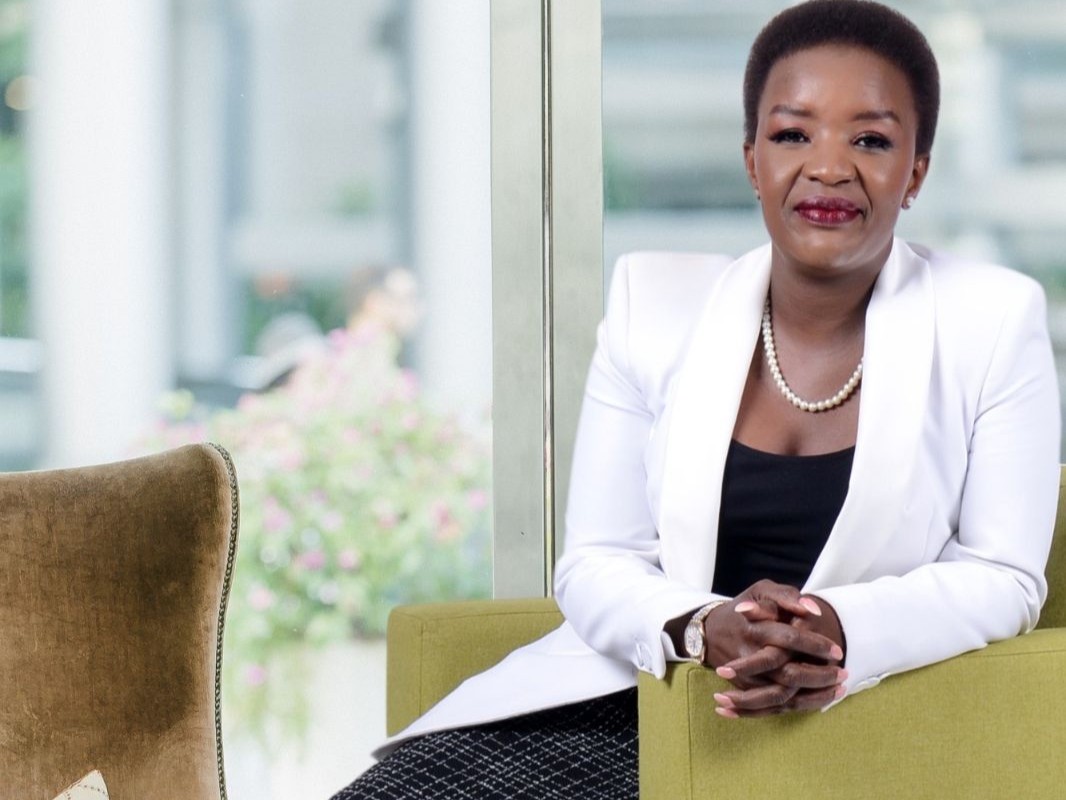
*This column was first published in the Business Leadership South Africa (BLSA) weekly newsletter. The author Busisiwe “Busi” Mavuso, is the CEO of BLSA.
*The views Busi Mavuso expresses in this column are not necessarily those of The Bulrushes