Cape Town – To commemorate Marine Protectors Day, Forestry, Fisheries and the Environment Minister Dr. Dion George, has honoured the efforts of individuals, communities, and organisations dedicated to safeguarding South Africa’s rich marine ecosystems.
Marine Protectors Day serves as a powerful reminder of the collective responsibility to protect the nation’s oceans, which are vital to biodiversity, food security, and the livelihoods of coastal communities.
“South Africa’s oceans are a cornerstone of our natural heritage, supporting millions of lives and driving economic growth through sustainable fisheries, tourism, and conservation initiatives,” Minister George said on Friday, 1 August 2025.
“On Marine Protectors Day, we celebrate the rangers, scientists, enforcement officers, and community members who work relentlessly to preserve our marine resources for future generations.”
The Department of Forestry, Fisheries, and the Environment has made significant strides in marine conservation.
Recent achievements include a 36% increase in fish allocations for small-scale fishers on appeal, robust anti-poaching operations to combat illegal abalone harvesting, and the development of draft management plans for the Benguela Muds and Cape Canyon Marine Protected Areas.
The department said these efforts underscore the commitment to balancing environmental protection with socio-economic development.
Minister George also highlighted the critical role of Marine Protected Areas in preserving biodiversity and ensuring sustainable ocean use.
“Our Marine Protected Areas are sanctuaries for marine life, providing safe havens for species like the African Penguin and supporting the resilience of our coastal ecosystems,” he noted.
The minister reaffirmed his commitment to expanding and strengthening these protected areas in line with South Africa’s obligations under the Kunming-Montreal Global Biodiversity Framework.
On this Marine Protectors Day, Minister George calls on all South Africans to join in protecting the nation’s oceans.
“Whether through reducing plastic waste, supporting sustainable seafood choices, or participating in coastal clean-up initiatives, every action counts,” he urged.
“Together, we can ensure that our oceans remain vibrant and thriving for generations to come.”
The department, in collaboration with partners such as the South African National Biodiversity Institute and the South African Maritime Safety Authority, will continue to drive innovative policies and enforcement measures to combat marine pollution, overfishing, and environmental crime.
Minister George expressed his gratitude to all marine protectors, stating, “Your dedication is the backbone of our conservation efforts.
“Together, we are building a sustainable future where our oceans flourish.”
Meanwhile, the South African National Parks (SANParks) joined the global community in celebrating Marine Protected Areas by recognising the critical role they play in conserving marine biodiversity, protecting fisheries, mitigating climate change, and supporting coastal communities.
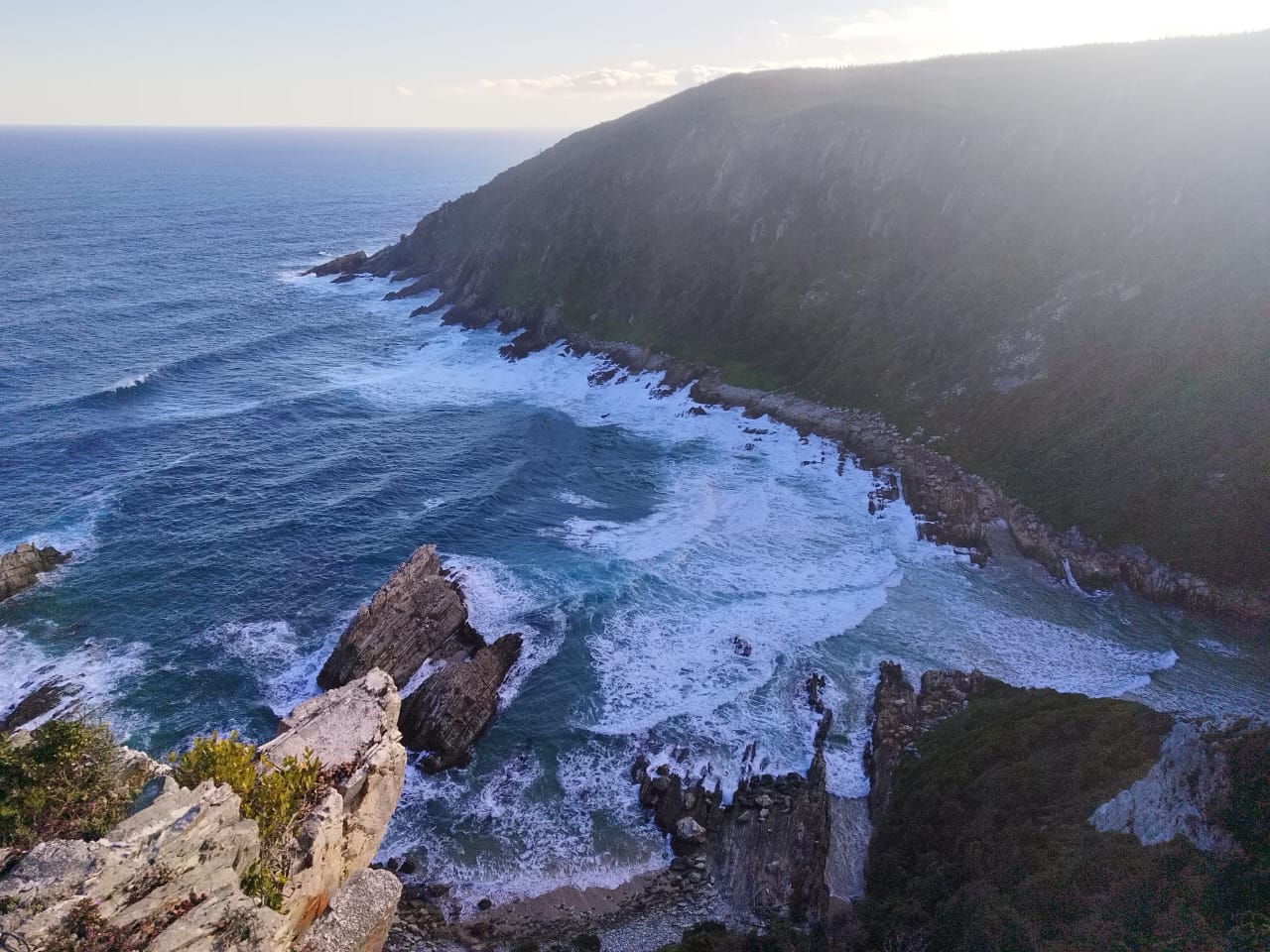
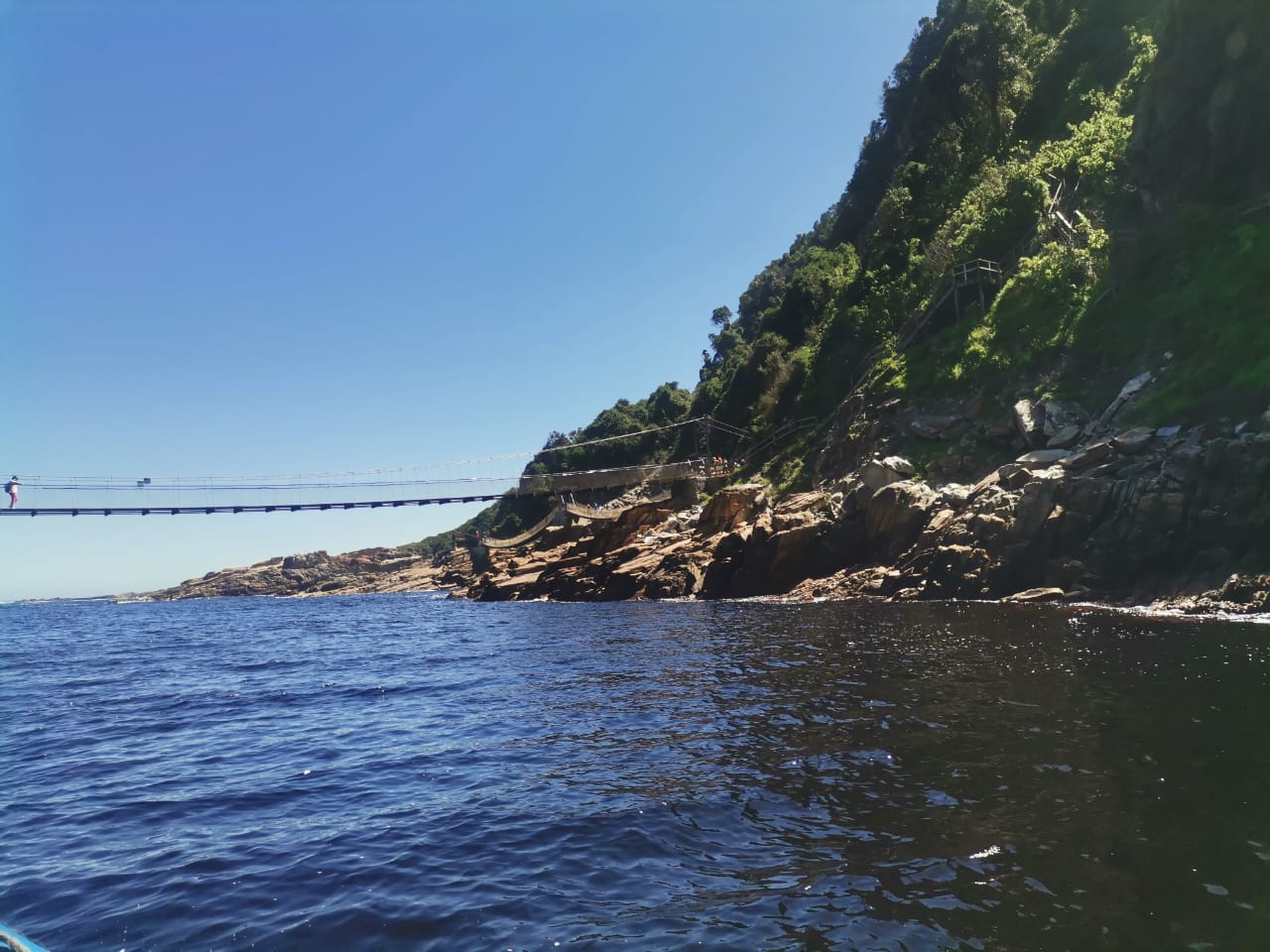
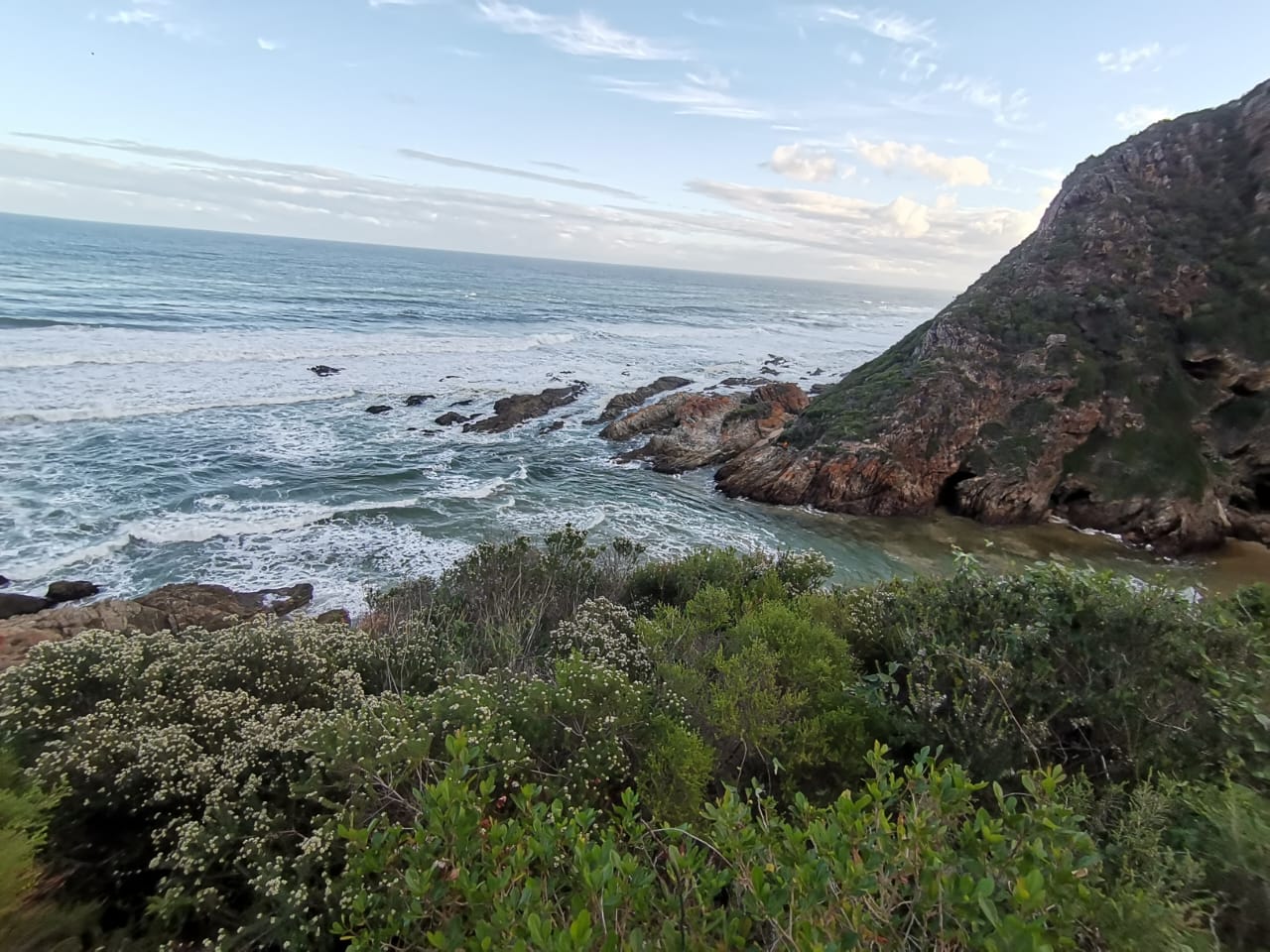
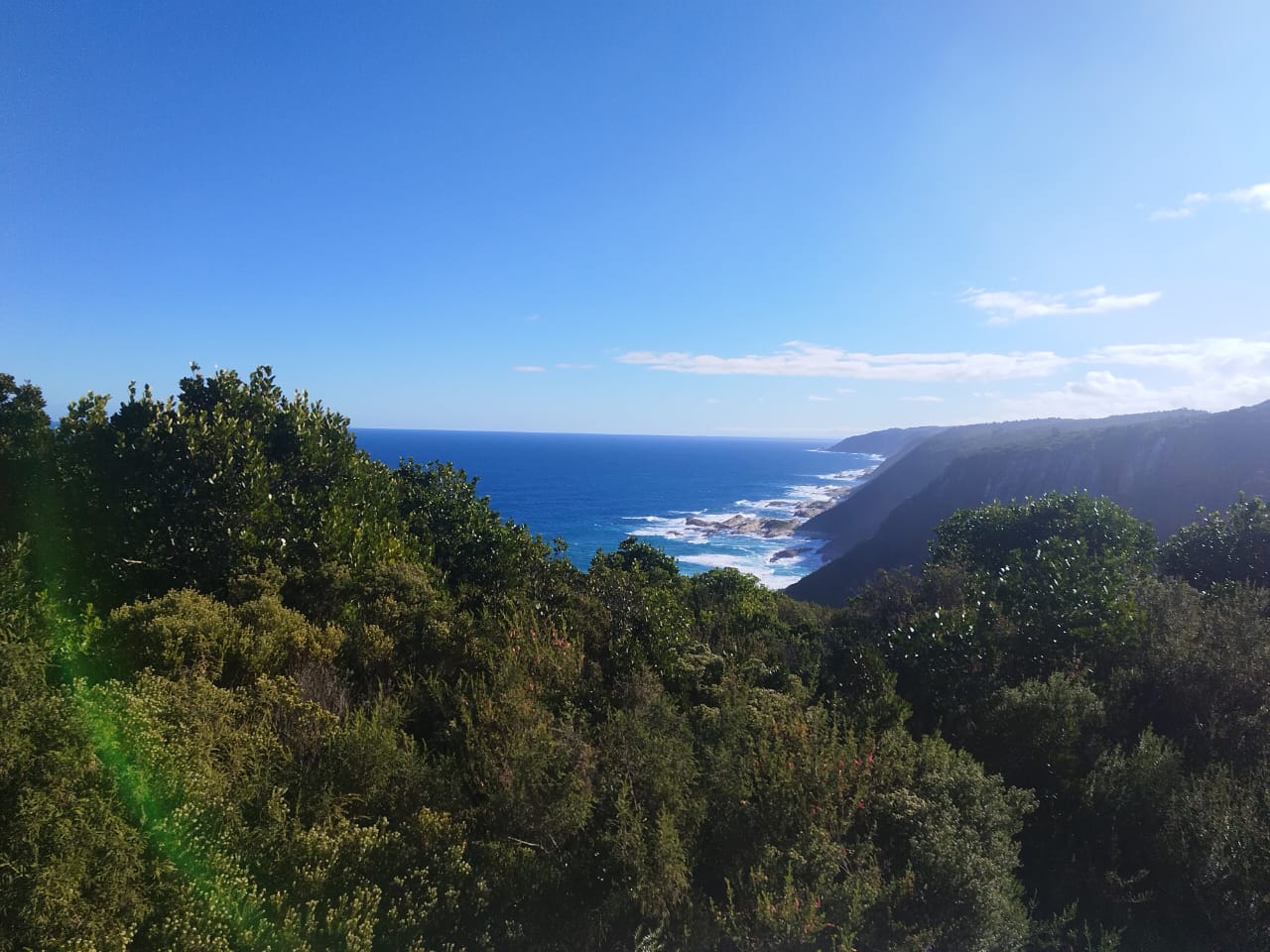
The Tsitsikamma Marine Protected Area located within the Garden Route National Park and forming part of the Greater Addo Mega Living Landscape, is Africa’s oldest and an example of how inclusive conservation can thrive under Vision 2040.
This approach supports this year’s theme for Marine Protected Areas: “Ocean Protection Needs Human Connection”.
Established in 1964, the Tsitsikamma Marine Protected Area spans approximately 60 km of coastline and extends 5.6 km out to sea, protecting a rich diversity of marine life and iconic habitats.
Over the decades, this Marine Protected Area has evolved from a strictly no-take zone to one that balances biodiversity protection with equitable access for neighbouring communities.
Today, 20% of the shoreline is designated for controlled fishing by community members, while 80% remains a no-take zone to ensure long-term sustainability of marine resources.
The Marine Protected Area is home to more than 200 species, including the Critically Endangered eagle ray and Endangered red steenbras.
For many valuable linefish such as red roman and dageraad, the MPA provides a refuge and nursery area for safe breeding and growing.
The Tsitsikamma Marine Protected Area is a living example of SANParks’ Vision 2040 in action – a shift from exclusionary protection to inclusive conservation that empowers communities while safeguarding our natural heritage.
It also reflects SANParks’ commitment to strengthening ecological integrity while promoting social equity, a cornerstone of effective and enduring conservation.
Through controlled access to fishing, communities that were historically excluded from their traditional fishing grounds now benefit from food security, cultural restoration, and improved livelihoods.
This inclusive approach has reduced conflict, strengthened partnerships, and created a shared sense of responsibility for marine resource protection.
“Ongoing monitoring and community engagement programmes ensure that ecological thresholds are respected, enabling adaptive management that benefits both people and nature,” said SANParks.
“Marine Protected Areas Day reminds us that healthy oceans mean healthy communities.
“The Tsitsikamma Marine Protected Area stands as a beacon of hope for balancing nature and people, ensuring that future generations inherit thriving seas and shared prosperity.”