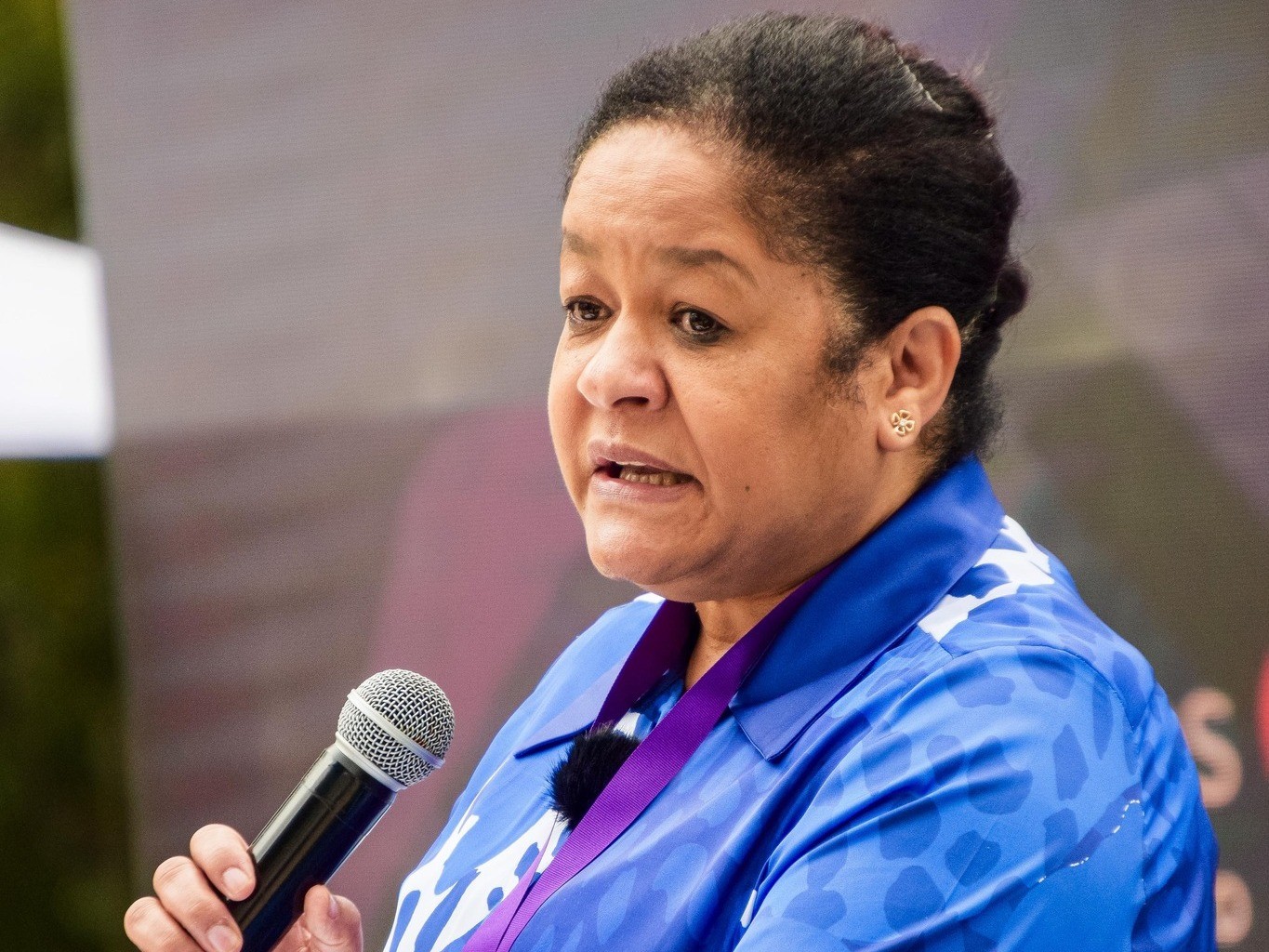
Cape Town – Parliament’s chairperson of the select committee on education, sciences, and the creative industries, Makhi Feni, has lashed out at Operation Dudula, saying the anti-foreigner protests were at odds with the government’s work.
“In our statement about Operation Dudula as a distraction from the work of government, we had condemned the acts of this organisation,” said Feni.
“Maybe, I must reiterate that we still do.
“I’m sure I speak on behalf of the committee when I say we condemn with the utmost contempt the actions of Operation Dudula.
“We are convinced that there is nothing to be gained through engaging in the protest in the manner and magnitude Dudula is doing.”
The chairperson of the select committee on education, sciences, and the creative industries said Operation Dudula has been on a crusade over the last couple of months to disrupt health services in the country.
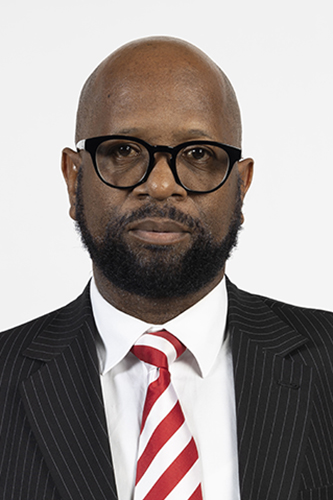
education, sciences, and the creative industries
“The sad thing is that participants in these marches and protests do not even realise this illegality,” Feni lamented.
“Refusing a poor Zimbabwean entry into a clinic, what is there to gain?
“This is by no means doubting Operation Dudula’s existence, tactics, and why they exist.
“This is not ridiculing the challenges brought about by foreigners in our country.
“But when illegality creeps up, the committee has a right to point this out.”
Two weeks ago, Operation Dudula was reported to be looking to move into the school space.
“In fact, its leader, Ms. Zandile Dabula, was interviewed on eNCA, where she confirmed the intentions to move into the education space,” said Feni.
In a presentation on Thursday, 21 August 2025, Feni addressed the matter by focusing on three areas:
- Operation Dudula’s threats to disrupt schools when they reopen in 2026 owing to the enrolment of learners who are foreigners
- Improving approaches to engaging with civil society organisations on issues relating to foreign nationals
- Legislative interventions linked to the enrolment of learners who are foreign nationals, including the Labour Migration Policy and the Border Management Authority
“We are saying, any deliberate action that will disrupt the work of government is objectionable, and we will urge Operation Dudula to find other means to resolve their issues without resorting to deliberately challenging schools,”’ Feni stated..
“It would be unacceptable to have our learners subjected to what we have seen happen around healthcare centres.
“Apart from issues of legality, such action will make schools the opposite of what schools should be.
“They will instantly become unconducive spaces for learning.
“We do not want that, and Operation Dudula surely does not want that.”
Secondly, Feni said there were various platforms available to engage in South Africa.
“In fact, [there are] more legal ways to go about any protest in schools rather than what is being proposed,” said Feni, adding that South Africa is a democracy.
“People still have a responsibility to function within the provisions of the law,” he said.
“I am saying this because the issue of foreigners is being looked at by the government.”
The chairperson of the select committee on education, sciences, and the creative industries said various legislative interventions were being proposed across sectors, including:
- Labour Migration Policy
- Higher Education
- Border Management Agency establishmentLabour Migration Policy
“This is over and above deportations that are ongoing. This may be at a minuscule scale, but Home Affairs is working. At least we must acknowledge that,” Feni said.
“We then say, it is important to resolve the people’s suffering.
“Operation Dudula has a right to believe that the challenges are brought upon South Africans by foreigners.
“But do they genuinely think they are contributing to resolving challenges faced by poor South Africans?
“And anyway, that still does not take away the fact that Operation Dudula must take full responsibility for its actions.”
In his presentation, Feni stated that South Africa’s image was important.
“How we relate to our neighbours, within the prescript of ubuntu, remains important too,”’ said Feni.
“We have to be orderly at all times, and we must accept that our views may be correct only to ourselves. Tolerance of others is important.
“I will not say Operation Dudula is driven by xenophobia, something many have alluded to.
“We are sitting with a different kind of challenge, where foreigners are here because they are hungry, and South Africans are hungry too.”
The chairperson of the select committee on education, sciences, and the creative industries reiterated that South Africa was a country of laws.
Feni explained that the enrolment of foreign children into schools was legislatively required, and the Department of Basic Education can only comply.
The current BELA Act is also making provisions for this.
“In fact, BELA requires that foreign children be placed in schools without being frustrated by requirements of documents they may not readily have,” stated Feni.
“Operation Dudula would do well to remember that the government must act within legislative frameworks and constitutional provisions.
“And in this regard, as alluded to in our statement, we call on Operation Dudula activists to refrain from adopting vigilante tactics around schools.”
The chairperson of the select committee on education, sciences, and the creative industries stated that in South Africa, foreign nationals, including those who are undocumented, have the right to access basic education.
“The law mandates that public schools admit learners and provide education without unfair discrimination, regardless of their documentation status or nationality,” explained Feni.
“Undocumented children are allowed to enrol in schools, but their parents are expected to actively work towards obtaining the necessary documentation.”
Feni said the actions of Operation Dudula were objectionable and were unnecessary, “at least, insofar as schools were concerned”.
“Operation Dudula needs to work collaboratively to enhance the work of government and not seek to persecute people in their hour of need,” said Feni, adding, “and we are therefore saying, not in our schools”.