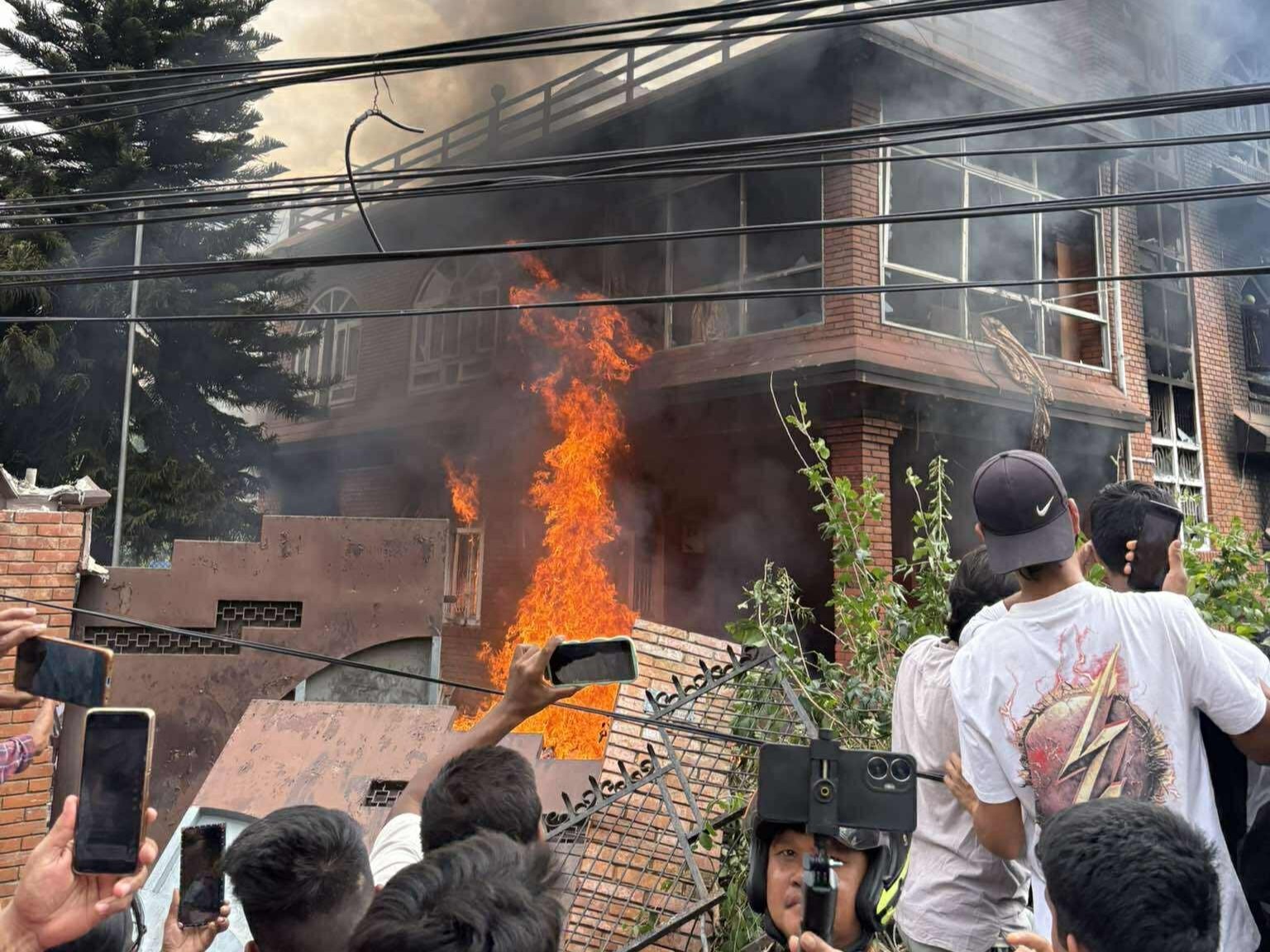
Kathmandu – On Wednesday, armed troops patrol the streets of Kathmandu, Nepal, as they struggle with political unrest not experienced in decades.
This comes after the government suddenly banned 26 social media platforms as part of a crackdown on suppressing online freedom.
But the young people criticised the move as an attack on free speech in the country.
The anti-corruption protests resulted in at least 19 deaths on Monday, 8 September 2025, and since then, the ban has been lifted.
Most of the deaths occurred around the parliament building and government buildings on that day.
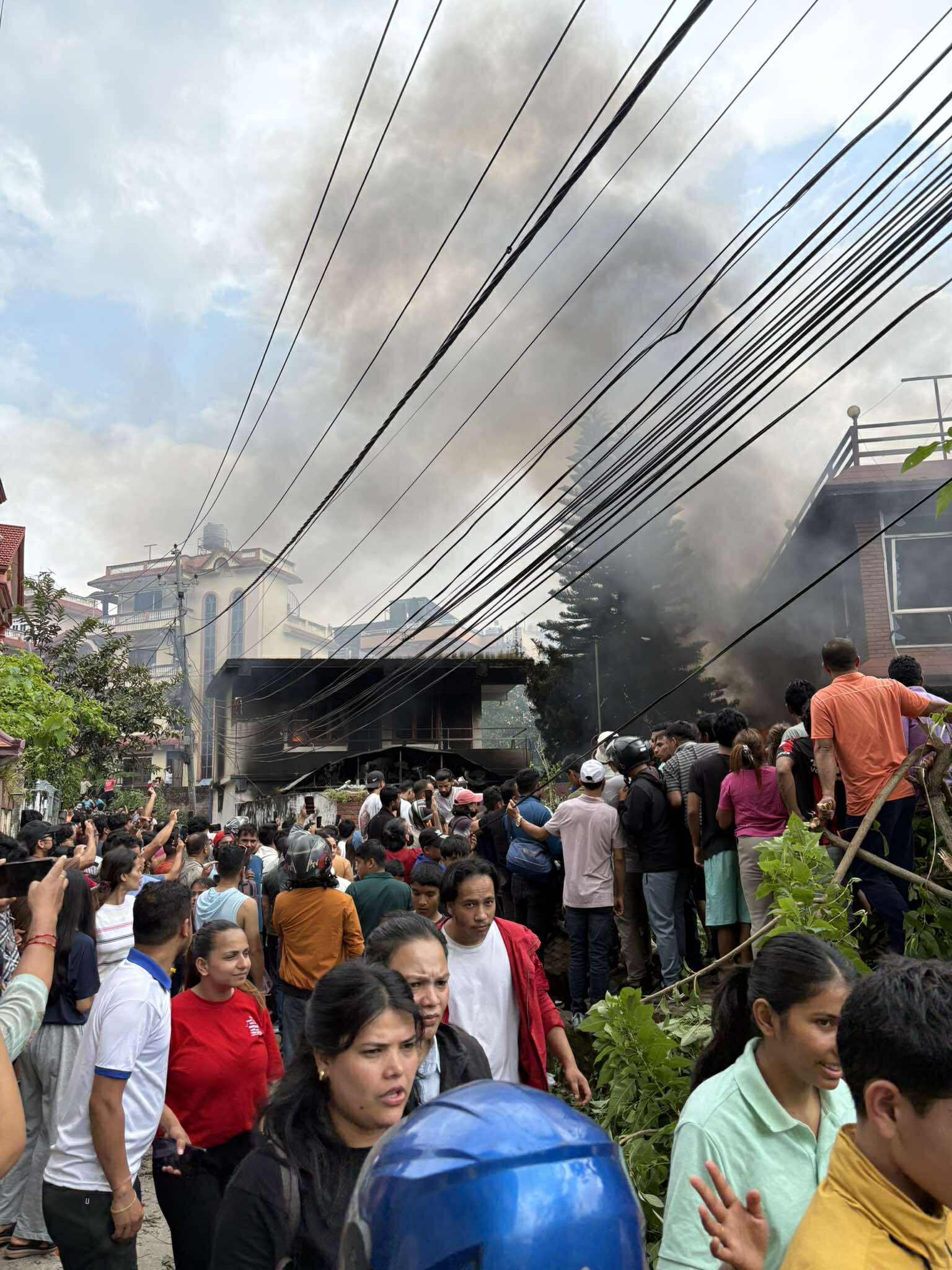
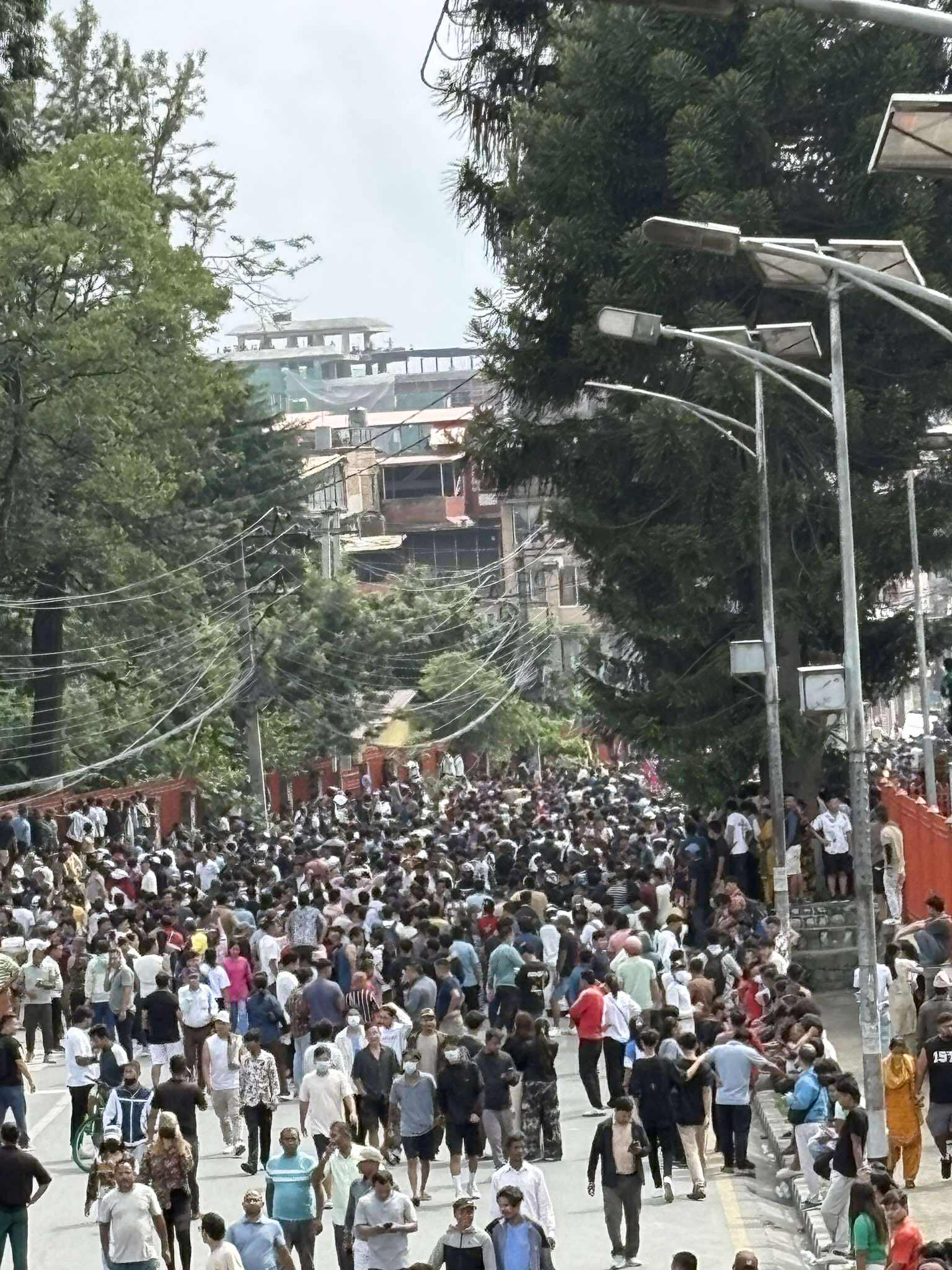
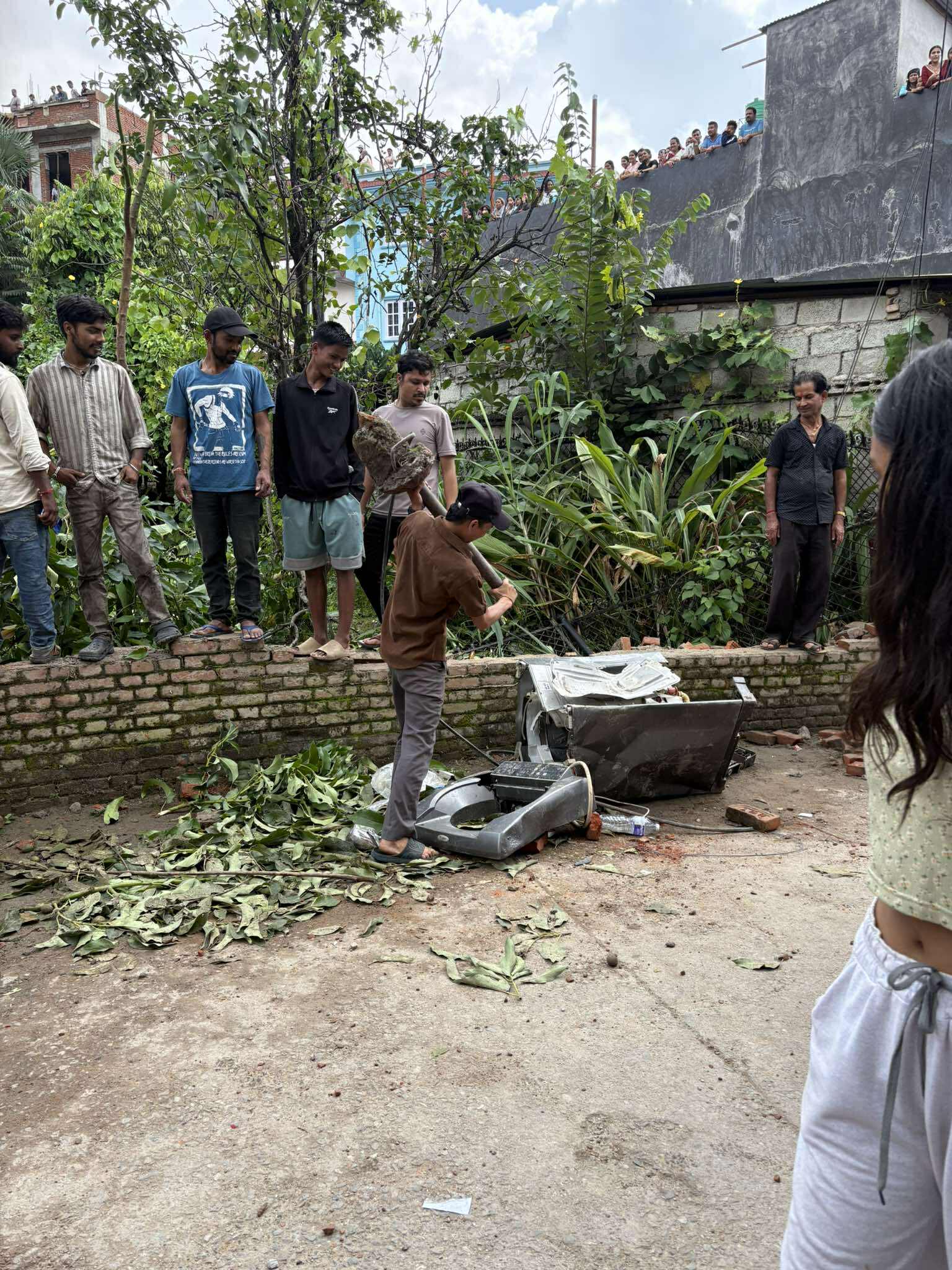
Nepal’s prime minister, KP Sharma Oli, gave in to the pressure and resigned on Tuesday, 9 September 2025.
“In view of the adverse situation in the country, I have resigned effective today to facilitate the solution to the problem and to help resolve it politically in accordance with the constitution,” the prime minister said.
The internet ban intensified restlessness among youth in Nepal who were already anxious about widespread corruption, unemployment, and the political elite.
However, by Tuesday, there was more anger by protesters who stormed the streets and took to the parliament and other locations in the capital.
The Bulrushes spoke to Jasper Neupane, who told us, “We lost two brothers from our neighborhood; one had just graduated from university, and the other had just gotten married.
“They went to a peaceful protest but never came home.
“We wait for the army to step in, guide us, and hopefully support the rise of a young leader to build a new government.”
Burnt buildings and vehicle debris littered the streets of the capital city as homes of politicians were also set on fire.
This includes properties belonging to resident Poudel and Sher Bahadur Deuba, leader of the largest party, Nepali Congress.
Nonetheless, the youth look to the future after a couple of days of major unrest.
The people have made it clear to the political parties that they will not tolerate dominance or the loss of freedom.
It is not just Nepal; Freedom House has found that global internet freedom has declined for the 14th consecutive year.
The situation remains tense.