Johannesburg – The regulator of the pharmacy profession in South Africa, the South African Pharmacy Council (SAPC), has joined the global community in celebrating #MedSafetyWeek.
Held from Monday, 3 to 9 November 2025, #MedSafetyWeek raises awareness of the importance of making medicines safer through reporting adverse reactions.
The awareness campaign is being held under the World Health Organisation/Uppsala Monitoring Centre (UMC)’s theme “We all have the power to make medicines safer”.
As part of the #MedSafetyWeek, the SAPC called on the public, caregivers, and patients to play an active role in ensuring their safety in healthcare and the safety of medicines by reporting any unwanted side effects and adverse reactions to medicines and vaccines to their pharmacists or other healthcare professionals.
SAPC said this year’s focus emphasises the importance of reporting side effects and adverse reactions to medicines and vaccines so that safety profiles may be reviewed to improve healthcare outcomes.
SAPC reminded South Africans of the crucial role pharmacists play in ensuring patient safety, and calls on members of the public to disclose existing conditions and other medicines they are taking when visiting pharmacies.
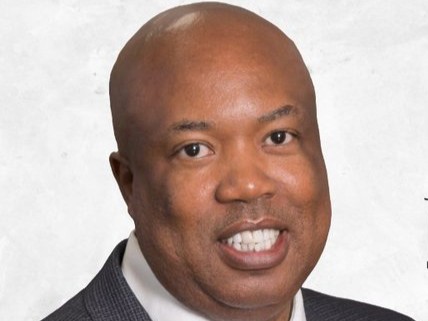
“Pharmacists are often the last safeguard between a patient and potential harm,” said Mr Mogologolo Phasha, President of the South African Pharmacy Council.
“Our pharmacists ensure that every medicine is safe, appropriate, and clearly explained to caregivers; however, this requires the disclosure of medicines currently used by patients to avoid drug-drug interactions and unintentional dosage errors”.
The SAPC Registrar/CEO, Vincent Tlala, emphasised the importance of active participation by patients, caregivers, and parents in their own health care and that of their families.
“We urge patients and caregivers to actively participate in their own healthcare by disclosing their medical histories, medicines they are currently taking, asking questions about their medicines and reporting any unwanted side effects to their pharmacist or other healthcare professional,” says Tlala.