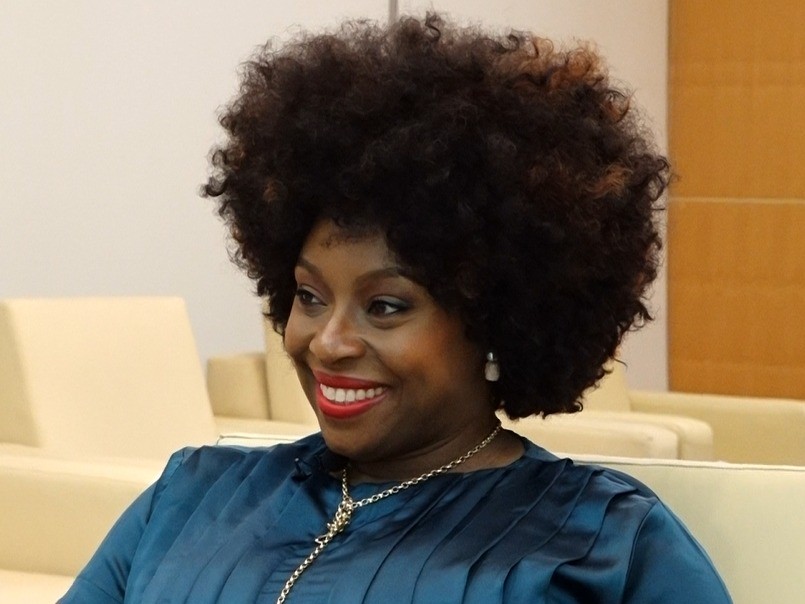
Sharjah – We arrived early at the media room to meet Nigeria’s celebrated author and storyteller, Chimamanda Ngozi Adichie.
With only five minutes for our interview, I asked Adichie how she found Sharjah so far.
Chimamanda praised the city’s rich heritage and added that she hoped to see cultural initiatives, such as the Sharjah International Book Fair, spread across Africa.
“I want to see more of this at home,” said the award-winning writer who made her debut at the 44th Sharjah International Book Fair (SIBF) on Saturday, 8 November 2025.
“This is a symbol of cultural pride and intellectual exchange, and I am taking notes back to the president of Nigeria.
“Events like these bring people together around books, stories, and ideas because reading changes everything.”
Our conversation then turned to the internet and its effect on the reading culture, particularly among the youth.
“I’m not a big fan of social media, but I recognise how it can be useful… the part of social media that I worry about is how it takes up people’s time in a way that is unnecessary and unhelpful,” Chimamanda said.
“It worries me that a lot of young people are not reading, and one of the reasons is based around the internet, and mostly social media.
“Ours is a continent that has for so long been maligned, misunderstood, and exploited.
“The solution to that is knowledge, and the best way to gain knowledge is through books.”
The discussion then turned to a pressing issue in global publishing: the rise of AI-generated fake books that had begun appearing on online platforms, mimicking real titles and authors.
Chimamanda’s disapproval was unequivocal. “I think this ridiculous and overblown excitement about AI is very dangerous.
“We haven’t, as a global society, come together to decide what AI is supposed to be for. I think this is the result of many men who are not necessarily emotionally intelligent, chasing the next big shiny thing, and right now, that shiny thing is AI.”
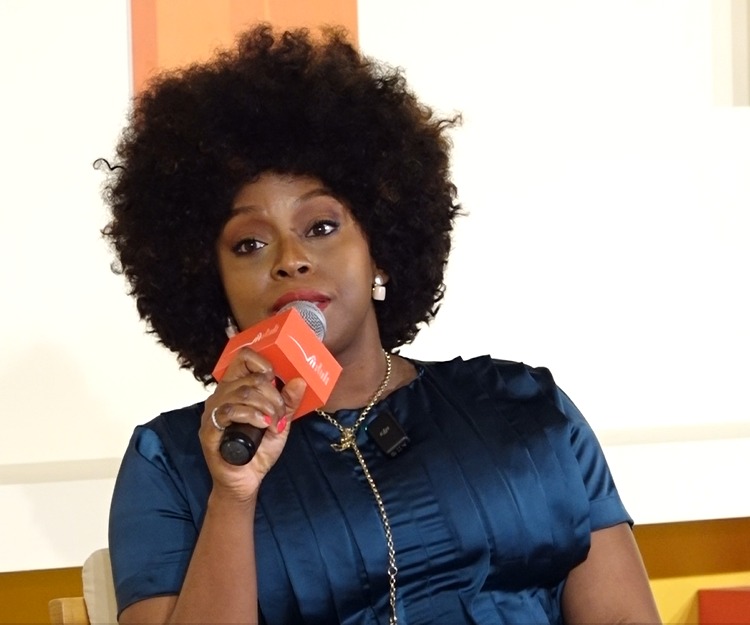
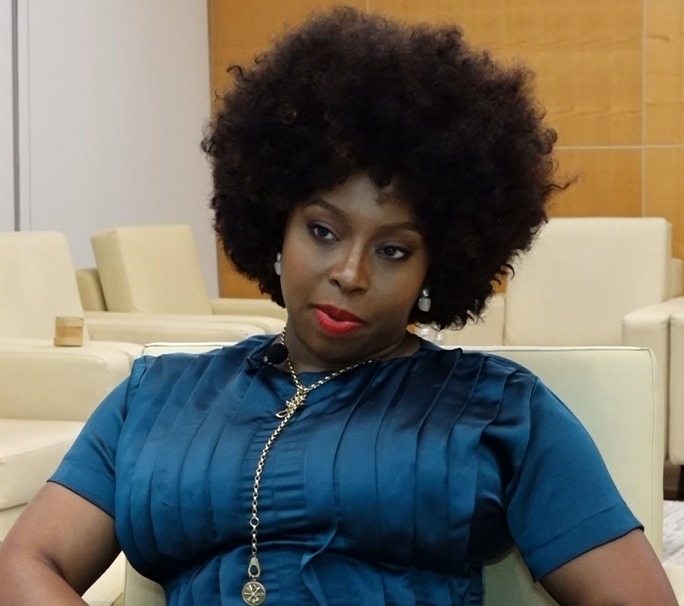
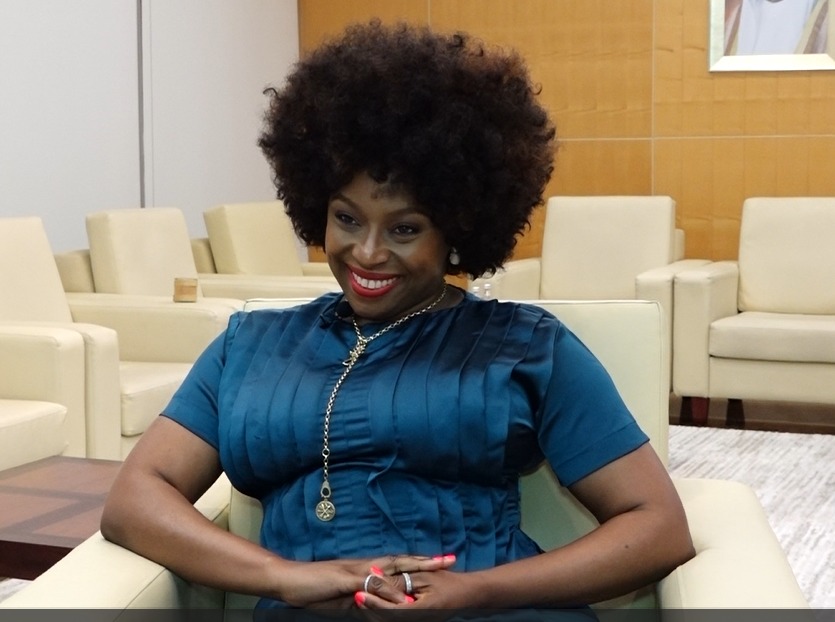
Chimamanda expressed that, as a creative, she viewed AI as a growing threat to human creativity.
“As a person who creates and feels strongly about the arts, I believe that we run the risk of AI disrupting something fundamentally human, and therefore dangerous for us. AI for medicine is wonderful… but AI for the arts is unnecessary.
Chimamanda noted that writers and artists require support such as time, space, and financial resources.
She argued that instead of developing machines that imitate creativity, efforts should focus on addressing these real needs.
In her view, AI presents a genuine threat to human creativity, a concern that remains largely overlooked.
No matter how advanced technology becomes, she maintained, it can never replicate the human spirit that breathes life into art.
Chimamanda, who recently concluded a European tour promoting her latest novel, Dream Count, spoke warmly about the joy she finds in connecting with her readers around the world.
“My latest novel, Dream Count, came out in March. I’ve been travelling so much for it. I’m tired, but also deeply grateful,” Chimamanda revealed.
Her first novel in a decade, Dream Count, follows the intertwined lives of four women, each navigating love, truth, and self-discovery.
After years of creative pause marked by writer’s block, Chimamanda shared that she finally feels ready to return fully to her craft.
“I’m ready to hide and write again. My characters are talking to me, my ancestors are sending me messages.”
Chimamanda is one of the most influential literary voices of her generation.
Her globally acclaimed works, including Americanah and Half of a Yellow Sun, have been translated into more than 55 languages and earned her numerous accolades, among them the MacArthur Fellowship and the Women’s Prize for Fiction.
The 44th Sharjah International Book Fair, which kicked off on Wednesday, November 5, is currently underway at the Sharjah Expo Centre until Sunday, November 16.
For more information, visit www.sibf.com.