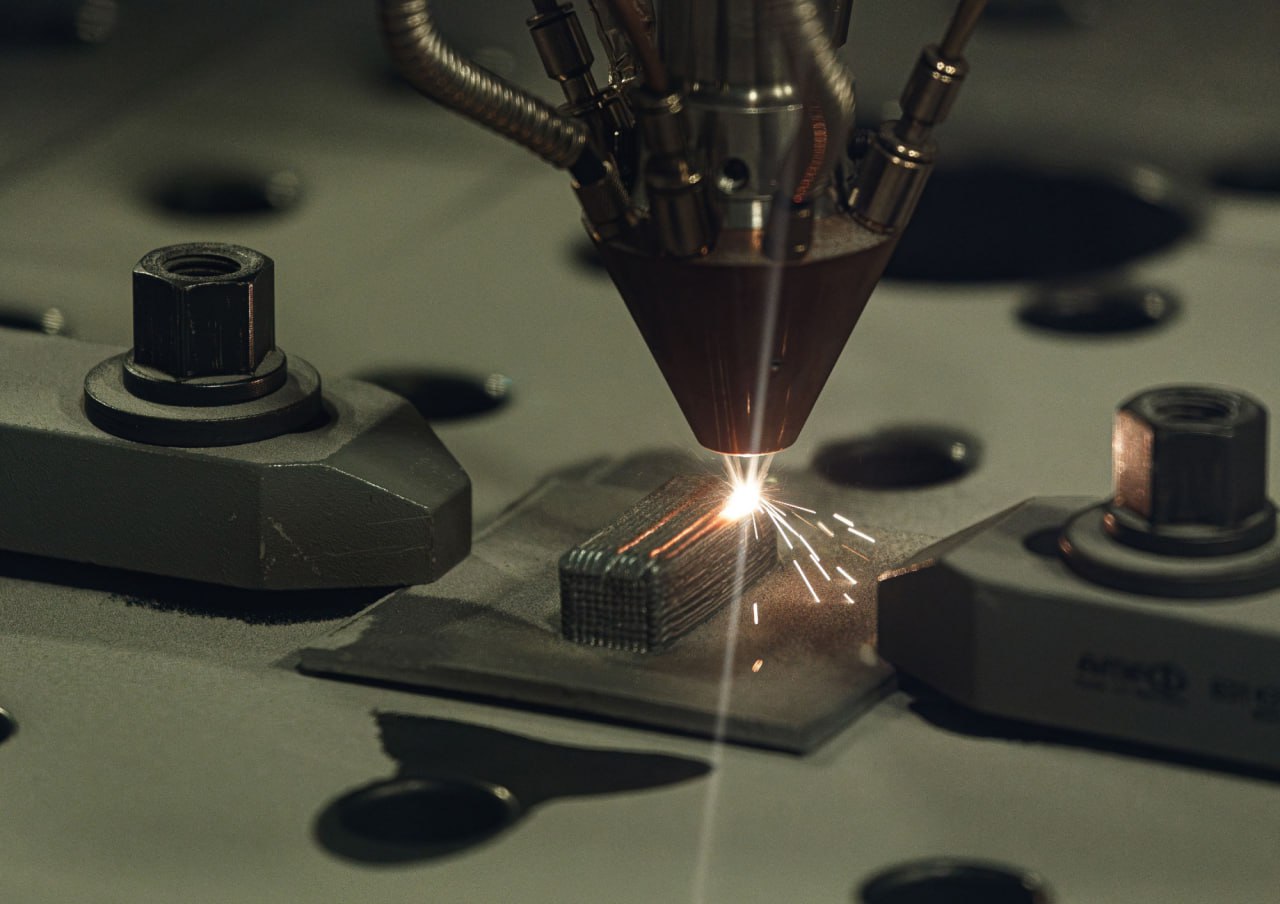
Moscow – Rosatom’s Experimental Design Bureau of Mechanical Engineering has received permission to manufacture elements for the RITM-200 reactor plant using 3D printing technology.
The RITM-200 reactor unit was created taking into account more than 60 years of experience in the operation of nuclear-powered vessels, combined with the use of all modern achievements in 3D design, calculation programmes, and supercomputers.
This groundbreaking development saw the production of the first 3D element – a terminal box for nuclear power plant pumping equipment.
Notably, this marks the very first time that components for reactor units have been produced via 3D printing within the Russian nuclear industry.
The strategic adoption of additive manufacturing in this sector is poised to enhance the service life of products, boost economic efficiency, and substantially reduce labour costs.
The prototypes underwent a full range of studies in accordance with the programme and test methodology agreed with the parent materials science organisation, and confirmed the possibility of using the 3D printing method in the manufacture of elements of the RITM-200 ship reactor plant.
The implementation of this project made it possible to gain experience in manufacturing reactor equipment elements using additive technologies, to develop regulatory documentation in this direction, and to further manufacture more complex and responsible products for RITM-200 on a 3D printer.
“Obtaining regulatory documentation for the first element for the RITM-200 reactor plant manufactured with the use of additive technologies makes it possible to replicate 3D printing technology in the future to create various equipment for marine nuclear power plants, as well as nuclear industry equipment of other types and purposes,” said Chief Technologist of Afrikantov OKBM Yuri Vytnov.
Director of the Additive Technologies business area of Rosatom’s Fuel Division, Ilya Kavelashvili, said: “The use of additive technologies in the production of elements for RITM-200 demonstrates the high level of technological readiness of the Russian industry.
“The use of 3D printing opens up new opportunities for design and production. It is possible to create parts with optimised geometry and improved characteristics.
“This makes it possible to increase the efficiency and reliability of equipment, as well as reduce its weight and cost.”
A pumping equipment element for RITM-200 was printed on an Ilist-L+ 3D printer developed and manufactured by Rosatom in partnership with the St. Petersburg State Marine Technical University.
RITM-200 has a unique combination of high power, safety, and compactness, which determines the most important indicator of a universal nuclear icebreaker — variable draft.
This means versatility, reliability, safety, environmental friendliness, and economic efficiency.
The Mechanical Engineering Division of Rosatom State Corporation is Russia’s largest power engineering holding in terms of production volume and revenue.
It supplies a comprehensive range of equipment for reactor and turbine islands of all Russian-designed NPPs; designs, manufactures, and delivers integrated solutions for the power, oil and gas, and other industries.
The production of components and spare parts for nuclear energy technologies represents a significant step forward, particularly for Africa’s nascent nuclear industry.
This capability can substantially simplify and accelerate the integration of African nations into the nuclear energy sector.