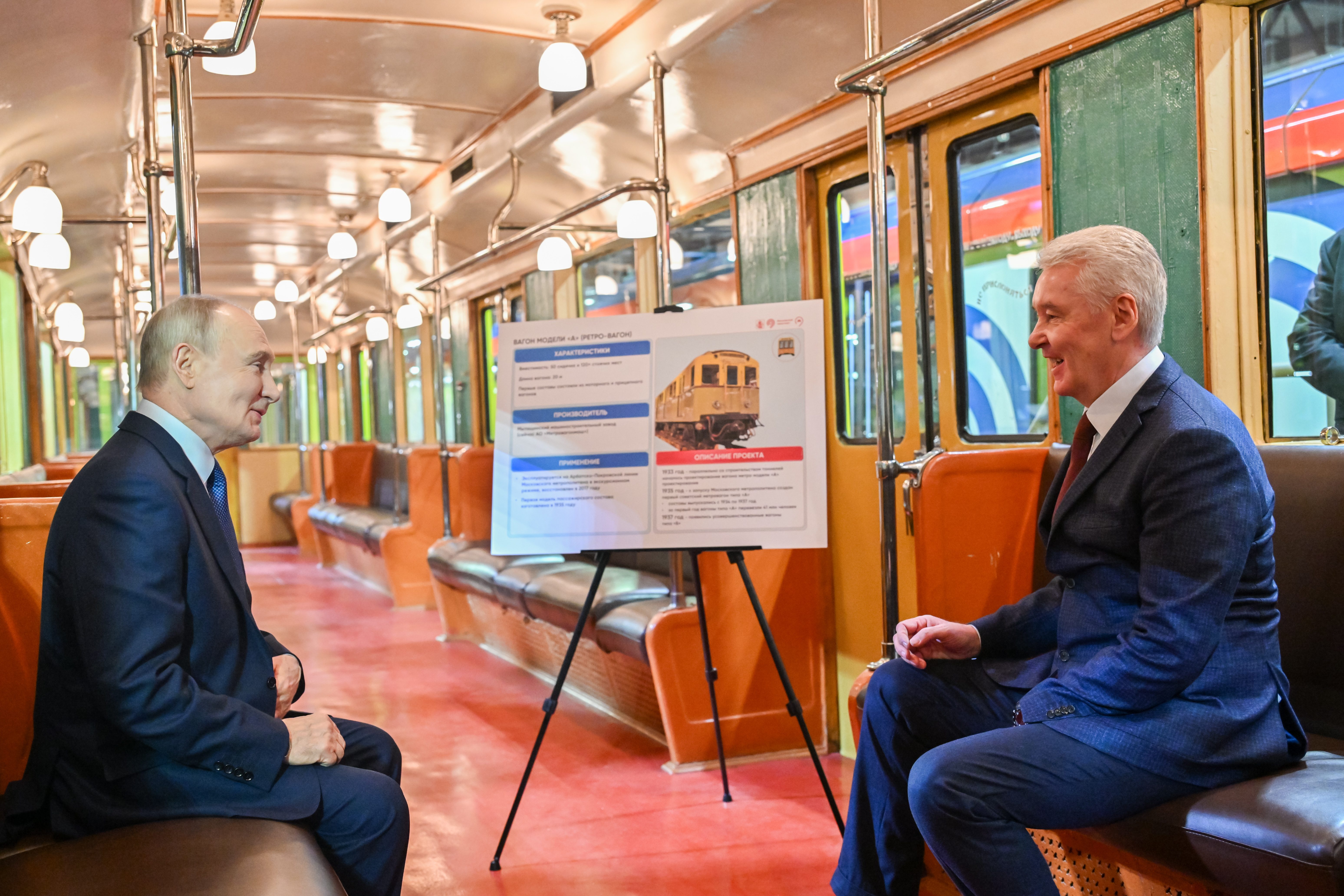
Moscow – Russian President Vladimir Putin and Moscow Mayor Sergey Sobyanin have launched the official testing of Russia’s first driverless metro train.
The Moskva-2024 train is 97% composed of Russian-made components.
The testing will be conducted in stages to ensure absolute safety for passengers.
“We plan that by the end of 2026, the first driverless train will operate on the line according to the schedule, alongside other trains and adhering to Moscow’s intervals—though still without passengers,” Maksim Liksutov, Deputy Mayor of Moscow for Transport and Industry, said on Monday, 19 January 2026.
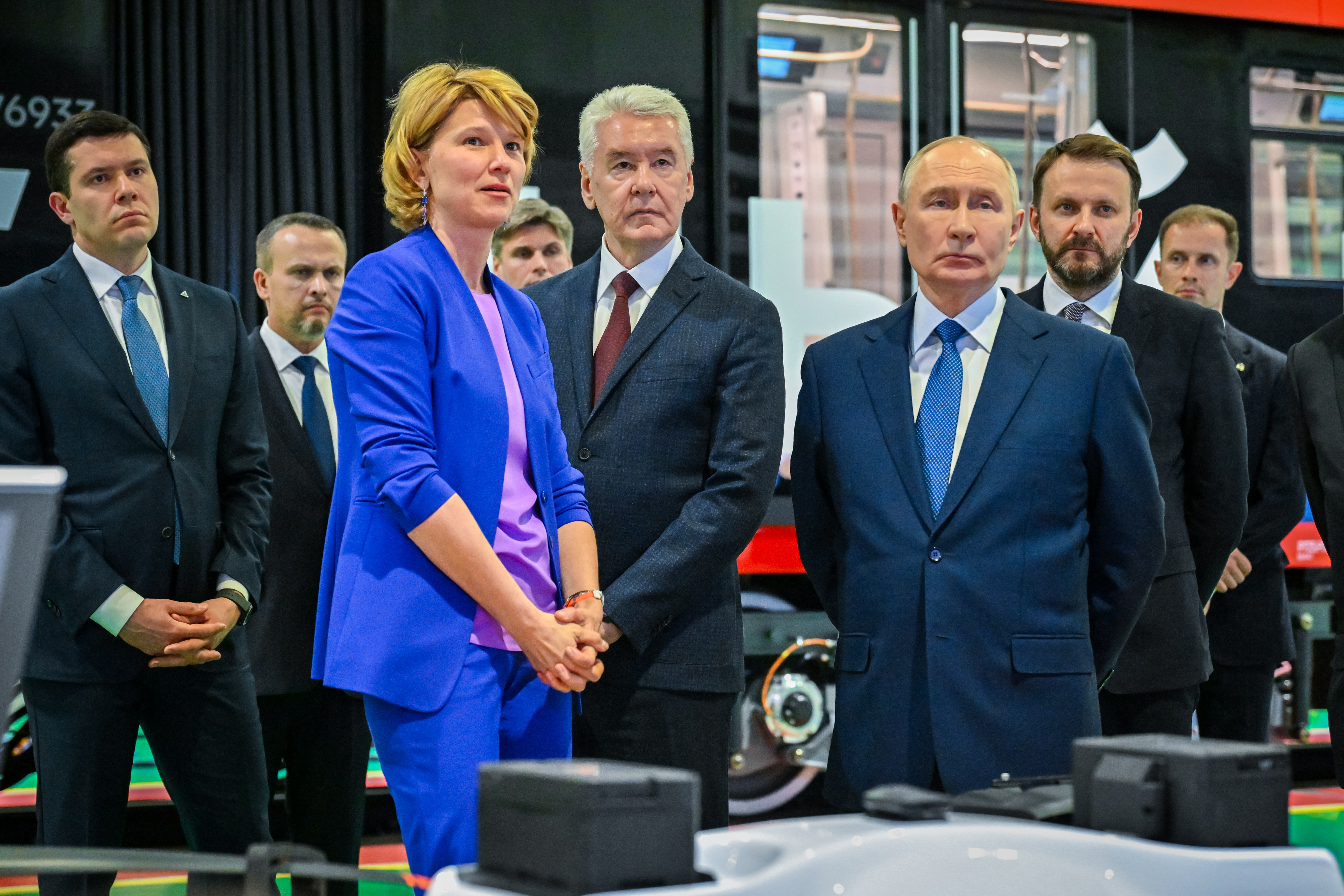
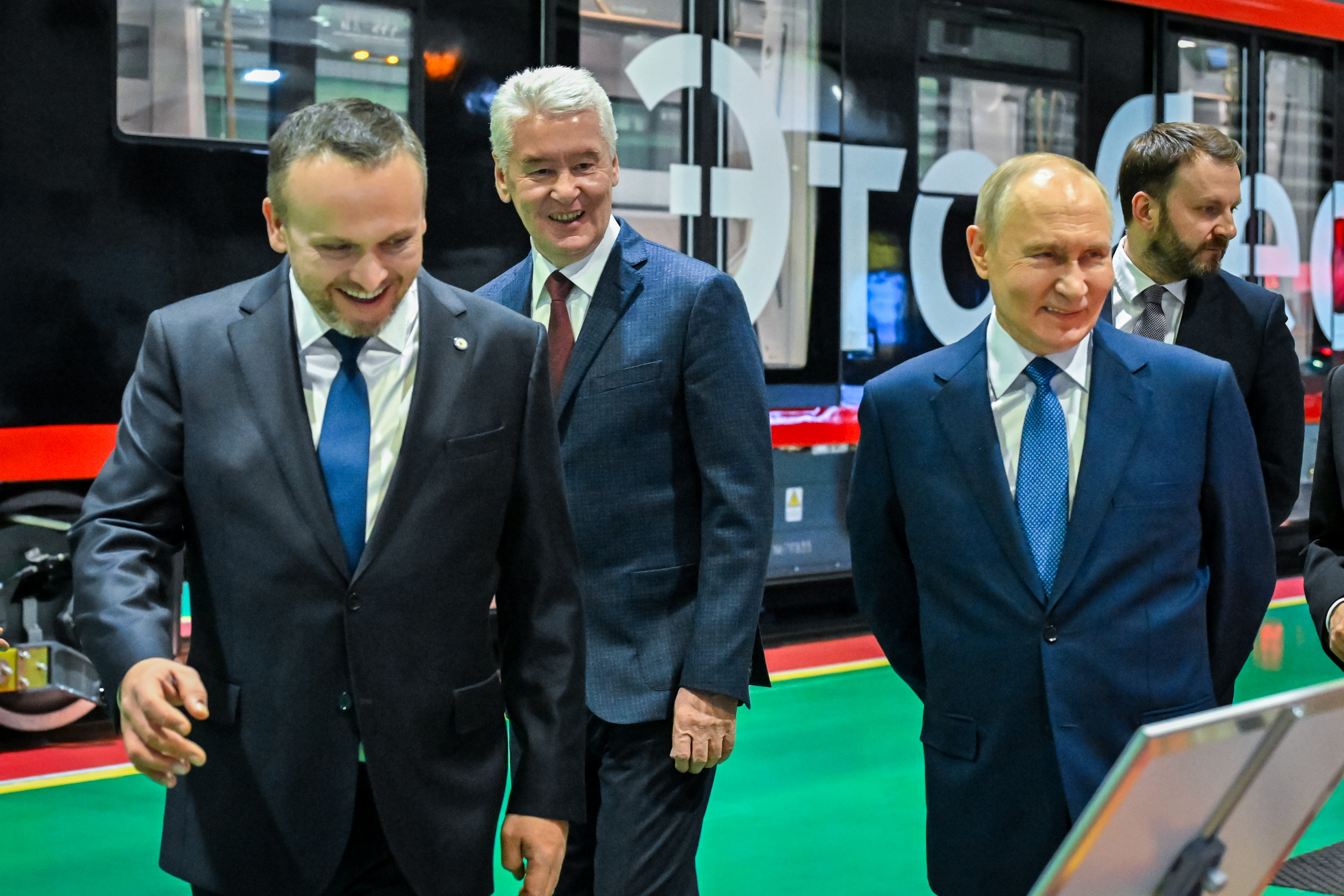
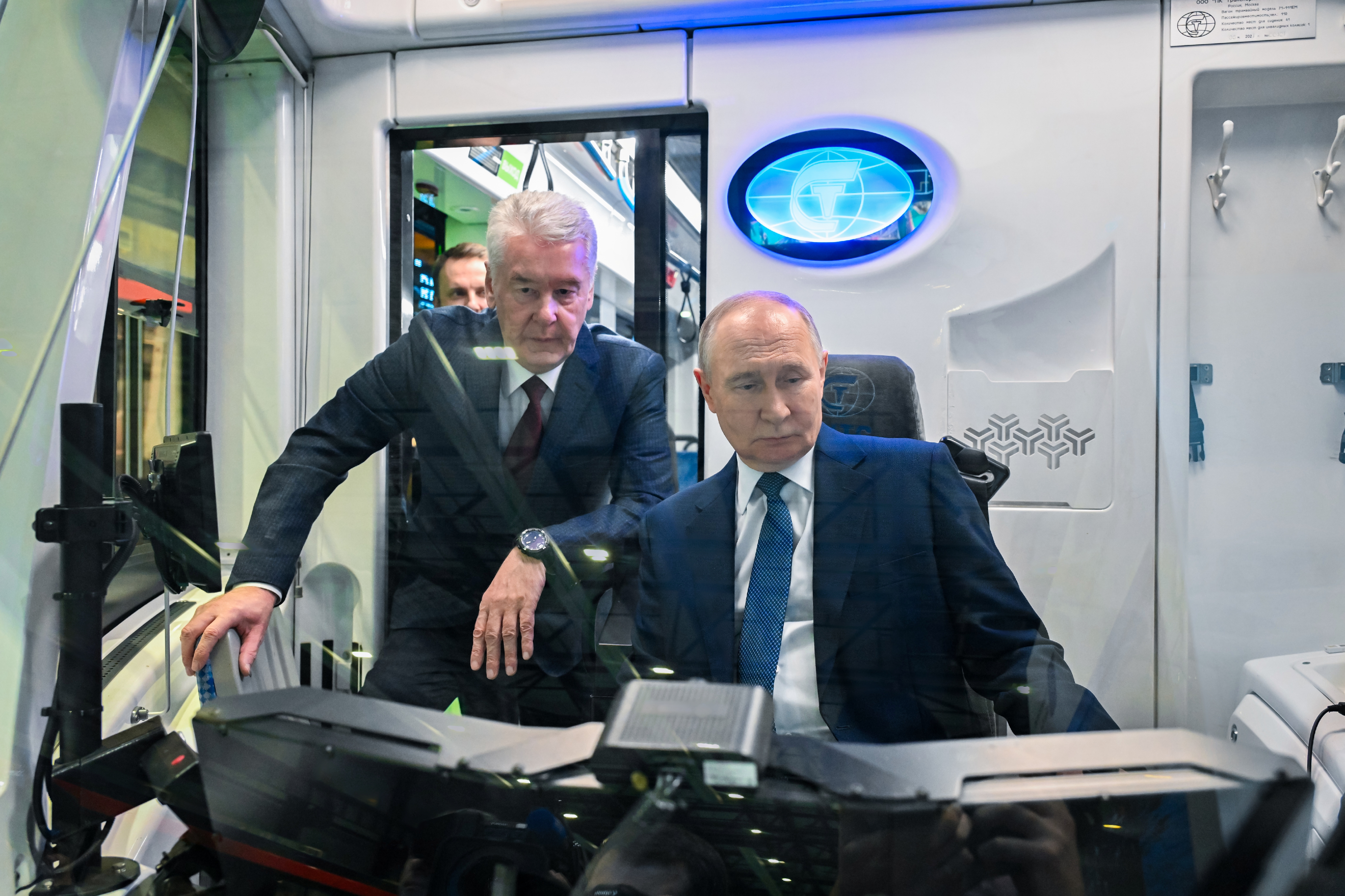
In a statement made available to The Bulrushes, the deputy mayor said the Moscow Metro has launched the testing of Russia’s first driverless train.
The start of trials for the next-generation Moskva-2024 train on the Big Circle Line (BCL) was attended by President Putin.
“During the initial phase, testing will be conducted without passengers,” said Deputy Mayor Liksutov.
“A train operator will be present in the cabin to monitor all systems and ensure safe operation.”
The software for the driverless train was developed by specialists from the Moscow Government’s Center for Research and Development of Autonomous Transport.
The initial testing phase focuses on key technological solutions, including:
- An auto-driving system responsible for acceleration, braking, speed control, and precise stopping;
- Automatic detection of people and foreign objects on the tracks;
- Machine vision technologies to identify anomalies and emergency situations;
- Real-time interaction with the dispatch center. In the future, the system will be capable of independently managing train schedules.
“The first passenger trips on driverless trains are planned for 2027, with the launch of the first fully autonomous metro line expected by 2030,” said Deputy Mayor Liksutov.
President Putin has been kept abreast through a report that highlighted Moscow’s progress in autonomous transport and plans for further implementation.
Deputy Mayor Liksutov said the Russian capital city was now one of the global leaders in applying autonomous technologies in urban infrastructure and social services.
“Under an experimental legal regime, Moscow already operates the autonomous tram Lvyonok-Moskva, has implemented a large-scale traffic monitoring and management system, and is developing commercial robot deliveries,” said Deputy Mayor Liksutov.
“Autonomous boats are being tested, a digital twin of Moscow has been created, and a year-round robotic cleaning experiment has been conducted in five city parks.
“Robotic solutions are also being actively introduced in healthcare, retail, and logistics.”
Deputy Mayor Liksutov said the launch of the driverless metro train marks a significant step in the development of intelligent transport, enhancing the safety and efficiency of the city’s transportation system.