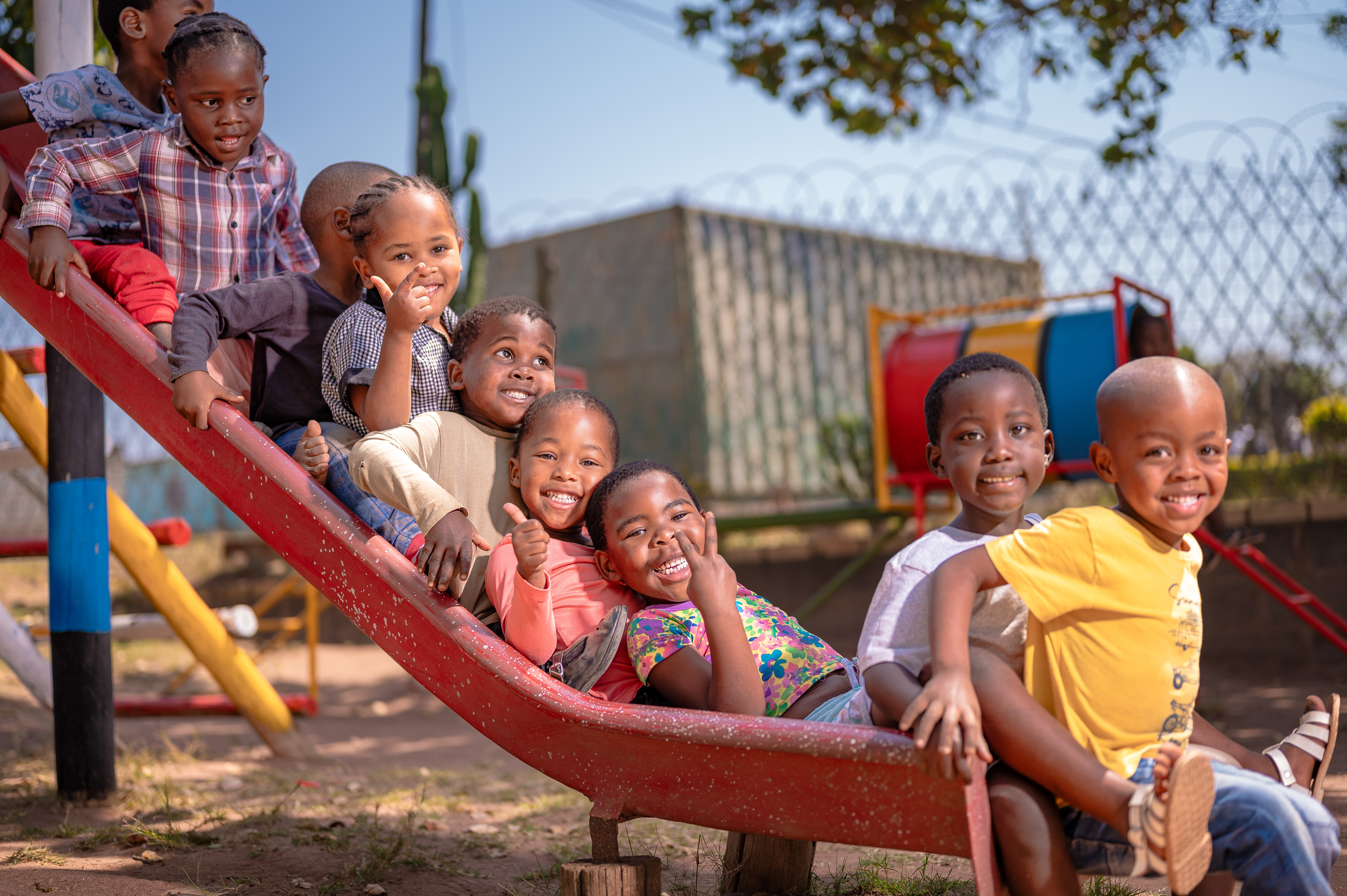
Pretoria – Most South African schoolchildren face language barriers when learning in English or Afrikaans.
The Department of Basic Education has revealed that the majority of learners, whose home languages are African indigenous languages, continue to face significant barriers when they are required to transition prematurely to English or Afrikaans as languages of learning and teaching.
The department made the revelations on International Mother Language Day, Saturday, 21 February 2026.
The day is proclaimed by UNESCO to promote linguistic and cultural diversity and multilingualism across the world.
“Extensive local and international research confirms what communities have long understood: children learn best in the language they know best,” the department said.
“Mother-tongue instruction strengthens cognitive development, improves comprehension of complex concepts, and enhances overall academic performance.
“Evidence suggests that learners require at least six to eight years of strong mother-tongue instruction to transition successfully to additional languages used for learning.”
It is on this foundation that the department stated that it continues to advance Mother-Tongue-Based Bilingual Education (MTbBE).
“Since the introduction of the pilot programme in the Eastern Cape in 2012, we have seen encouraging results,”’ the department said.
“Learners receiving instruction in their home languages have demonstrated improved performance in key subjects, including mathematics and natural sciences.
“These outcomes affirm that mother-tongue education is not a barrier to global competitiveness; it is a bridge to deeper understanding and long-term success.“
The department said the phased expansion of MTbBE, including the 2025 rollout to Grade 4, with maths exams offered nationally in a bilingual paper for the first time.
“This marks a significant milestone in our efforts to transform the education system.
“This initiative is about restoring dignity to African languages, dismantling historical inequalities, and ensuring that our linguistic heritage becomes an asset in the knowledge economy,” the department said.
“International Mother Language Day reminds us that languages are living carriers of identity, history, and innovation.“
South Africa’s 12 official languages represent a rich national resource that strengthens social cohesion and mutual understanding.
“Through bilingual and multilingual education, we are equipping learners to become confident in their home languages while also gaining proficiency in English and other languages of wider communication,” stated the department.
The success of this programme depends on strong partnerships.
“As we mark this important day, we call on parents, communities, and stakeholders to support mother-tongue-based education and to recognise its long-term benefits for learners and for our country,” the department said.
“By investing in mother-tongue education, we affirm our commitment to equity, inclusion, and quality learning for all.
“Our languages are not relics of the past; they are instruments of progress, academic excellence, and pillars of our democracy.”