Cape Town – The Parliament of the Republic of South Africa and the University of South Africa (UNISA) used the National Assembly chamber to reflect on South Africa’s 30-year constitutional journey.
Adopted in 1996, the Constitution sounded the final death knell for apartheid South Africa and laid the foundation for a democratic, rights-based state.
The Academic Colloquium on “Celebrating 30 Years of South Africa’s Constitution in a Rapidly Changing World” was part of the Thabo Mbeki Foundation’s Africa Day week, held in partnership with UNISA.
The broader programme of Africa Week is being held under the theme “Rebuilding African Unity in an Age of Fragmentation: Sovereignty, Solidarity, and the Renewal of Institutions”, with the colloquium designed to connect South Africa’s constitutional journey to Africa’s wider institutional renewal.
The Thabo Mbeki Foundation advances African renewal, democratic governance, dialogue, and Pan-African thought, drawing on the legacy of Thabo Mbeki, South Africa’s former President and a leading advocate of the African Renaissance.
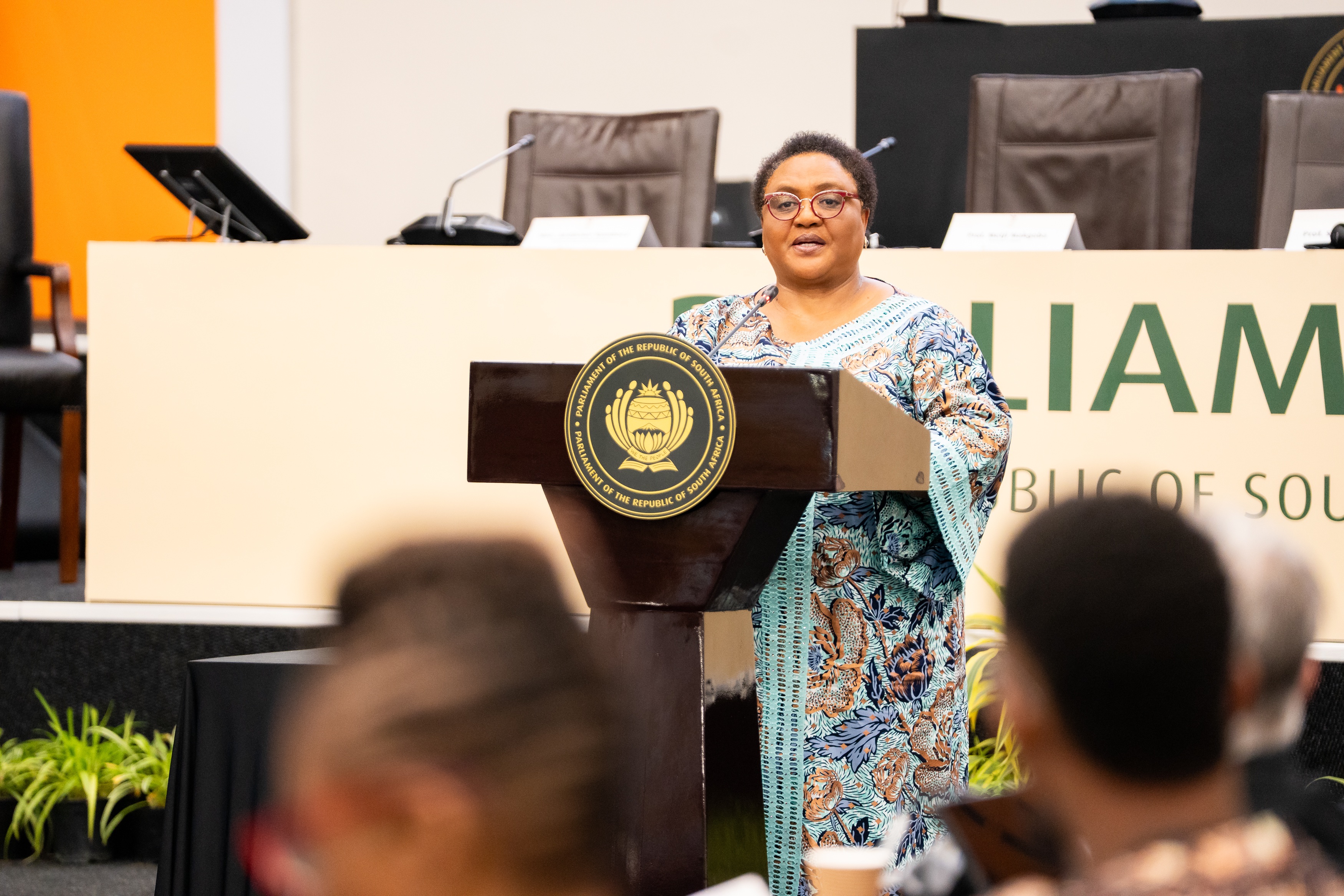
Opening the gathering, National Assembly Speaker Thoko Didiza said Africa Day demanded more than remembrance.
It required the continent to measure itself against its own ambitions.
“Africa Day is not just a day to remember and celebrate,” Didiza said. “It is the day in which we take stock of how far we have gone in realising the Africa we want.”
She situated the colloquium within Africa’s long quest for renewal, from the Lagos Plan of Action, the 1980 blueprint for economic self-reliance, to the New Partnership for Africa’s Development (NEPAD), an African-led development agenda, Agenda 2063, the African Union’s long-term vision for “the Africa we want,” and the Pan-African Parliament’s efforts to deepen legislative cooperation across the continent.
These instruments, she argued, demonstrated that Africa had laid the foundations for development, integration, and legislative harmonisation, but still needed to turn these frameworks into lived realities for citizens.
For Didiza, South Africa’s Constitution remains central to that unfinished project.
She described it as the supreme law that laid “the foundation of the South African constitutional democracy we want”, while reminding delegates that the democratic settlement emerged from struggle, not administrative convenience.
She traced that long constitutional journey through the 1955 Freedom Charter, adopted at the Congress of the People by the ANC-led Congress Alliance, the popular uprisings of the 1980s, and the Harare Declaration of 1989, whose principles helped shape the negotiated settlement and the democratic Constitution that ultimately ended apartheid in South Africa.
Thirty years later, Didiza maintained that South Africa had built strong institutions, including a transformative legislative sector, an independent judiciary that dispenses justice, constitutional bodies, and civil society organisations that help defend human rights. But her tone was not triumphalist.
The colloquium, she stressed, had to examine both progress and persistent challenges as the country contemplates the next 30 years of constitutional democracy.
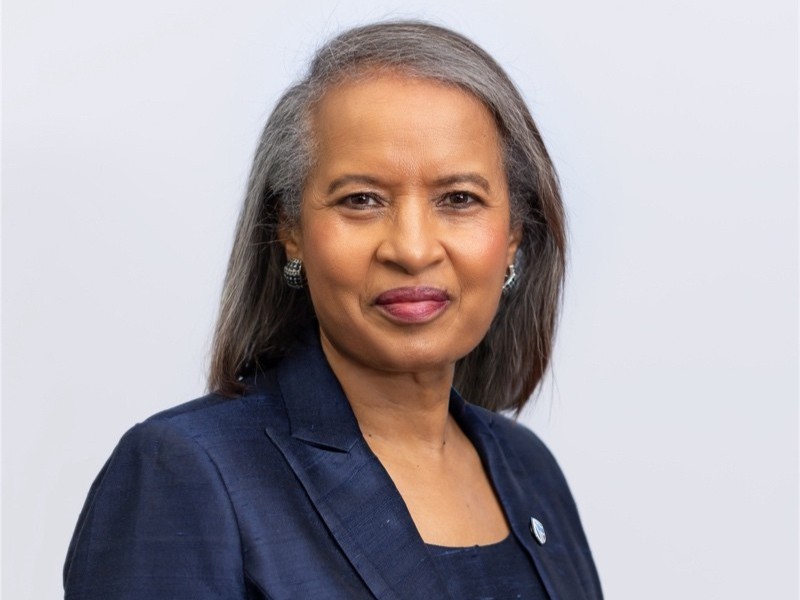
UNISA Principal and Vice-Chancellor Professor Puleng LenkaBula gave the colloquium its deeper intellectual frame, describing the National Assembly as more than just a venue.
It was, she said, the chamber “where the fate of a nation is debated, where laws are made, and where the will of the South African people finds institutional expression”.
She described the gathering in Parliament as “a symbolic homecoming”, adding that universities and parliaments share “a common vocation: to hold up a mirror to society, to speak truth, and to re-imagine reality and the future we choose”.
Professor LenkaBula connected the Constitution directly to former Deputy President Thabo Mbeki’s “I Am an African” speech, delivered on 8 May 1996, when the Constitutional Assembly adopted the final text.
She argued that the address was not merely “a poem of belonging” but “a constitutional act in its own right”, providing moral language to a democratic order emerging from a fractured past.
Yet her central question pierces through ceremonial comfort: has the constitutional promise of a united, democratic, non-racial, non-sexist, and prosperous South Africa been fulfilled, or has the gap between words and reality become a chasm?
She warned that South Africa’s democratic record remains paradoxical.
The Bill of Rights has enabled landmark jurisprudence, from housing rights to the abolition of the death penalty and recognition of customary law.
At the same time, she argued that inequality, weak redistribution, gender-based violence, and institutional distrust continue to challenge the Constitution’s legitimacy.
For Professor LenkaBula, the question facing the country is not whether the constitutional ark should be abandoned or idolised.
The real task, she argued, is to repair it, deepen democracy, redistribute dignity, and renew institutions so that they serve the many, not the few.