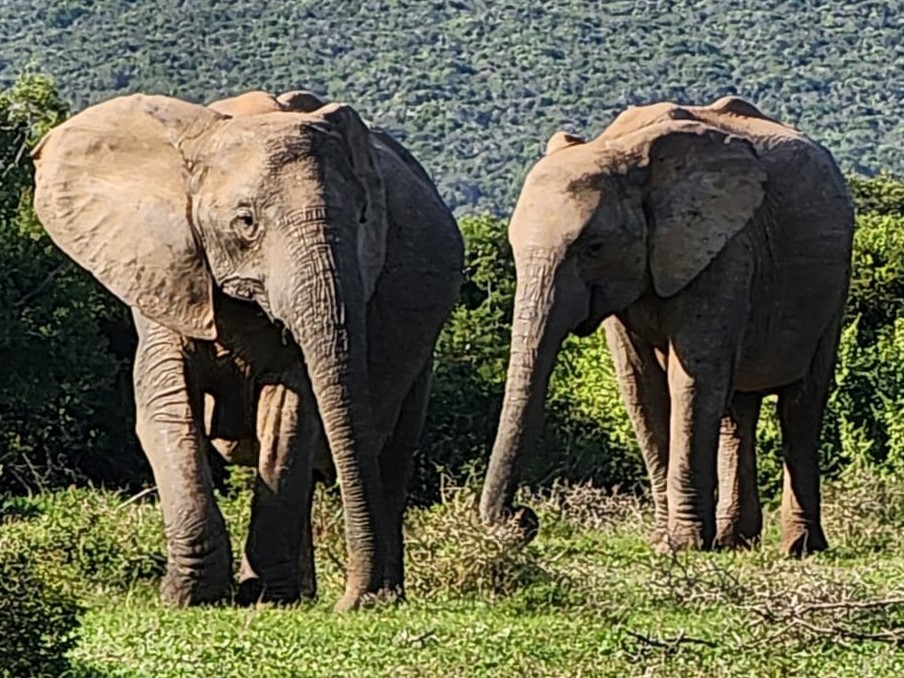
Johannesburg — South Africa has gazetted the National Elephant Heritage Strategy, a landmark framework aimed at strengthening the conservation and management of African elephants across the country.
The announcement of the gazetting was made by Forestry, Fisheries, and the Environment Minister Willie Aucamp, earlier today, Tuesday, 2 June 2026.
He described the strategy as a “coherent and evidence-based approach” aligned with national biodiversity targets and international obligations.
The African elephant (Loxodonta africana) is currently listed nationally as Least Concern, with a stable and widespread population.
However, officials say the new strategy is critical to ensuring long-term sustainability, particularly in addressing challenges such as human-elephant conflict, habitat pressures, and balancing conservation with community benefits.
Developed in partnership with the South African National Biodiversity Institute (SANBI) and South African National Parks (SANParks), the strategy reflects a whole-of-society approach.
Stakeholder engagement included a National Elephant Indaba, where scientists, conservationists, and community representatives debated complex issues around elephant management.
The framework will guide the development and revision of key conservation tools, including:
- Elephant Norms and Standards – setting national benchmarks for management practices.
- National Elephant Research Strategy – coordinating scientific studies.
- Reserve-level Management Plans – tailored strategies for protected areas.
- Meta-Population Plan – ensuring genetic diversity and connectivity across reserves.
Aligned with the Kunming-Montreal Global Biodiversity Framework, the plan emphasises adaptive management, improved stakeholder participation, and sustainable benefit-sharing.
It also positions South Africa as a key contributor to the African Elephant Action Plan (AEAP), strengthening collaboration with other elephant range states.
The gazetting of the strategy demonstrates South Africa’s commitment to both national and international conservation mandates.