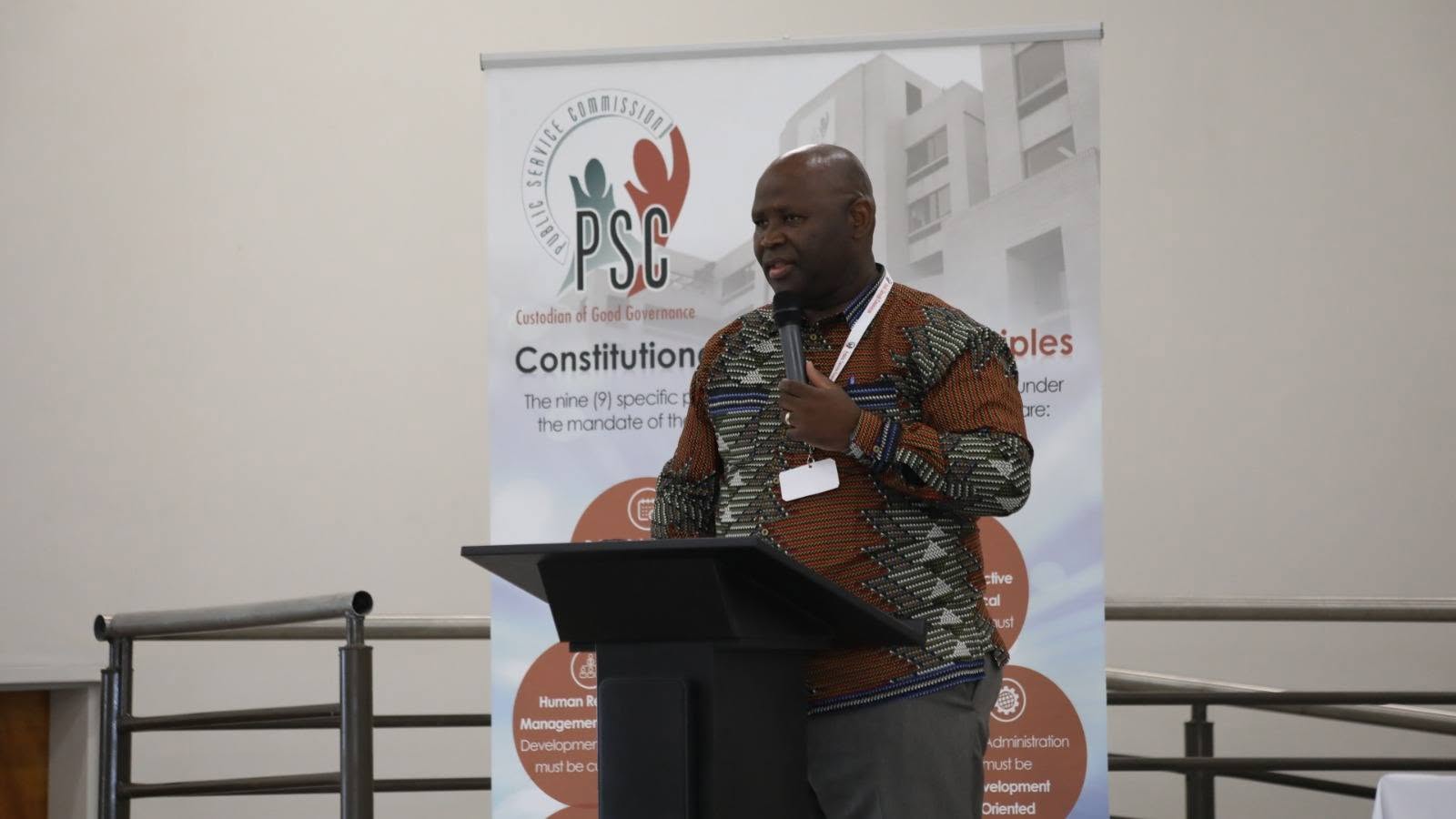
Johannesburg – The Public Service Commission (PSC) has issued an Advisory Note cautioning public servants against participating in political party study groups and informal caucus engagements, citing risks to impartiality and governance.
The advisory, released on Monday, 5 June 2026, follows complaints about officials attending gatherings linked to parliamentary programmes and party caucuses.
In the advisory, the PSC explained that while political parties may form internal forums, public servants must remain politically neutral and avoid involvement outside of authorised, transparent, and accountable processes.
The PSC stated that such participation could undermine impartiality, create perceptions of bias, weaken parliamentary oversight, breach confidentiality, and expose officials to improper political influence.
It emphasised that no constitutional or legislative provision permits public servants to take part in political study groups outside lawful governmental or parliamentary structures.
Lawful engagement, the PSC clarified, must occur through official channels such as parliamentary committees, executive briefings, intergovernmental forums, and other sanctioned meetings.
Directors-General and Heads of Departments were reminded of their duty to enforce compliance and uphold governance and ethics systems.
To provide clarity, the PSC has issued a Circular guiding officials who may be asked to join political study groups.
It further recommended that Parliament establish a framework regulating such participation, ensuring clear boundaries between political and administrative functions, transparency, equal access to information, and safeguarding impartiality in the public service.
The Advisory Note forms part of broader reforms, including the Framework on Professionalisation, the Public Administration Management Act, strengthened whistle-blower protections, and the pending PSC Bill recently passed by Parliament.
The PSC underscored that maintaining boundaries between politics and administration is essential to preserving public confidence in democratic governance.
The PSC called on civil society, media, academia, labour, and both public and private sectors to support these reforms, reaffirming its commitment to building a professional, impartial, and ethical public service.