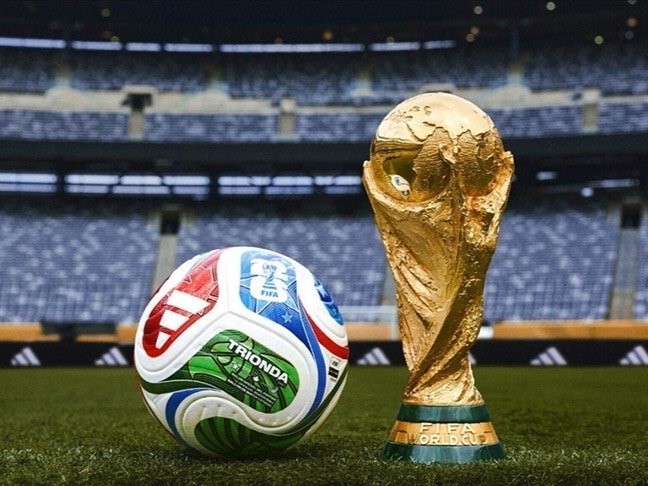
Mexico City – As the clock ticks down to kickoff on Thursday, 11 June 2026, the FIFA World Cup returns to North America with a blockbuster opening match at Mexico City’s iconic Estadio Azteca.
Co-hosts Mexico face South Africa in a rematch of the 2010 tournament opener, setting the stage for the largest World Cup in history with 48 teams and 104 matches across 16 venues in Mexico, the United States, and Canada.
(Source: fifa.com)
The atmosphere in Mexico City is electric.
Fans in green jerseys flood the streets, while vendors hawk flags and jerseys under the high-altitude sun.
Azteca, which hosted openers in 1970 and 1986, becomes the first stadium to stage three World Cup kickoffs.
Capacity crowds are expected, with the pre-match ceremony promising a vibrant celebration of Latin and African rhythms.
(Source: fifa.com)
Team Preparations and Coaching Insights
Mexico, under veteran coach Javier Aguirre, has embraced the dual pressure and privilege of playing at home.
Aguirre, in his third stint with El Tri (having led them in 2002 and 2010), has focused on blending experience with youth.
Recent training sessions at the Centro de Alto Rendimiento featured intense tactical drills, fitness work, and scrimmages, with assistant Rafael Márquez heavily involved.
(Source: youtube.com)
“This is more than a match; it’s a celebration for our people,” Aguirre said in a pre-tournament press conference.
“We know the expectations are sky-high, but we thrive on that.
“The altitude, the passion in the stands — it’s our advantage.”
Mexico’s squad includes the evergreen Guillermo Ochoa in goal for what could be his final tournament and emerging talents eager to make their mark.
(Source: fifa.com)
South Africa’s Bafana Bafana, returning to the World Cup for the first time since hosting in 2010, arrived in Mexico City to a warm welcome despite the travel demands.
Bafana Coach Hugo Broos, the experienced Belgian tactician, has built a resilient side mixing Premier Soccer League stalwarts like captain Ronwen Williams and Teboho Mokoena with Europe-based players such as Lyle Foster.
The team acclimatized with training in Pachuca to handle Mexico City’s 2,300-meter altitude.
(Source: x.com)
Broos struck a defiant tone: “In 2010, we gave the world a show as hosts. Now we come as fighters.
“Mexico will feel the Bafana spirit. We’re not here to make up the numbers — we’re here to create history.”
Broos has emphasized discipline and counter-attacking flair, banking on local stars while acknowledging the challenge.
(Source: youtube.com)
The 2010 encounter remains fresh in memory: Siphiwe Tshabalala’s stunning opener gave South Africa a 1-0 lead, only for Rafael Márquez to equalize in a 1-1 draw that energized the tournament.
(Source: espn.com)
Both sides evoke that game as motivation. “We drew then, but the story continues now on Mexican soil,” noted one South African veteran.
Controversies Shadow the Build-Up
While excitement builds, controversies have marred preparations. Visa and immigration issues, particularly in the United States, have dominated headlines.
Somali referee Omar Artan, poised to become his country’s first World Cup official, was denied entry at Miami International Airport despite a valid visa, citing “vetting concerns.”
FIFA removed him from the roster, drawing widespread criticism and highlighting broader entry problems for officials, staff, and fans from certain nations.
(Source: apnews.com)
The Iranian team staff faced restrictions, with some relocating preparations to Mexico.
Moroccan supporters reported dozens of visa denials despite holding tickets.
These incidents have fueled debates over U.S. immigration policies under the current administration and fears among international travelers.
(Source: npr.org)
Hotel costs and availability add to the concerns.
In U.S. host cities, FIFA’s block bookings and subsequent cancellations left many rooms empty or overpriced, with reports of up to 70% of reserved rooms released in places like Los Angeles and Philadelphia.
(Source: bbc.com)
Fans express “ICE fears” — anxiety over encounters with immigration authorities — leading some to opt for matches in Mexico or Canada or watch from afar.
Organisers insist security and hospitality remain priorities, but logistical hiccups persist.
Venues overall have drawn mixed reviews.
While Azteca shines as a football cathedral, some U.S. stadiums face questions over transit access, heat management, and infrastructure readiness for the expanded tournament.
Countdown to Glory and Star-Studded Ceremony
As Thursday afternoon approaches, anticipation peaks.
The opening ceremony at Azteca, starting about 90 minutes before the 19:00 local kickoff, features an all-star lineup including Shakira, Burna Boy, Tyla, J Balvin, Alejandro Fernández, Maná, Lila Downs, Belinda, Danny Ocean, and Los Ángeles Azules.
The performance will blend Latin beats with African energy, showcasing the tournament’s continental unity.
(Source: fifa.com)
Further celebrations are planned across the hosts, with additional ceremonies in the U.S. and Canada headlined by global acts like Katy Perry and others.
(Source: fifa.com)
For Mexico, a strong start is non-negotiable to quiet critics and ignite a deep run. For South Africa, an upset or spirited draw would echo 2010’s magic and validate their return.
The match symbolises more than football: resilience, cultural exchange, and the universal language of the beautiful game.
As fireworks prepare to light up the sky over Mexico City, the 2026 World Cup is poised to deliver drama, despite the off-field noise.
Whether on the pitch or in the stands, one thing is certain — the world is watching.
Disclaimer: This article was compiled using the AI tool Grok on X and may contain inaccuracies