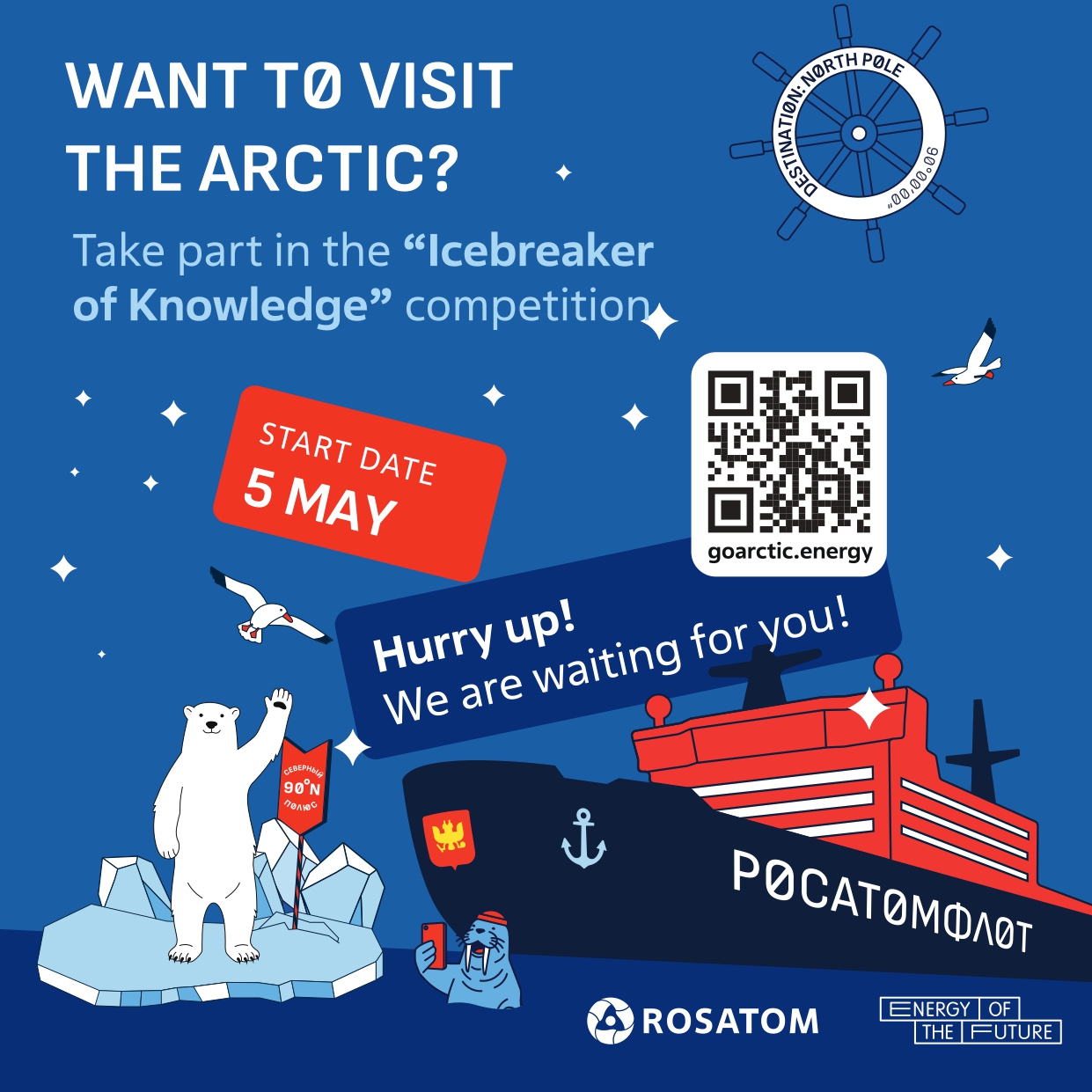
Moscow – Applications for Rosatom’s international educational project Icebreaker of Knowledge 2026 have officially opened.
Rosatom has launched the competitive selection process for the 7th International Scientific and Educational Project, Icebreaker of Knowledge.
Schoolchildren from several countries, including South Africa, Egypt, Namibia, Rwanda, and Tanzania, are invited to take part.
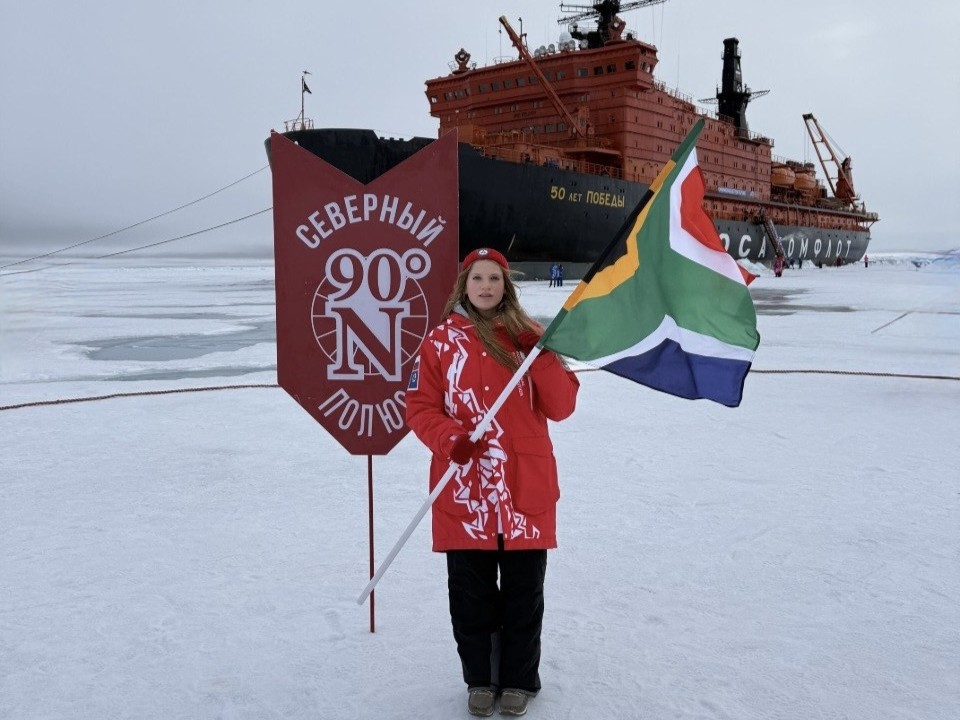
Winners from each country will join an Arctic expedition to the North Pole aboard the nuclear icebreaker 50 Let Pobedy in August 2026.
Some of the expedition participants will be the first representatives of their countries to reach the pole.
For South African youth, this is a once-in-a-lifetime opportunity: to board a nuclear icebreaker and make a name for themselves.
The project offers a chance to meet leading scientists, find friends across the globe, and feel part of a large international community.
South Africa has already become one of the active participants in the project, with local learners joining previous Arctic expeditions and representing the country on the global scientific stage.
This year, the youth have every chance to continue that tradition.
This is a real springboard for South African teenagers who want to build a career in STEM (Science, Technology, Engineering, and Mathematics).
These are the fields that today shape the development of economies, medicine, and energy worldwide.
And Rosatom’s project introduces schoolchildren to how STEM disciplines work in the most extreme conditions of the Arctic.
For more than a decade, the state corporation has supported the development of education on the continent.
Since 2013, Rosatom has offered state scholarships to students from South Africa and other African countries and equipped school labs with modern chemistry and physics equipment.
Rosatom also trains teachers and runs the annual Atoms Empowering Africa competition, where students explore how nuclear technologies are changing life on the continent.
The Icebreaker of Knowledge is far more than an expedition – it is a lecture hall on a nuclear icebreaker: a ten‑day journey where science meets adventure.
Participants will explore the Arctic alongside leading scientists, science communicators and bloggers.
They will see Rosatom’s innovative nuclear technologies that ensure safe navigation in the Arctic, and witness the unique beauty of the polar region.
They can expect encounters with polar bears, new friends from all over the world, and stories that will stay with them for life.
The selection process for international participants consists of three stages. At the first stage, those who register on goarctic.energy take part in a science-based quiz.
The second stage comprises a series of webinars on Rosatom’s innovative solutions, including technologies used to ensure the safe development of Arctic shipping.
After watching the videos, each participant takes a test to assess their knowledge and completes tasks based on the presented material.
Top 10 finalists from each country with the highest scores in the first two stages present their ideas related to the topic of the final task in a form of a video business card.
“This is the third time that the Icebreaker of Knowledge project has been organised in an international format,” noted Deputy Director General for Communications at RAIN Private Institution, Alexandra Yustus.
“Children from 23 countries will embark on a fascinating and educational journey to the North Pole on a nuclear icebreaker.
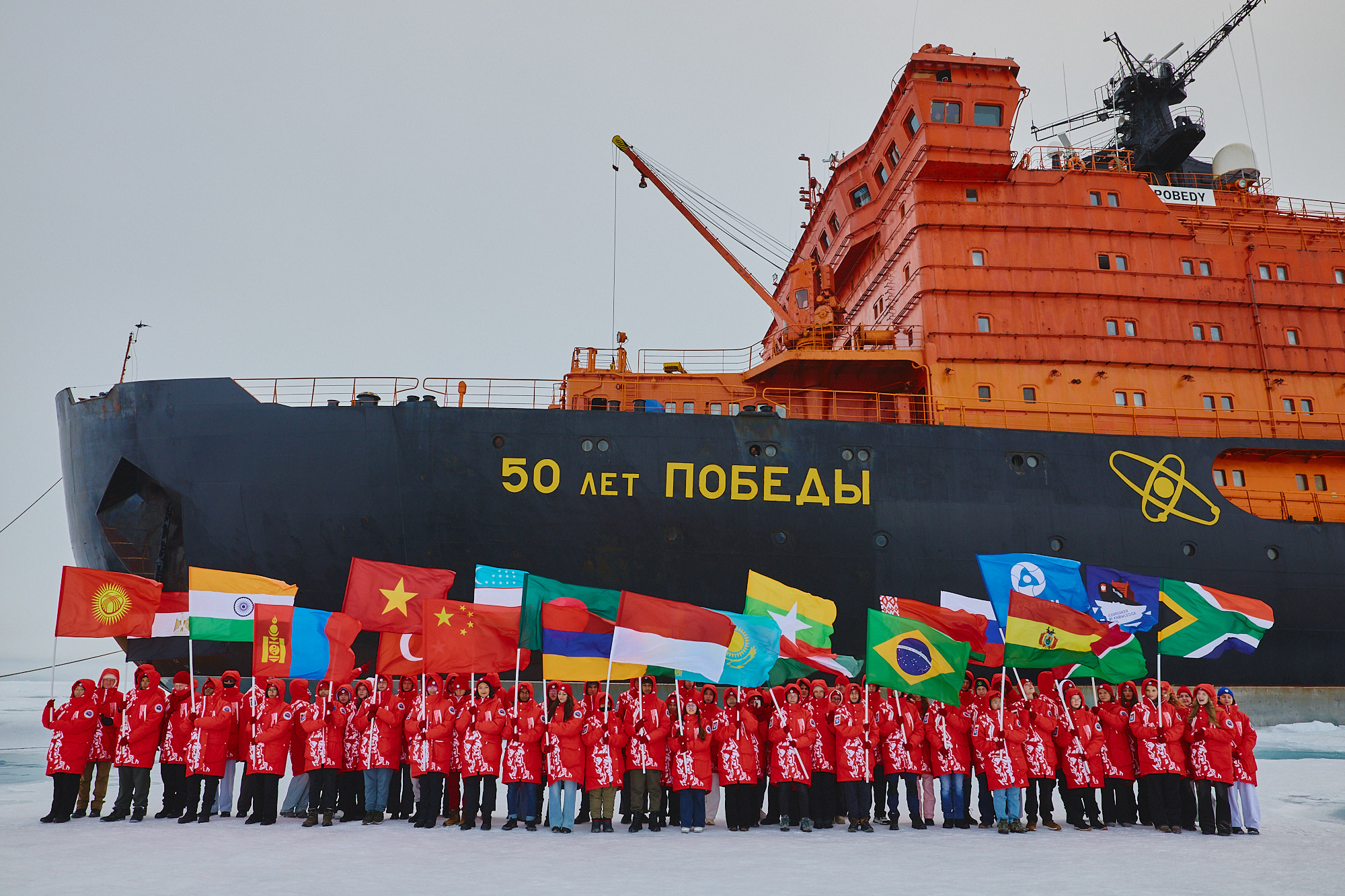
During 10 days, they will explore the Arctic on board the nuclear icebreaker with leading scientists, science communicators, and bloggers.
“This expedition is an opportunity not only to reach the highest point on Earth, but also to broaden horizons, make new friends, set records, and perhaps even see a polar bear.”
Icebreaker of Knowledge 2025 participant Nell Isabella Eileen from South Africa said: “Before this journey, Russia and the Arctic felt like something very distant and almost impossible to imagine.
“But this experience completely changed the way I see science, travel, and even my own future.
“I realised that opportunities like this are real, even for young people from South Africa, and that science can open doors you never expected.
“What stayed with me most was meeting people from different countries, learning from experts, and understanding that adventure and education can truly go hand in hand.
“It made me feel that there are no limits if you are willing to step out of your comfort zone and try.”
Russia and South Africa have cooperated successfully in the field of nuclear energy for many years.
But the Icebreaker of Knowledge is not about reactors and megawatts.
It is about a living bridge between countries, built by teenagers themselves.
Every South African schoolchild who steps aboard a nuclear icebreaker becomes an ambassador for their generation: proving that talent knows no geographical borders, and that science is the surest path to the future.
South Africa’s participation in the project has already become a fine tradition, and year by year that tradition grows richer with new stories of victories, discoveries, and friendship.
After all, this is how we shape not just future scientists and engineers, but confident young people who know that even if you were born far from the Arctic, the top of the world can still be yours.