Johannesburg – Most employees remember their first day at work: the nerves, the uncertainty, and not quite knowing where anything is or what is expected.
Now imagine that first day taking place in a fast-paced catering kitchen, where service deadlines are tight, teams are already operating at full speed, and there is little opportunity to stop and get your bearings.
That is the reality for thousands of new employees entering South Africa’s industrial and corporate catering sector each year.
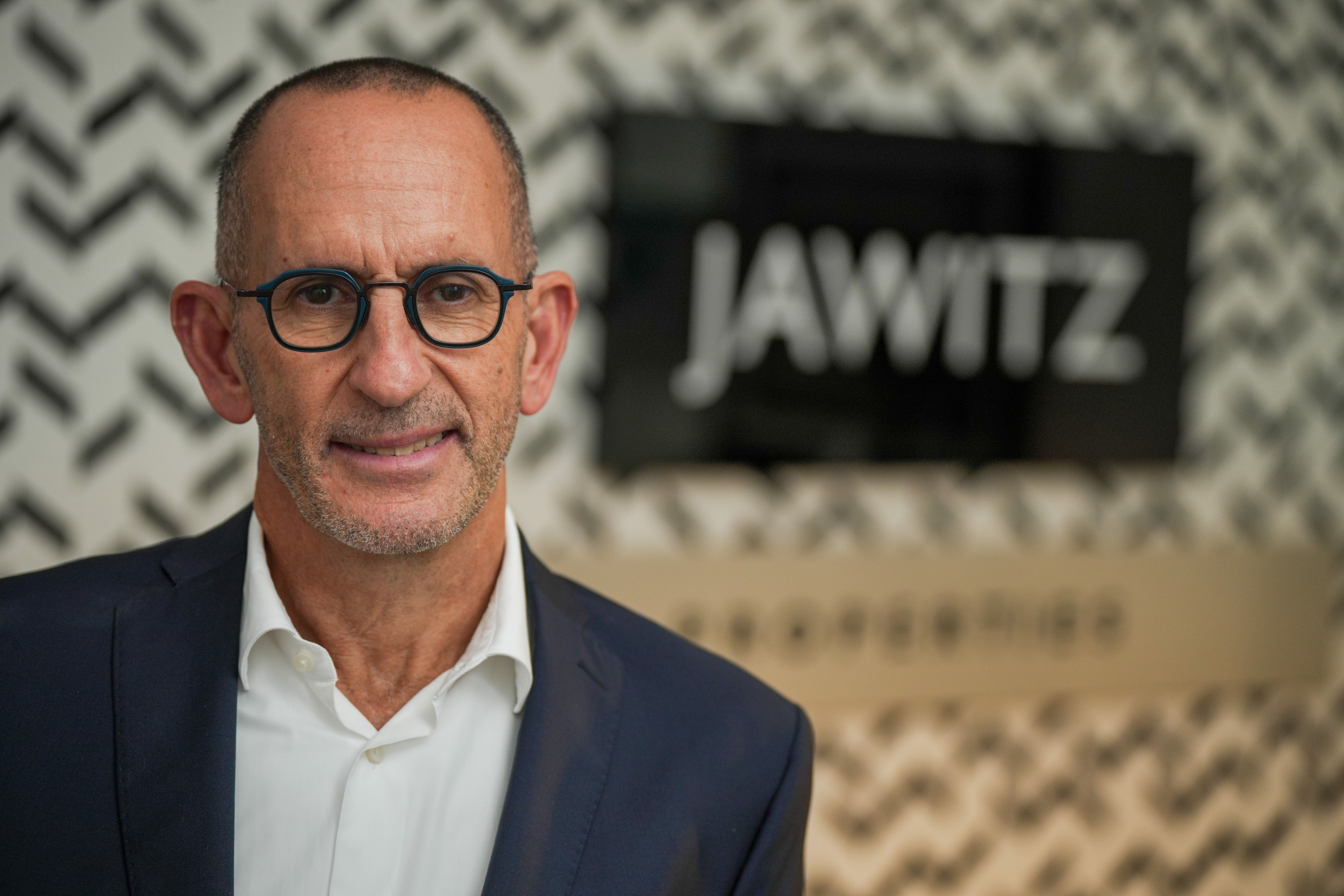
For Warren Miller, National Health and Safety Manager at Tsebo Catering Solutions, this critical period between arriving on day one and becoming fully operational is: that is where food safety risks often begin.
The expectations placed on food service providers have changed significantly in recent years.
Clients are more informed, audits are more rigorous, and food safety is no longer simply a matter of internal compliance.
Organisations must be able to demonstrate that employees are properly trained, competent, and consistently applying food safety standards.
“The conversation has changed,” says Miller.
“It is no longer enough to say you are compliant.
Clients want evidence that your people understand food safety principles and can apply them consistently in their daily work.”
At the same time, catering businesses continue to face persistent operational challenges.
High staff turnover, absenteeism, and the continual onboarding of new employees remain common across the industry.
Add to that a limited pool of experienced culinary professionals and the ongoing migration of skilled workers to international markets, and many catering operations find themselves in a constant cycle of recruitment and training.
This creates a unique challenge for food safety.
Many new employees enter industrial kitchens with little or no experience of large-scale food production environments.
On their first day, they are expected to understand workflows, identify hazards, comply with hygiene requirements, and keep pace with experienced colleagues.
When employees are overwhelmed, food safety can easily become secondary to simply coping with the demands of the role.
“It is not that people do not care about food safety,” Miller explains.
“It is that they are trying to absorb a huge amount of information in a very short period of time.
“When people are overloaded, important details can be missed.”
The consequences are well understood throughout the industry: inconsistent hygiene practices, missed critical control points, contamination risks, and increased exposure to foodborne illness incidents.
The challenge is not identifying these risks; it is finding a practical and scalable way to reduce them.
At Tsebo Catering Solutions, the response has been to rethink traditional onboarding altogether.
Rather than focusing solely on how to train people once they arrive at work, the company asked a different question: how can employees be prepared before they even enter the kitchen?
The answer came through the development of a virtual kitchen induction programme built using advanced 3D scanning technology.
Before stepping into the workplace for the first time, employees can explore a fully immersive digital version of the kitchen in which they will be working.
They can navigate through preparation areas, storage facilities, production zones, and service points while engaging with embedded food safety information specific to that environment.
Hygiene requirements, contamination risks, workflow considerations, and critical control points are presented within the context of the actual workplace.
“This is not theoretical training delivered through a slide presentation,” says Miller.
“Employees are experiencing the real environment before they arrive.
“They learn where things are, how the kitchen operates, and where potential risks exist.
“By the time they start work, the environment already feels familiar.”
The practical benefits have been significant.
New employees integrate more quickly into operational teams, supervisors spend less time covering basic orientation requirements, and adherence to food safety procedures improves because staff arrive better prepared and more confident.
However, for Miller, the greatest benefit extends beyond operational efficiency.
“When you reduce uncertainty, you reduce stress,” he says.
“When employees feel more confident, they are better able to focus on the standards and procedures that matter.
“Confidence and compliance go hand in hand.”
The unique application of 3D technology to food safety preparedness demonstrates how digital innovation can address real-world food safety challenges in a practical and measurable way.
Immersive technologies can strengthen food safety culture, improve workforce readiness, and reduce risk within food service operations.
“In an industry where mistakes can have serious health consequences, we cannot afford to wait for problems to occur before addressing them,” he says.
“Pressure is constant. Skills shortages remain a challenge. Expectations continue to rise.
“We need to rethink how we train, how we prepare people, and how we build resilient food safety cultures.”
Ultimately, Miller believes food safety is about far more than policies, procedures, and compliance audits.
“Food safety is not about ticking boxes,” he concludes.
“It is about creating a culture where every person who enters a kitchen understands why food safety matters and feels equipped to do the right thing.
“If we can provide that foundation before day one, we are already creating a safer environment for our employees, our clients, and the people we serve.”