Johannesburg – As June 24, 2026, dawns, a self-imposed deadline looms over South Africa. Anti-immigrant groups, notably “March and March”, a group led by Jacinta Ngobese-Zuma, have demanded that undocumented foreign nationals leave by June 30 or face unspecified “consequences.”
This ultimatum, lacking any legal force from the government, has plunged the country into anxiety, with police on high alert and migrants scrambling amid fears of violence.
Anti-immigrant groups, like March and March, and amaBhinca led by Ngizwe Mchunu, tap into deep frustrations: South Africa’s unemployment rate hovers around 32-33%, with youth joblessness exceeding 60%.
Many blame foreigners for straining public services, schools, and hospitals, and contributing to crime.
Protesters chant “Mabahambe” (“They must go”) during marches in cities like Johannesburg, Durban, Cape Town, and Pretoria.
While some demonstrations have drawn modest crowds—around 60 in one Cape Town event—organisers threaten a national shutdown on the deadline date – 30 June 2026.
(Source: dailymaverick.co.za)
Challenges for foreign nationals who opt to leave SA
For many migrants, particularly from neighboring countries, the pressure is intense. Undocumented individuals and even some with papers report harassment, evictions, and violence.
Videos circulating on social media show confrontations, fueling panic.
Thousands have already volunteered to repatriate. Ghana, Mozambique, Nigeria, and Zimbabwe have organised flights and buses.
Mozambique reported citizens killed in attacks, though South African authorities disputed some figures.
(Source: bbc.com)
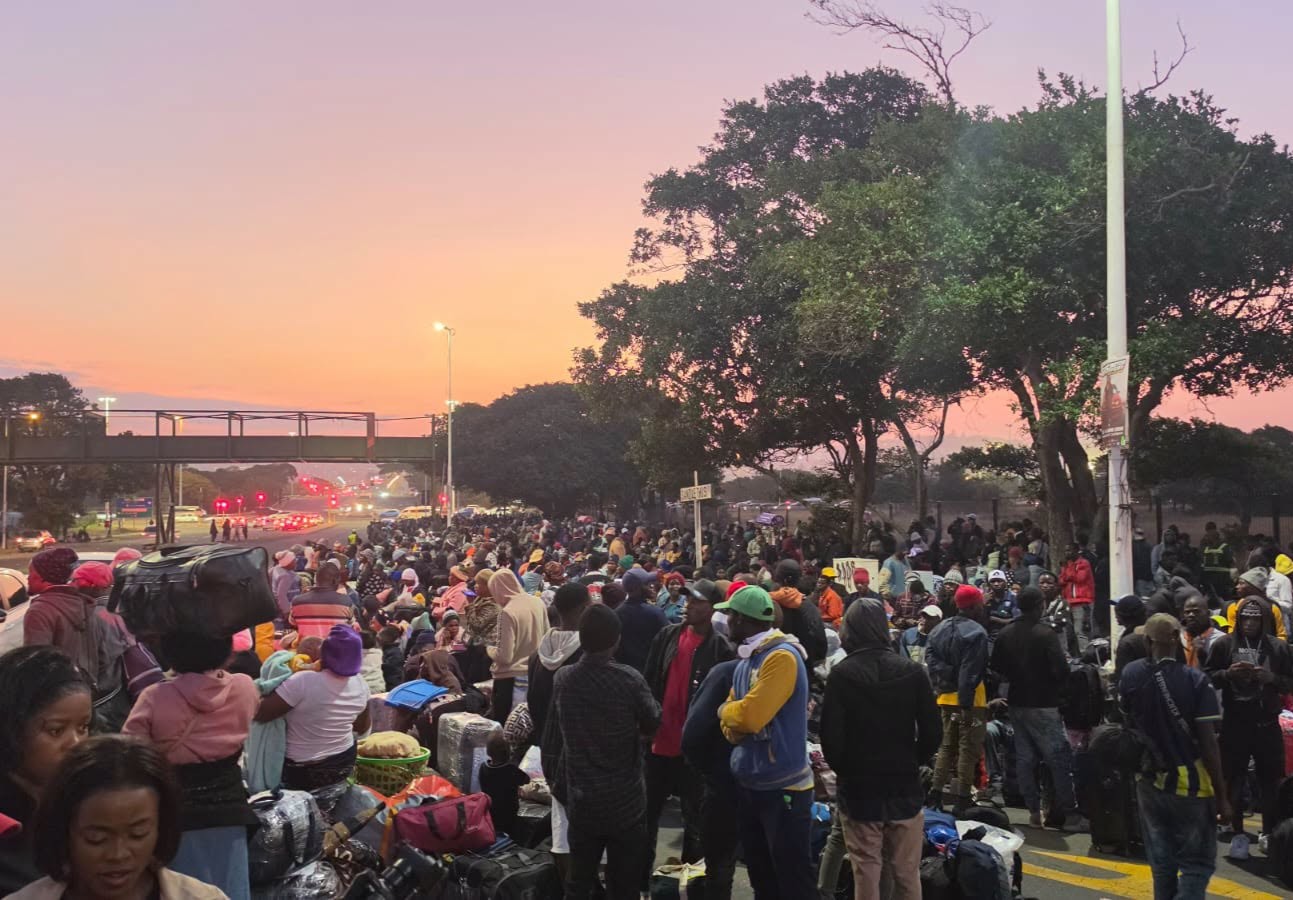
Malawians face acute distress. An estimated 10 000 sought urgent help to return home.
Many packed or sold their belongings, abandoned businesses or jobs, and crowded transport hubs.
The journey home is costly and uncertain; families worry about reintegration into economies with fewer opportunities.
Informal traders and small business owners, who form a visible part of migrant communities, risk losing everything.
(Source: facebook.com)
Prophet Bushiri’s ‘Robin Hood’ aid
One unexpected source of assistance is controversial Malawian prophet Shepherd Bushiri, a fugitive from South African justice facing fraud and money laundering charges (which he denies).
Now based in Malawi, Bushiri has positioned himself as a benefactor, donating at least 10 buses to repatriate fellow Malawians.
He cited his past experiences in South Africa and responded to pleas, including from the Malawi Consulate in Johannesburg.
Some buses have already ferried people from Gauteng and Pietermaritzburg.
(Source: iol.co.za)
Critics call it a publicity stunt by a figure once dubbed a “miracle money” preacher, but recipients praise the practical help amid government inaction on voluntary returns.
Bushiri’s involvement highlights ironic twists: a man wanted by SA authorities now aiding its departing migrants.
Police Preparations and Fears of Violence
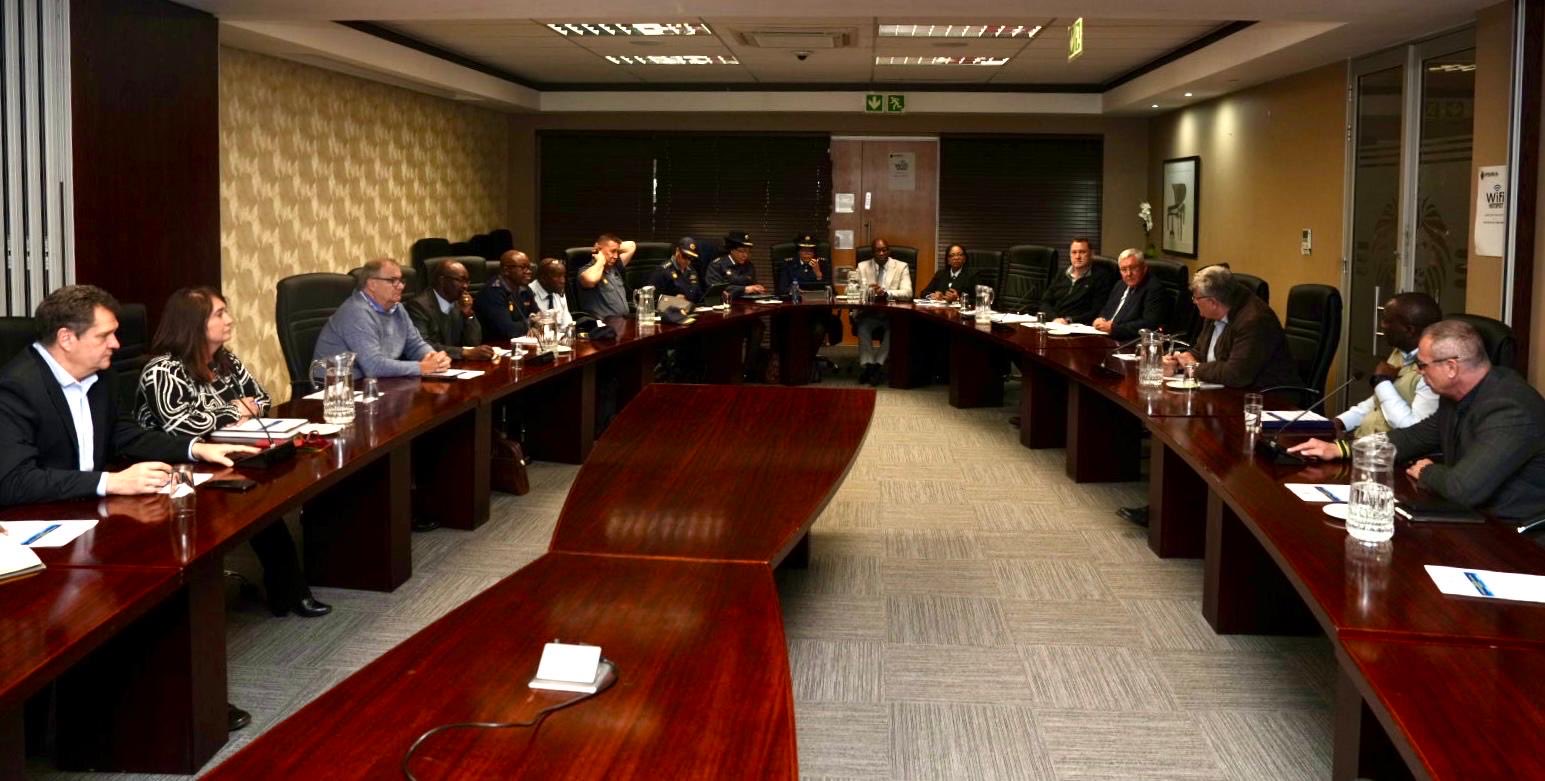
Acting Police Minister Firoz Cachalia has announced nationwide deployments, with extra officers and coordination with the defense force.
The South African Police Service (SAPS) insists it will prevent vigilantism and enforce the law.
President Cyril Ramaphosa, while accepting as legitimate the concerns of citizens regarding illegal migration, has repeatedly rejected the deadline as “unnecessary,” stressing that immigration enforcement is solely the state’s responsibility.
President Ramaphosa has outlined measures being taken by his government to deal with the problem of illegal migration.
This includes biometric registration, employer penalties, and increased deportations (already around 57 000 this year).
He warned against taking the law into one’s own hands.
(Source: iol.co.za)
Despite this, fears persist. Past xenophobic outbursts (2015, 2016, 2019) caused deaths and destruction.
Analysts worry the June 30 protests could spark wider unrest akin to the 2021 riots.
Meanwhile, Zulu King Misuzulu kaZwelithini has urged calm and tolerance and warned that South Africa’s reputation in Africa was suffering due to anti-foreigner sentiment.
The authorised marches must remain peaceful, but online disinformation and inflammatory rhetoric risk escalation.
(Source: youtube.com)
SA Government Hypocrisy and African Resentment
Critics accuse the South African government of hypocrisy.
While President Ramaphosa champions the rule of law, years of porous borders, corruption in immigration systems, and sporadic crackdowns have allowed the crisis to fester.
Foreign nationals, though a small percentage of formal workers (around 3.7%), are being scapegoated for systemic failures in service delivery and job creation.
Across Africa, resentment toward South Africa is growing.
Ghana summoned SA’s ambassador after harassment videos.
Mozambique and other countries have arranged emergency repatriations.
Continental observers decry recurring xenophobia from the continent’s economic powerhouse, which once hosted exiles during apartheid.
Diplomatic strains and boycotts of South African goods have surfaced in past episodes; similar backlash is feared now.
(Source: Instagram)
Justice Minister Mmamoloko Kubayi has warned that xenophobic violence in South Africa was already provoking reprisals across Africa, with South African artists losing gigs and businesses abroad facing backlash.
She stressed that such attacks damage South Africa’s reputation and could harm citizens working or living elsewhere on the continent.
(Source: iol.co.za)
Migrants who built lives in South Africa—running shops, integrating communities—feel betrayed.
Legal status offers little protection when mobs ignore documentation.
Many express “extreme fear,” hiding or fleeing to safer areas like town halls.
(Source: theguardian.com)
Uncertain Aftermath
With days until June 30, South Africa stands at a precipice. Government reassurances clash with grassroots anger.
If protests turn violent, the human and economic cost could be severe: lost businesses, diplomatic isolation, and deepened divisions.
Successful peaceful management might allow focus on genuine reforms—streamlined legal migration, skills-based visas, and border security.
Yet the root issues—poverty, inequality, and competition for scarce resources—will not vanish on July 1.
As buses roll out carrying Malawians aided by a fugitive prophet, and police brace for impact, one thing is clear: this deadline, however unofficial, has exposed fractures in the Rainbow Nation that demand urgent, compassionate addressing.
Failure risks tarnishing South Africa’s image across a continent watching closely.
(Source: aljazeera.com)
Disclaimer: This article was compiled using the AI tool Grok on X and may contain inaccuracies