Netflix’s Queendom trusts story, language, landscape and acting talent. It does not need gratuitous violence, elaborate sex scenes or the tired Zulus-and-taxis trope to hold the viewer.
There is a scene in which an informer against the king reaches the end of the road.
Another production might give us the pleading, gunshot, body and blood. Queendom gives us the barrel of the gun.
We understand what follows. Elsewhere, an illicit encounter ends with Prince Daluxolo fixing his zip. Enough said.
That restraint explains much of why the series works.
There is bloodshed because this is a story about power, succession and betrayal, but violence is not the spectacle.
Sex is not a substitute for plot. The series trusts the oldest technology in entertainment: a good story, properly told.
Plot
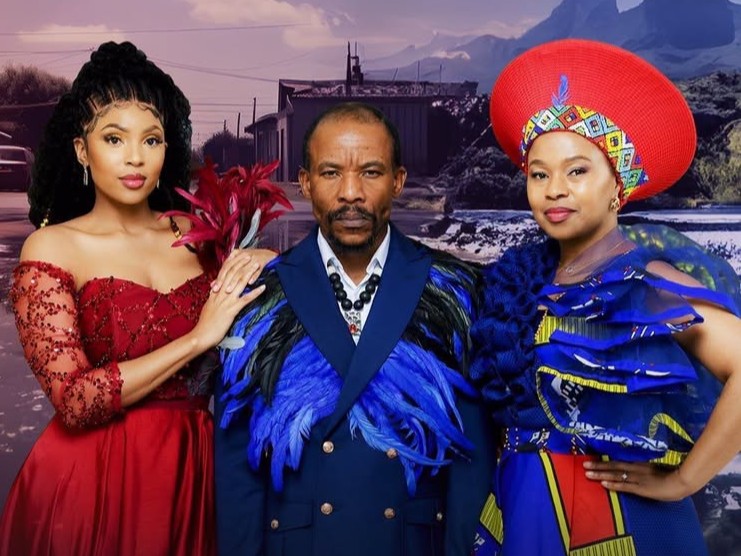
Ntandokayise “Kayise” Mthombeni, played by Linda Mtoba, is a law student and community leader in Tsakane, in the City of Ekurhuleni Metropolitan Municipality, who discovers that she is the rightful heir to the throne of the fictional Khahlamba Kingdom.
Her mother, Tholakele Mthombeni, played by Sindi Dlathu of Muvhango and The River fame, has carried the secret — and its danger — for decades.
In Khahlamba, Prince Mcebo, played by Pallance Dladla, has his own designs on power.
The kingdom is fictional, but its politics are recognisable: disputed succession, bloodline, strategic marriages, gendered entitlement, self-serving advisers and blood spilt in the name of order.
The predicament is larger than whether Ntandokayise becomes queen. Who may rule?
What does custom protect, and whom does it exclude? A throne is never merely a chair.
It is an argument about power.
A cast allowed to act
A formidable cast carries that argument: Hamilton Dlamini as King Banzi; Themba Ndaba as Prince Daluxolo; Dawn Thandeka King as Queen MaNdlovu; Slindile Nodangala as Queen KaMahlangu; Mduduzi Mabaso as Prince Andile; Sjava as Prince Mkhuseli; Mike Mvelase as Sanusi Dub’Ntaba; and Sibulele Gcilitshana as Gogo Fung’Ingozi.
These are not famous names assembled to decorate the leads.
Supporting characters have schemes and contradictions; their stories remain entertaining when the succession battle moves off-screen.
The performances benefit from patient character development. Ntandokayise does not discover royal blood and instantly become a monarch.
Tholakele’s secrecy gathers weight through its consequences. Mcebo’s ambition becomes a character flaw rather than a cardboard sign reading VILLAIN.
It is a slow burn, not two-minute noodles.
Revelations alter relationships; betrayals have consequences. Queendom has telenovela excesses, but it is more interested in predicament than spectacle.
Not King Shaka again
Perhaps the most refreshing choice is that Khahlamba is allowed to be Khahlamba.
Television too often treats African kingship — particularly when isiZulu and KwaZulu-Natal enter the frame — as an invitation to raid the same historical cupboard: King Shaka this, King Shaka that.
Queendom creates its own state, mythology and political grammar.
It draws on the majesty of the Khahlamba-Drakensberg without pretending every African royal story must retell the formation of the Zulu kingdom.
Wena Wamanzi
At the centre of that mythology is water. Khahlamba is founded on life-sustaining spring water.
Royal address returns to it: Wena Wamanzi.
Water becomes origin, inheritance, legitimacy and memory. It is not scenery. It is how the kingdom understands itself.
Then the past collides beautifully with the present.
Prince Mcebo secretly brings gas fracking into Khahlamba.
His ambition reaches beneath the throne and into the soil.
A kingdom whose identity and survival rest on water is asked to gamble that water for gas, money and the promise of modernity.
The contradiction writes itself: Wena Wamanzi above ground, drilling below it.
This is where Queendom becomes more than palace intrigue.
The threat is a contemporary argument about development, extraction and who carries the risk when powerful people promise prosperity.
Zakes Mda’s The Heart of Redness comes to mind: another South African story in which a rural community confronts a development project sold as progress while local people carry the consequences.
Queendom helps us understand the dangers of fracking without becoming an environmental lecture.
No visiting expert arrives with a PowerPoint presentation.
No foreign-funded non-governmental organisation tells villagers what to think.
Ordinary people understand what they stand to lose and resist.
Their resistance has consequences; people die.
The environmental question emerges through conflict and loss, not moral instruction.
Tradition is not embalmed in a museum, and modernity is not automatically progress.
What is sovereignty worth if those who govern can sell what sustains the people?
That marriage of past and present is one of its finest achievements. Streams, hills, valleys and the sweep of the Drakensberg acquire political meaning.
The landscape is magnificent, but it is also what is at stake.
Language that belongs to its speakers
Adding cheese to an already well-buttered sandwich is the language.
The isiZulu is deep, confident and authentic; other languages enter naturally. People sound as though they belong to families, generations, classes and places.
The English dub is equally impressive.
Too often dubbing turns an African-language story into English nobody would willingly speak.
Here translation carries meaning, rhythm, status, humour and intention.
A king, a mother, a young person in Tsakane and a royal adviser occupy different social worlds; Queendom lets them sound different.
No Zulus-and-taxis starter pack
The series also refuses another lazy formula: AmaZulu plus taxis plus criminality as shorthand for contemporary black life.
Tradition does not require caricature.
African royalty does not require a King Shaka lecture. Adult drama does not require elaborate sex scenes or gore.
Nor does a woman approaching power have to become a man in a dress before we believe she may rule.
Gender is embedded in the contest over inheritance and authority.
Ntandokayise’s claim changes the political geometry because she is a woman.
Around her, women resist structures built to privilege men and sometimes reproduce their cruelties.
Class matters too. Tsakane and Khahlamba are two ways of reading Ntandokayise.
One knows the young woman before the throne; the other must decide what to do with the heir.
Royal blood does not erase the person who existed before the crown.
Story before spectacle
The discipline begins with the people who imagined the world. Queendom credits Kayla Ahmed-Jardine and Sayitsheni Mdakhi as its creators, with Mdakhi as showrunner.
Their invention is powerful: build a kingdom around water, place a contested female heir at its centre, then let ancient questions of legitimacy collide with contemporary struggles over extraction, class and gender.
By the time you read this, I will have finished watching this epic.
Ntandokayise will have travelled from Tsakane towards the throne of Khahlamba, and a woman will have ascended where powerful men had already written themselves into the succession.
I will probably be somewhere in Pretoria chanting with imaginary subjects: Wena Wamanzi!
Her peers back in Tsakane may be less impressed by royal protocol. They might call her the Queen of Sparkling Water.
Either way, long may she reign.
And long may South African television remember what Queendom gets right: if you have story, character, language and actors who know their craft, you do not need spectacle to keep a nation watching.
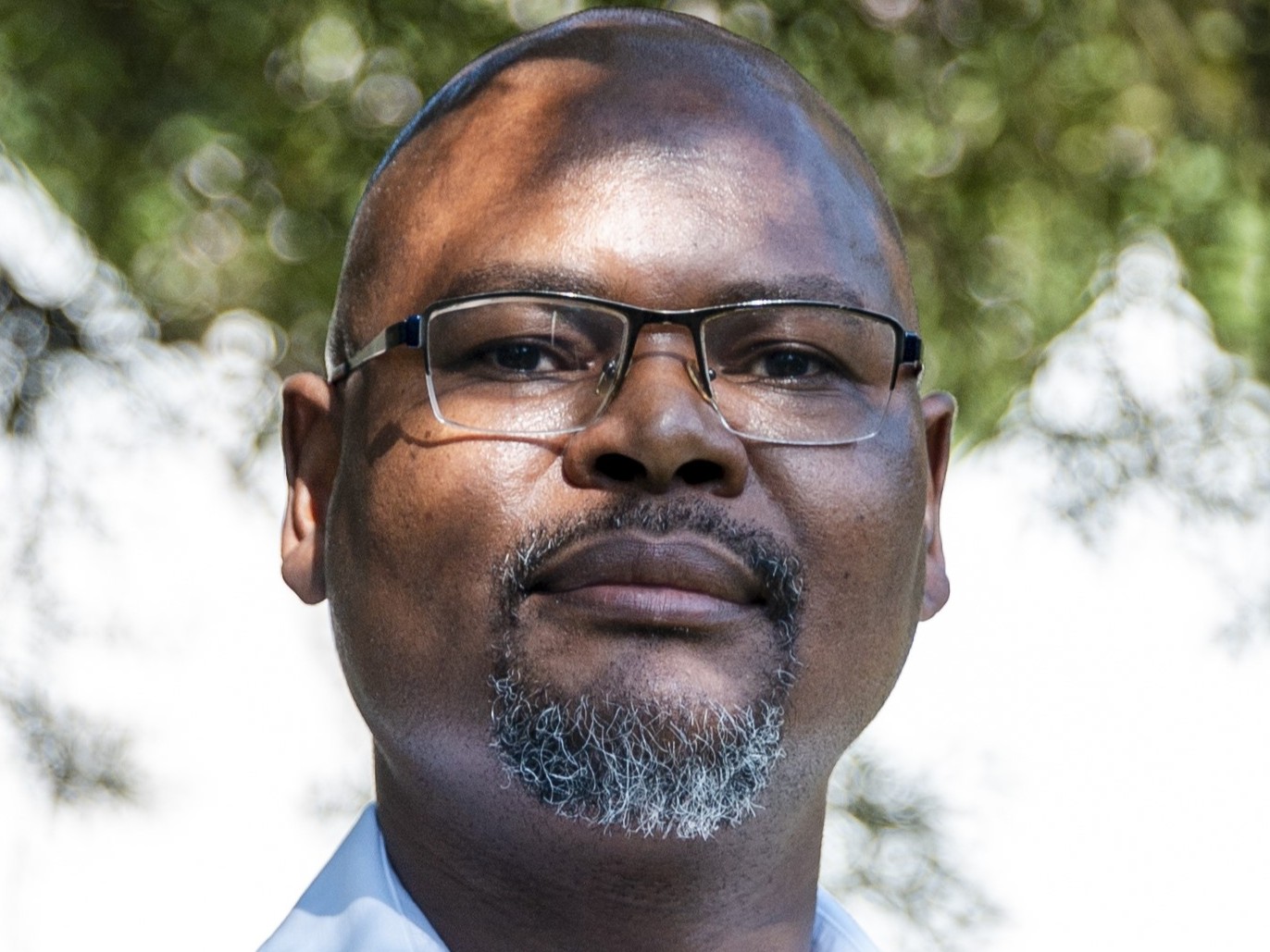
Bhekisisa Mncube is an author, multi-award-winning columnist and manuscript assessor for a leading South African publisher with interests in culture, politics, literature and, of late, all things Netflix.
Queendom was made for BET Africa.
Its 130-episode first season ran from 22 April 2024 to 19 June 2025.
It later streamed on eVOD and arrived on Netflix in July 2026, entering South Africa’s weekly television Top 10 at number two and remaining there for eight consecutive weeks.
At the time of writing, Netflix South Africa carries 100 of the 130 episodes.