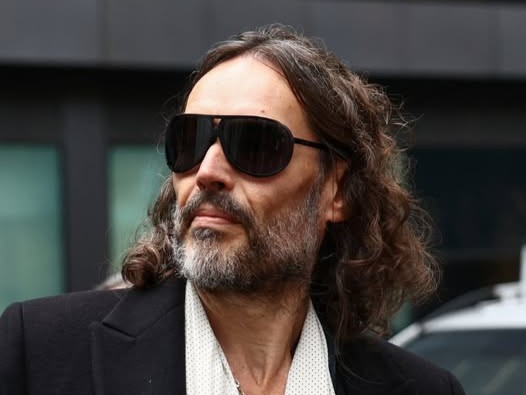
London – Russell Brand, once a flamboyant British comedian, actor and broadcaster known for his chaotic energy, drug-fuelled excess and later reinvention as a spiritual influencer and family man, was sentenced on 9 November 2026 to 10 years and six months in prison for rape and sexual assault.
(Source: bbc.com)
At Southwark Crown Court in London, Justice Bennathan described the 51-year-old as a “sexual predator” who had displayed “staggering arrogance” and told a “series of lies.”
Brand was convicted the previous Thursday of one count of rape and three counts of sexual assault against four women.
The offences occurred between 2004 and 2009, at the height of his rise from stand-up comic and radio/TV presenter to Hollywood actor. He was acquitted of two other rape counts and one of attempted indecent assault.
He must serve at least two-thirds of the sentence (around seven years) before becoming eligible for release on licence, and will be on the sex offenders’ register for life.
(Source: theguardian.com)
The women involved are entitled to lifelong anonymity under UK law. The rape conviction related to a 21-year-old fan in 2009.
After meeting her following one of his stand-up shows at London’s Hammersmith Apollo, Brand invited her to his Hampstead home.
What began as consensual activity turned non-consensual when he anally raped her, ignored her protests, removed a condom and ejaculated, then told her to clean up.
She later described living with trauma and fearing she had contracted HIV.
The three sexual assaults involved groping and other non-consensual acts against women working in television and radio environments between 2004 and 2009.
Victim impact statements portrayed Brand as a predator without remorse who left lasting psychological harm.
(Source: bbc.com)
Brand’s wife, Laura Gallacher (also known as Laura Brand), whom he married in 2017, attended the sentencing.
She has stood by him throughout the trial and gave character evidence describing him as caring, kind and a wonderful father.
In court she mouthed “I love you, I’ll be OK” and was seen shaking slightly, breathing deeply and muttering “it’s OK, it’s OK” as she left, supported by friends.
Brand, showing little outward emotion, nodded to her and said “We’ll be OK” (or mouthed “I love you”) as he was led away.
His defence barrister said the convictions had caused her “total devastation,” yet she remained supportive while struggling to explain events to their children.
(Source: pagesix.com)
Russell Edward Brand was born in 1975 in Essex.
He became famous in the mid-2000s hosting Big Brother’s Big Mouth, as a provocative radio DJ (including the notorious Sachsgate incident with Jonathan Ross), and through stand-up specials marked by rapid-fire wordplay, sexual bravado and chaotic charisma.
Hollywood roles followed in films such as Forgetting Sarah Marshall and Get Him to the Greek.
He was open about years of heavy drug use (heroin, crack and others), addiction, promiscuity and a turbulent personal life that included a short-lived marriage to Katy Perry.
After getting clean, he repositioned himself as a wellness and spiritual commentator, podcast host and online content creator who criticised mainstream media and institutions, while embracing elements of faith and family life.
(Source: en.wikipedia.org)
By the time of the trial he presented as a reformed figure: a father of three (daughters Mabel, born 2016 and now about 10, and Peggy, born 2018; plus a son born in 2023) living more quietly, latterly in Florida after time in Oxfordshire.
He had built a large online following through videos on topics ranging from mental health and politics to spirituality.
The 2023 media investigations by The Times, Sunday Times and Channel 4’s Dispatches brought the historical allegations into the open, leading to the police investigation, charges in 2025 and the 2026 trial.
(Source: graziadaily.co.uk)
What comes next is prison. Brand has already spent days on remand at HMP Wandsworth.
Further rape allegations remain under investigation by the Metropolitan Police, with files submitted to the Crown Prosecution Service; these could lead to additional charges.
Civil claims have also been reported.
His online platforms and public profile face an indefinite hiatus.
For his wife and young children, the sentence means years of separation and the challenge of navigating the fallout.
The case has been cited by police as an example of holding a high-profile offender accountable for historical offences, with detectives noting the courage of the women who came forward years later.
Brand’s trajectory—from the wild, celebrated excess of the 2000s through public redemption narratives to a lengthy custodial sentence—illustrates both the long shadow of past behaviour and the limits of personal reinvention when tested in court.
The judge’s words underscored that fame and charisma offered no defence against the evidence of non-consensual acts.
For the anonymous victims, the convictions and sentence represent a measure of justice after years of silence.
Disclaimer: This article was compiled using the AI tool Grok on X and may contain inaccuracies