During the 20th and 21st Centuries, the South Luangwa Hunting Community of Zambia was progressively shaped by international wildlife hunting benefits in ways that are little-known to the world.
Today, it is where the world is given a new lens to catch a rare glimpse of the little-known, but stunning, and mind-set-changing international hunting benefits.
Yes, the world now knows that hunting revenue is being used to support community infrastructure in SADC hunting communities.
It includes funding the construction and provision of roads, schools, mortuaries, stores, boreholes, tourism lodges, and grinding mills.
Some of the other benefits include wildlife conservation and employment creation.
Its also a fact that international hunting revenue has transformed former poachers into absolute conservationists.
Of course, the world is now aware that Zimbabwes international hunting-income-built Masoka School has and continues to produce medical doctors, nurses, accountants, teachers, technicians, etc.
However, Zambias South Luangwa Communitys mind-set-changing benefits from international hunting are a bit unique.
International hunting benefits made this very traditional Zambian community that used to resist family planning embrace it, to avoid over-population that would displace wildlife animals from land set aside for wildlife conservation.
But something more unique was also in the making.
Years later, some of the revenue from wildlife hunting was used to support the conversion of a very old and rundown local building into what turned out to be the only secondary school in South Luangwa Community.
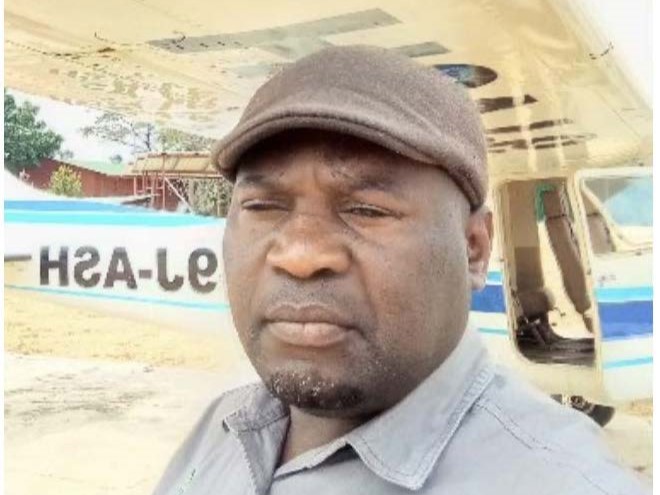
This international hunting revenue-built secondary school later produced a top SADC rural communities representative – the Chairman of SADC Community Leaders Network that represents millions of rural communities in Southern Africa that co-exist with and look after wildlife, Dr. Rodgers Lubilo.
He holds a PhD in philosophy and is articulate.
He can debate wildlife issues at the highest international level as happened at the November 2022 CITES CoP19 in Panama City; where he demanded the inclusion of rural communities in the CITES decision-making framework.
I grew up in South Luangwa, a community with very limited opportunities and if we didnt receive support from international hunting revenue that was used to build the school that I attended, we were not going to develop ourselves, said Dr. Lubilo.
There are many people who attended and still the same school and are benefiting from it.
Dr. Lubilo has emerged as the top-drawer defender of the needs and rights of SADC rural communities.
His job is full of challenges, and he is ready to confront them.
Stung by the CITES CoP19 decision to totally exclude all rural communities worldwide [including those from the SADC region] from the CITES decision-making framework, Dr. Lubilo expressed disappointment at this animal rights fundraising industry-influenced decision that was endorsed by countries that included the U.S.A. and Kenya from the African continent.
This led him to “fire back” by delivering what might go down in history as one of the most powerful speeches ever delivered by a rural community representative, in defence of rural communities rights to participate in the CITES decision-making process.
It was a moment when the world superpowers attending CITES CoP19 and the who-is-who of the animal rights fundraising industry learnt that international hunting has produced a powerful leader.
They now know that this leader can never be silenced when the rural communities rights to participate in international decision-making about wildlife are violated.
After all its the rural communities that own, look after and co-exist with wildlife.
Therefore, it doesnt make sense to exclude these communities to be excluded in the CITES decision-making framework.
Therefore, Dr. Lubilo took the opportunity to tell the world that communities living with wildlife have power to make it survive.
He warned that they can also destroy it, if the powers that be decide to restrict or take away wildlife benefits from rural communities that co-exist with it and look after it.
We might not have the political power but ultimately, we decide on the fate of African wildlife, said Dr. Lubilo, telling off those who might not know that its the wildlife producer communities that hold the keys to the life and death of African wildlife.
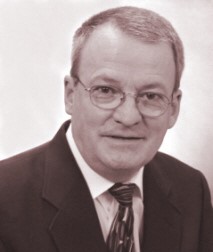
The former CITES Secretary-General (1982-1990) and President of the Switzerland based-NGO, IWMC-World Conservation Trust and Eugene Lapointe agrees that when communities co-existing with wildlife dont benefit from it, they will see no reason not to poach it.
“You take care of people, and they will take care of nature; you drive people into poverty and hunger through restrictions, limitations and prohibitions, and they will destroy nature, not by greed but by necessity,” said Lapointe.
Dr. Lubilo said that if CITES has to live longer and continues to be legitimate it needs to recognise community involvement in wildlife conservation discussions.
The U.S.A.-based Navajo Community, represented by Jessica Ford together with a Mexican communities representative, supported Dr. Lubilos call for rural communities worldwide to be granted a CITES Advisory Committee status within the CITES decision-making framework.
Sadly, this move was overwhelmingly rejected but the communities and their representatives havent given up their fight for their inclusion in the CITES decision-making framework.
We have the power to remove wildlife and use the land for something else, Dr. Lubilo said frankly and factually.
If our communities dont benefit, we will destroy wildlife. What can CITES meet to discuss in the future without wildlife?
*About the Writer: Emmanuel Koro is a Johannesburg-based independent international award-winning environmental journalist who writes extensively on environmental and developmental issues in Africa.
*The views expressed by the author of this article, Emmanuel Koro, are not necessarily those of The Bulrushes