Johannesburg – This week, the Gauteng Department of Health (GDoH unveiled a Mental Health Museum to raise awareness and promote the rights and responsibilities of healthcare users.
Gauteng Health and Wellness MEC Nomantu Nkomo-Ralehoko unveiled the newly established museum on Tuesday, (31 October 2023).
The MEC said the museum was part of the GDoH efforts to create awareness and showcase the improvement of mental health services in the province.
The unveiling of the museum came as the country concludes Mental Health Awareness Month, under the theme “Mental Health is a universal human right”.
Located at Weskoppies Psychiatric Hospital in Tshwane, the newly established museum is situated in a historical building, which was built over a century ago in 1920.
In those days, the building was used as accommodation for the Medical Superintendent.


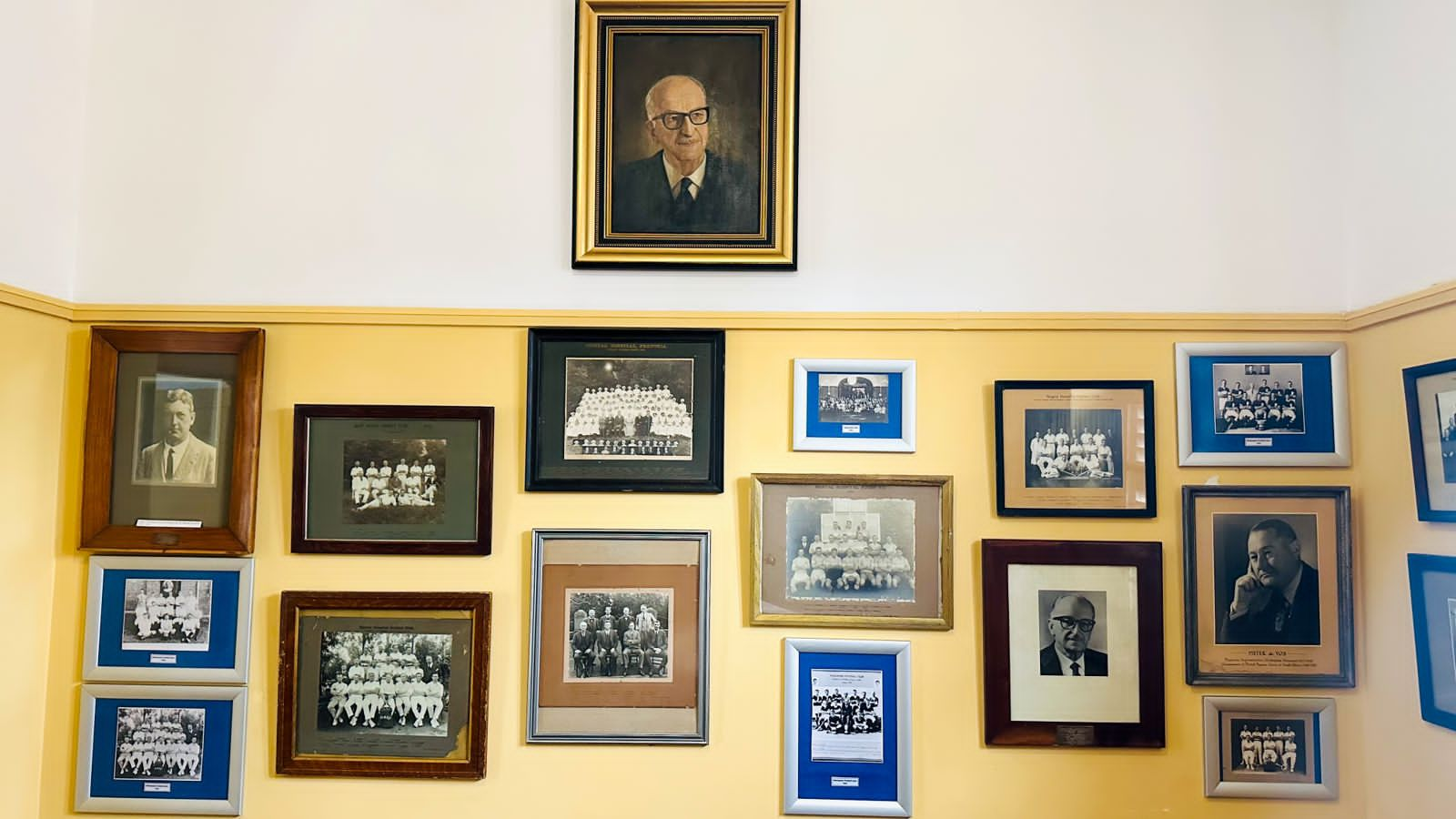

The museum is meant to empower the public, health workers and other stakeholders by exhibiting and showcasing historical artifacts and information from as far as 1892, through to the present day on mental health services in Gauteng.
MEC Nkomo-Ralehoko said that the museum invites the public to confront misconceptions and preconceived notions about mental health, replacing them with understanding, empathy, and compassion.
“It provides a space for individuals, families, and communities to engage with this crucial aspect of our well-being in a meaningful and informative way,” said MEC Nkomo-Ralehoko.
“Beyond its educational role, the museum serves as a symbol of hope.
“For those who may have felt isolated or marginalised in their struggle with mental health, it offers a reminder that they are not alone, that their experiences are part of a broader wall-hanging of humanity.”
In addition, the MEC also said that the museum stands as a heartbreaking reminder of the historical injustices and inhumane treatment endured by those with mental disorders.
“It is a beacon for acknowledging the basic human rights, including universal access to mental health services,” said MEC Nkomo-Ralehoko.
“Significant progress has been made in ensuring quality mental health services and regulating treatment and rehabilitation practices.
“The Mental Health Care Act of 2002 (Act No.:17 of 2002) played a pivotal role in this transformation.
“It advocates for the care, treatment, and rehabilitation of individuals living with mental and intellectual disabilities across all levels of care.”
In a related development, the GDoH said it was implementing several interventions to increase resources for mental health.
The interventions include mental health specialised professionals and rehabilitation services to improve access and availability of mental health services in the province.
In addition, the GDoH said several facilities had been refurbished and others were undergoing renovations to ensure an addition of 206 beds by the end of the 2023/24 financial year.
The renovations were taking place at mental health facilities at Bertha Gxowa, South Rand, Tshwane District, Tembisa, Edenvale, Dr. George Mukhari, and Chris Hani Baragwanath Academic hospitals.
Presently, the province has 1 896 acute mental health beds.
The GDoH is also working with other stakeholders to apply universal preventive measures that reduce the risk of mental ill-health.
This includes the promotion of social inclusion policies, support and direct investment for vulnerable groups and investment in communities and young people to reduce crime.
Moreover, the Gauteng College of Nursing is addressing the limited graduate output leading to a shortage of mental health care practitioners and specialist nurses by advocating for accreditation of the programme.
Efforts have already been made to train nurses to fulfil the requirements and meet the imminent mental health care needs.