Pretoria – The Department of Health has called for “vigilance, and transparency” after theNational Institute for Communicable Diseases (NICD) confirmed two more cases of the Mpox disease, (previously known asMonkeypox).
Both cases were from local health facilities – Addington and St Augustine Hospitals – in Durban, KwaZulu-Natal.
The Department of Health on Wednesday said it was informed this week of the Mpox cases by the NICD.
RELATED: Another Mpox Disease Case Recorded In SA, Tests And Screening Urged – The Bulrushes
The department issued a statement appealing to anyone, who has been in close contact with known or suspected patient(s) of Mpox disease, to cooperate with health officials and urgently present themselves at the nearest health facility or healthcare provider.
The department said presenting to a healthcare facility must be done without delay for clinical evaluation to ensure early diagnosis and effective treatment if they test positive.
“The preliminary case finding report has revealed that the two recent cases had contact with the other previously confirmed case in the province, and this suggests that there is a local transmission of the disease which could potentially lead to a larger outbreak in the province,” the department said.
“This brings the total number of laboratory-confirmed cases in the country to four (three in KwaZulu-Natal and one in Gauteng); all of them are South African males of mid and late 30s.”
The Mpox virus is transmitted from one person to another by close contact with lesions, sexual contact, body fluids, respiratory droplets, and contaminated materials such as bedding.
The incubation period of Mpox is usually from six to 13 days but can range from five to 21 days.
The department said health officials rely on transparency and cooperation from cases/patients for contact tracing and case finding to determine the rate of transmission of this infectious virus at the community level.
The department applauded the patients whose honesty and courage during the investigation process, assisted officials in tracing suspected cases that also tested positive.
“Thus, it is through transparency of both confirmed and suspected cases that the government can prevent further transmission and avoidable deaths,” the department said.
In collaboration with various stakeholders, the department said it was intensifying, epidemiology and surveillance, and Risk Communication and Community Engagement (RCCE) activities.
“These will also help to address social stigma which contributes to people`s decision not to openly speak out because they suspect communities will not accept them due to their health conditions,”‘ the department said.
“In most cases, stigma contributes to the spread of the virus thereby making the outbreak and transmission worse.”
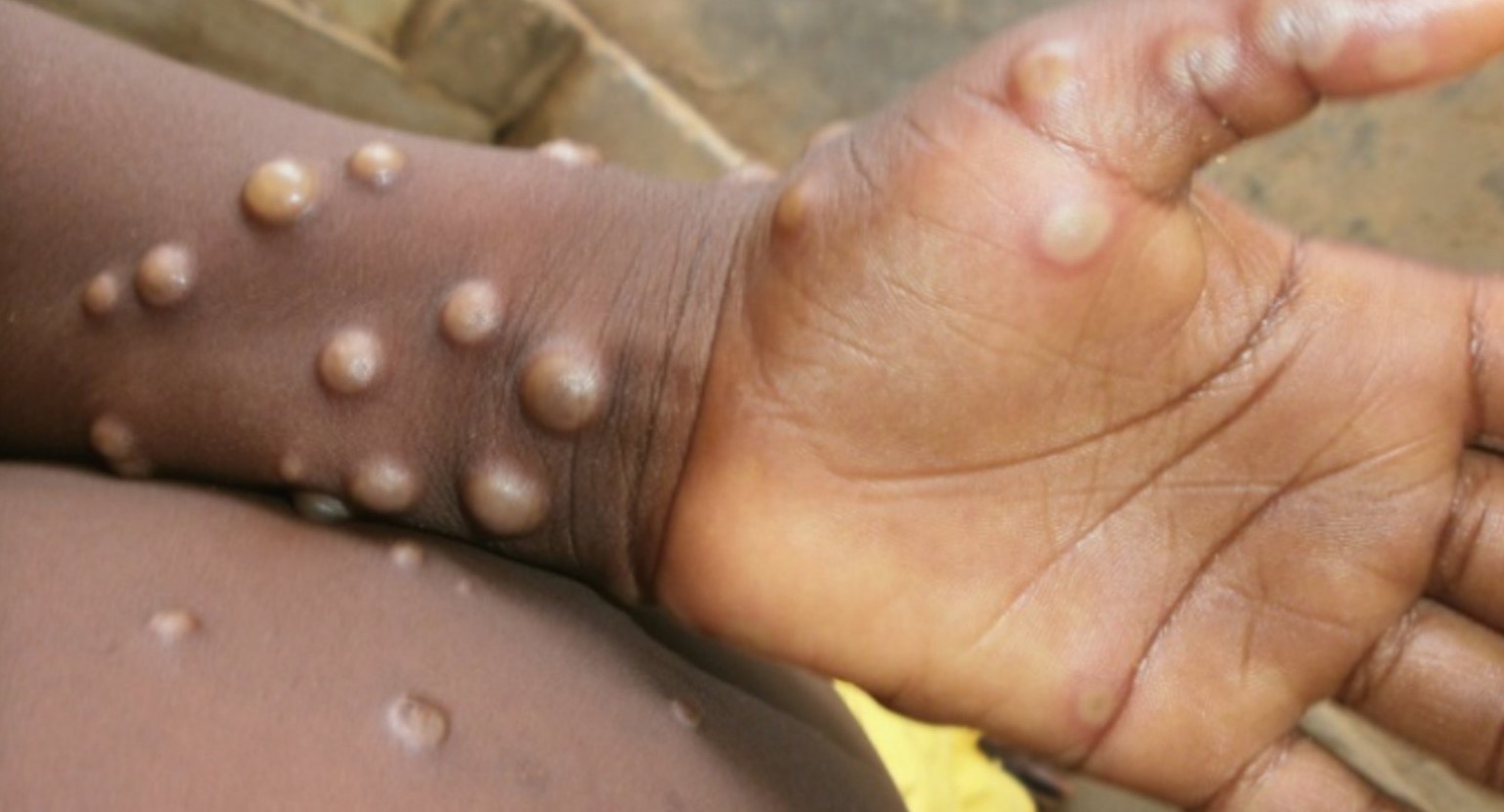
Some of the common symptoms of Mpox include a rash, which may last for two to four weeks, fever, headache, muscle aches, back pain, low energy, and swollen glands (lymph nodes).
The painful rash looks like blisters or sores and can affect the face, palms of the hands, soles of the feet, groin, genital and/or anal regions.
“However, there is no need for the public to panic because the situation remains under control, and the department will keep the public informed of the situation,” said Foster Mohale, spokesperson for the department.