
The outcomes of the 7th South African general elections in May have given the country an opportunity for a reset.
The electorate’s invocable call for a change in direction presented the nation with an opportunity that needed to be grabbed with both hands.
This resulted in the formation of the Government of National Unity (GNU), a step in the right direction.
The GNU holds the grand potential to rejuvenate and renew our democratic experience, principles, and practices, writes Alison Weihe, author, political activist, and former trade unionist.
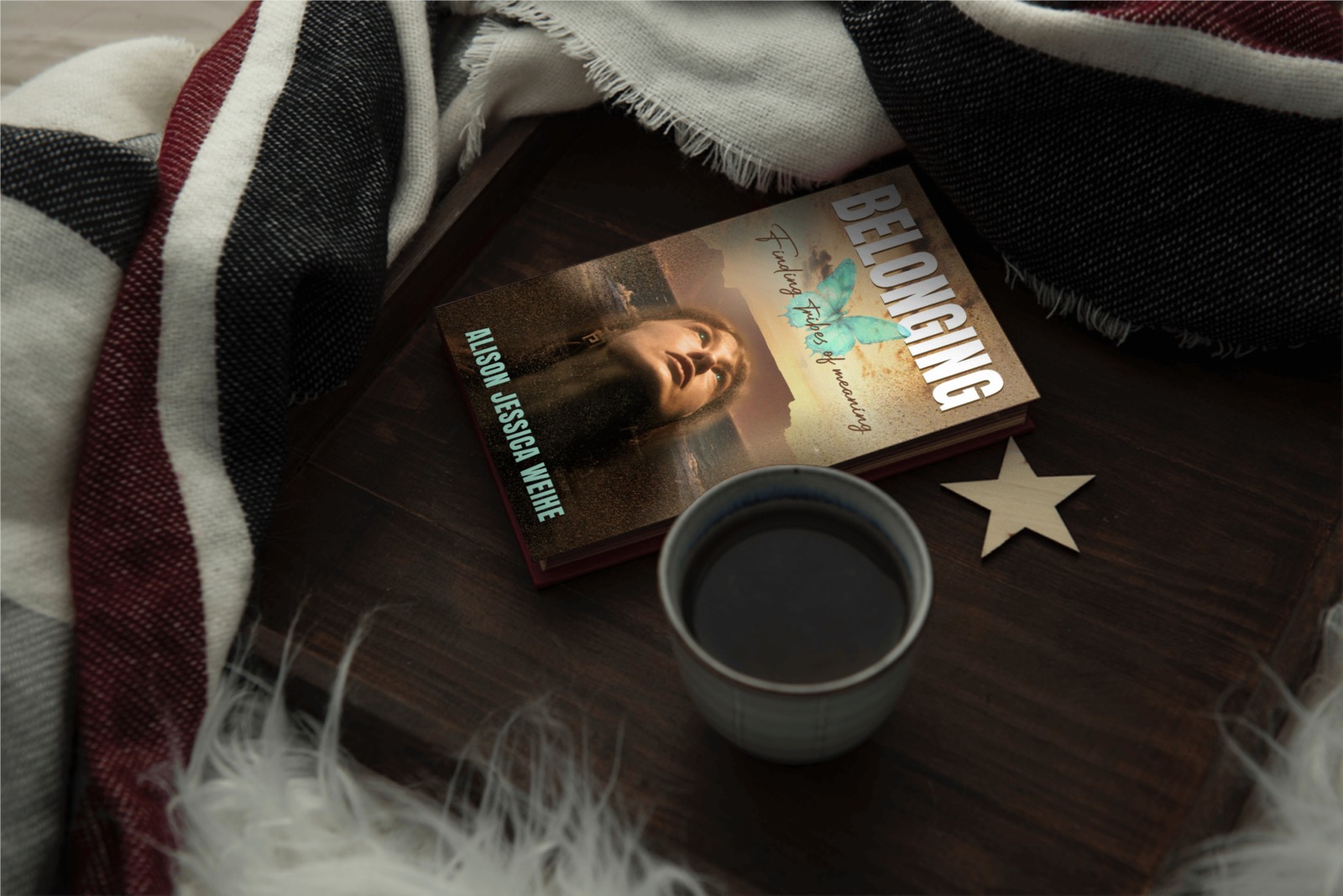
My book, “Belonging: Finding Tribes Of Meaning”, an international debut memoir, relays my journey of self-discovery and personal growth.
I write about my emotional and physical transformation from a sensitive child who never felt “enough”.
I see interesting parallels between my challenging journey and the turbulent journey South Africa travelled on the road to democracy.
I believe, in hindsight, as a young adult, this was part of the dream for me when I hopped on a bus marked “non-whites” in my first year of University in Stellenbosch at the height of apartheid.
At the time I was not aware of Rosa Parks – the Black civil rights activist whose refusal to give up her bus seat to a white man ignited the American civil rights.
One day, I simply decided that in this crazy world that we were living in, I could no longer sit on benches marked “whites only”, it was bizarre.
I got on a bus that was clearly marked “non-whites” and I looked at the driver and he looked at me, an elderly African gentleman, and he knew, and I knew that we were both living in insanity.
Today, the GNU has been pegged as a new era for South Africa, a type of rebirth that has already started bearing fruit in the economic, patriotic, and political landscape of the country.
Commenting on the formation of the 10-party GNU, South African President Cyril Ramaphosa said it “was a fulfillment of the wishes of the electorate”.
Voters, for the first time since democracy, had not chosen an outright majority during the elections, and as such these political parties collaborated to form the Cabinet of the 7th administration.
This collaboration has the heart of ordinary South Africans at its center.
As a South African, who has lived in pre-democratic and post-democratic times, this is a move in the right direction.
To see a united government made up of so many parties is a dream realised in my lifetime, which is not only a gift but an affirmation of the South African spirit that so many of us not only fought for but always knew we had.
A little over a month since the Cabinet announcement, the GNU is already having a positive impact on the economy.
The rand strengthened right after the formation of the GNU.
Insights and reports on the GNU also show a rise in business confidence.
The recent release of the second quarter Gross Domestic Product (GDP) data by Statistics South Africa (StatsSA) comes a few weeks after the GNU formation.
The data paints a positive picture for growth going forward.
I am optimistic that the coalition could have a profound impact on this data in due time.
Among its principles, the GNU highlights, redress and equality; alleviation of poverty; human dignity and progressive realization of socio-economic rights; and unity in diversity, which are some of the principles that align with Weihe as she holds fast to her conviction to live a life of contribution.
I believe that the GNU could stabilise the economy and foster growth while reinforcing democratic values and institutions.
As soon as the fruits of this union begin manifesting, ordinary citizens will not only thrive but so too will the nation.
I’m glad that I hopped on that “non-whites” bus those many decades ago.
I’m more glad that the GNU bus has continued to move, giving room for many more South Africans to hop on and partner to actualise this Rainbow Nation of phenomenal people that our forebearers dreamed of.
As long as the GNU bus continues to move, I have no doubt we’re headed in the right direction.
*The writer of this article is Alison Weihe an author, political activist, and former trade unionist. The views expressed by Alison Weihe are not necessarily those of The Bulrushes