Pretoria – The private sector has been urged to help reverse the alarming decline in mathematics and science education at South African high schools.
This comes in the wake of recent reports that more than 400 schools nationwide have stopped offering Mathematics altogether.
Inqubeko Training Academy, which partners with corporate South Africa to improve high school performance in critical subjects, said there was a strong business case for private sector intervention, both to drive social impact and to secure a future-ready talent pipeline.
“Mathematics and science are foundational for careers in engineering, data science, finance, medicine, and even skilled trades,” says Visa Khambule, Executive Manager at Inqubeko.
“When schools stop offering these subjects, it closes doors for learners and narrows the country’s skills base.
“This isn’t just an education crisis—it’s an economic one.”
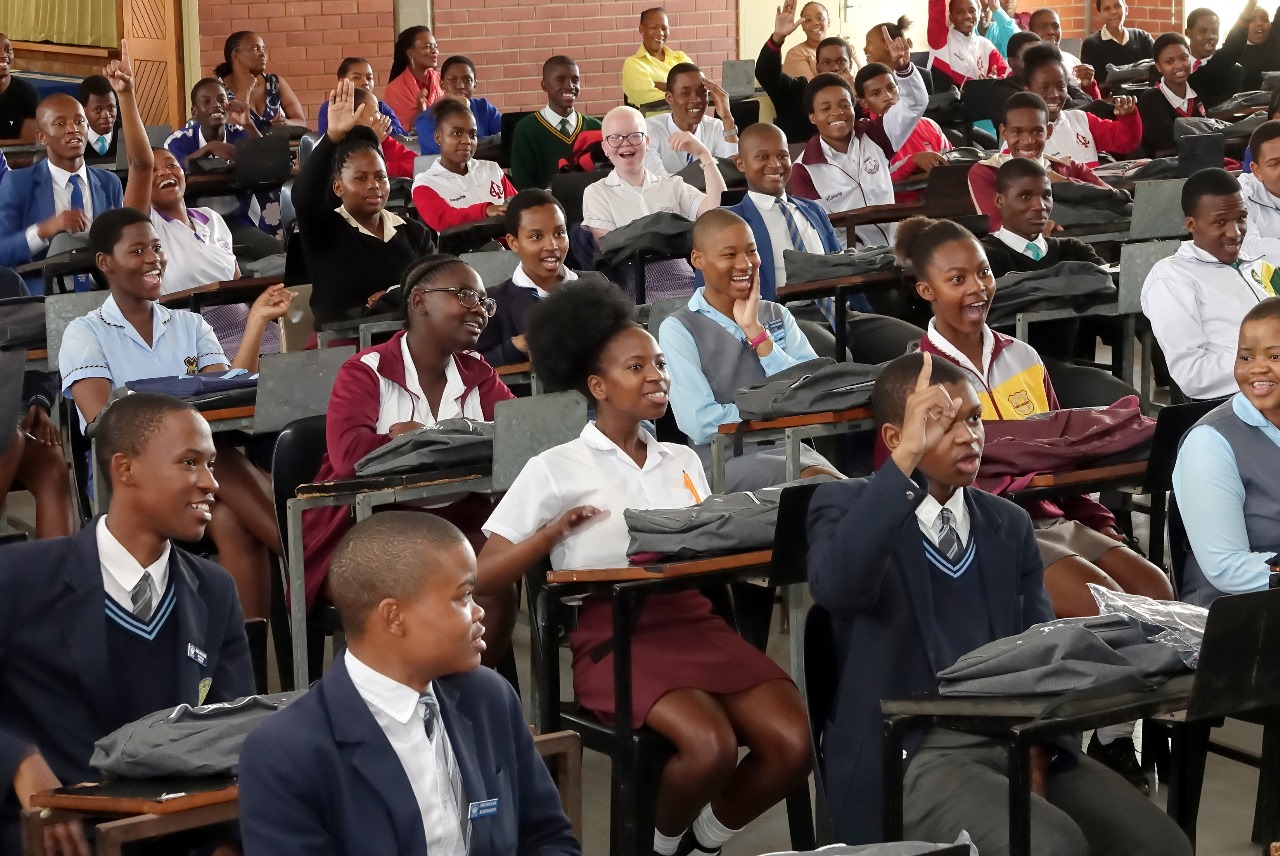
Recent articles have highlighted that schools are abandoning mathematics due to declining enrolment (as learners opt for Mathematical Literacy) and a chronic shortage of qualified teachers.
Inqubeko has already developed a scalable solution that offers tangible improvements in learner performance.
By integrating technology, expertise, and personalised learner development, Inqubeko supports companies in developing work-ready, STEM-skilled youth from under-resourced communities.
This also allows corporates to leverage their compliance budgets to create direct, meaningful impact in surrounding communities – delivering a win for the company, a win for compliance, and a win for the community.
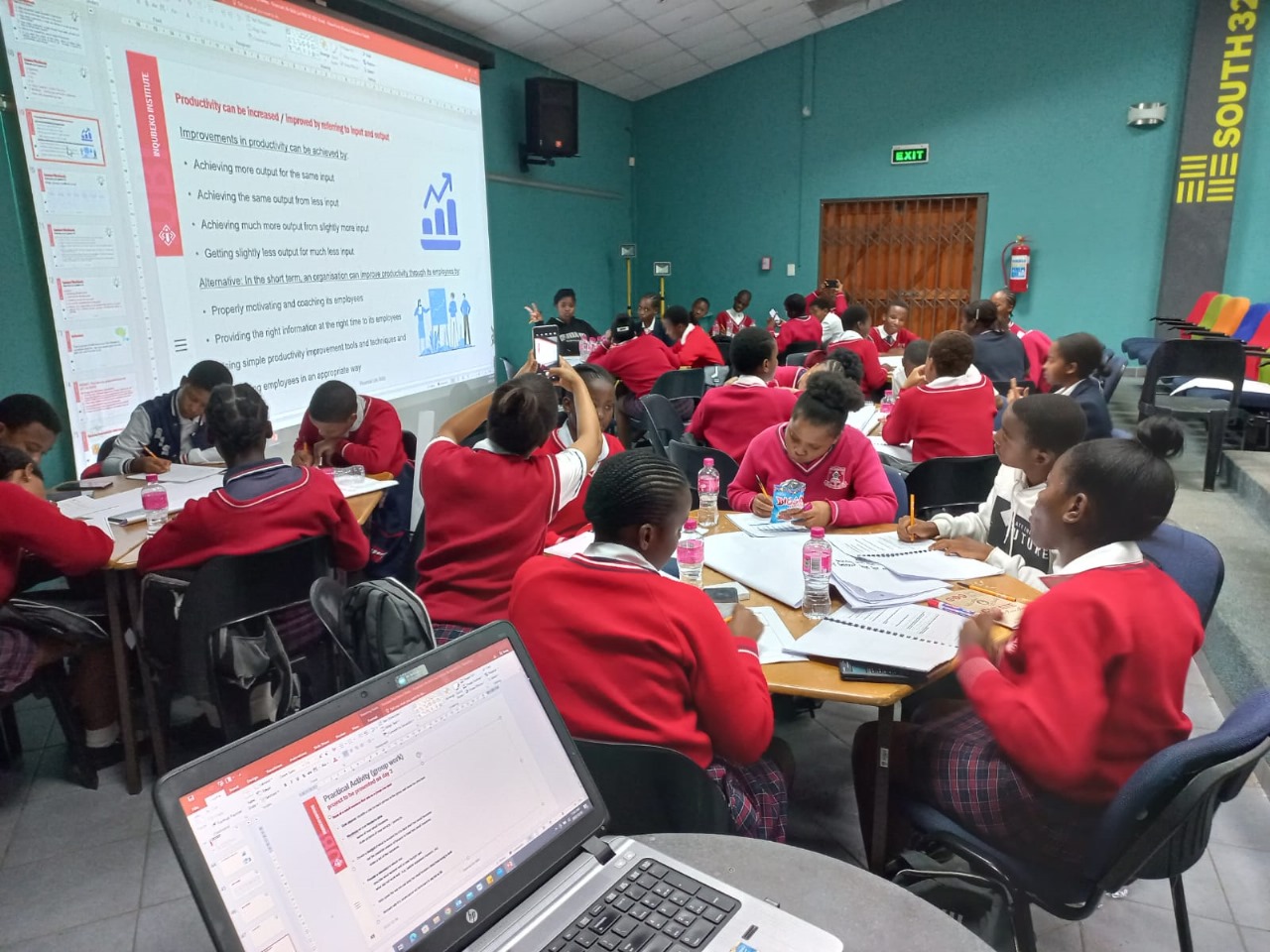
Through its High School Leadership Development Programme, the academy has supported more than 600 learners over the past three years, focusing on core academic skills, technical development, career direction, and leadership.
“We use diagnostic assessments to identify each learner’s strengths and potential, and from there we develop customised growth plans,” explained Khambule.
“This approach makes a measurable impact – not just academically, but in learners’ confidence, leadership, and career prospects.”
In 2024, learners in the programme recorded an average 27% improvement in mathematics and natural sciences, enabling many to meet or exceed the 60% threshold required for university bursaries, TVET college admission, and apprenticeships.
Principals report marked improvements in learner motivation and performance.
“If Inqubeko can include more schools, there will be a positive change across South Africa,” said Muntu Ntombela, former principal of Menzi High School in Umlazi, one of the participating schools.
For the 2025 intake, Inqubeko aims to reach 175 learners across multiple sites.
“The future is full of promise – and it lives in our youth. For corporates, this is a chance to shape the talent of tomorrow. Let’s not miss it,” concludes Khambule.
About Inqubeko
Inqubeko Training Academy partners with corporates to deliver high-impact youth development programmes focused on leadership, STEM education, and career readiness.
Through customised interventions aligned to B-BBEE, skills development, and enterprise development objectives, Inqubeko states that it helps companies build future-fit talent pipelines while making a measurable difference in under-resourced communities.