Chitungulu – When a community begins to reap real and tangible benefits from international hunting, created jobs, infrastructure, and food security support, it becomes impossible to stay silent.
In the remote Chitungulu Community of Lundazi District, Eastern Province, Zambia, international hunting has become more than just a seasonal event; it is a powerful engine driving local development and conservation.
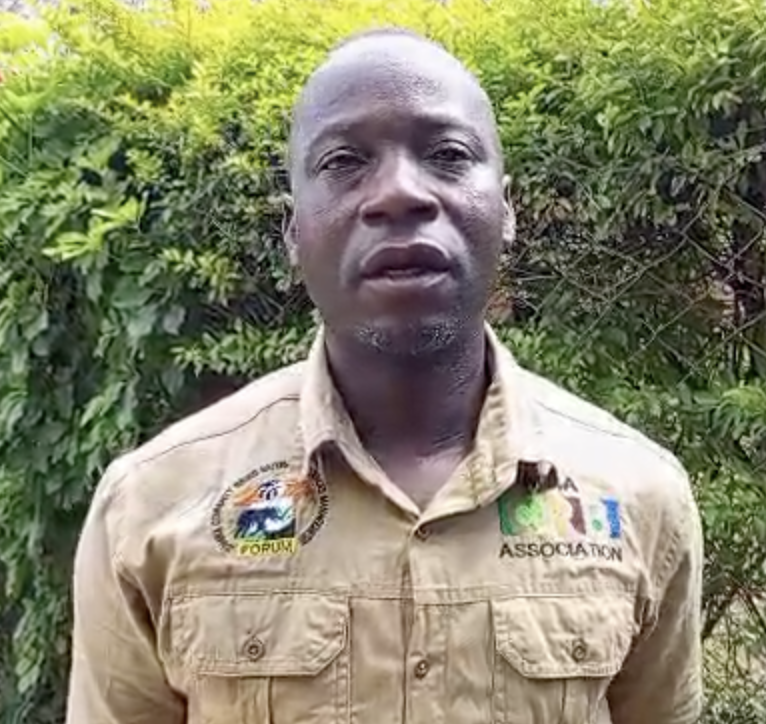
This month, I interviewed one local leader who refuses to stay quiet about these benefits, Felix Zulu.
As Chairperson of the Chitungulu Community Resource Board and Regional Chair for Eastern Province, Zulu is passionate about the link between wildlife benefits and conservation.
“People are benefitting from safari hunting,” said Zulu.
“One of the biggest advantages is employment.
During the hunting season, many community members are contracted for jobs that run from May until November.”
Clad in his khaki uniform, Zulu embodies the spirit of grassroots conservation leadership.
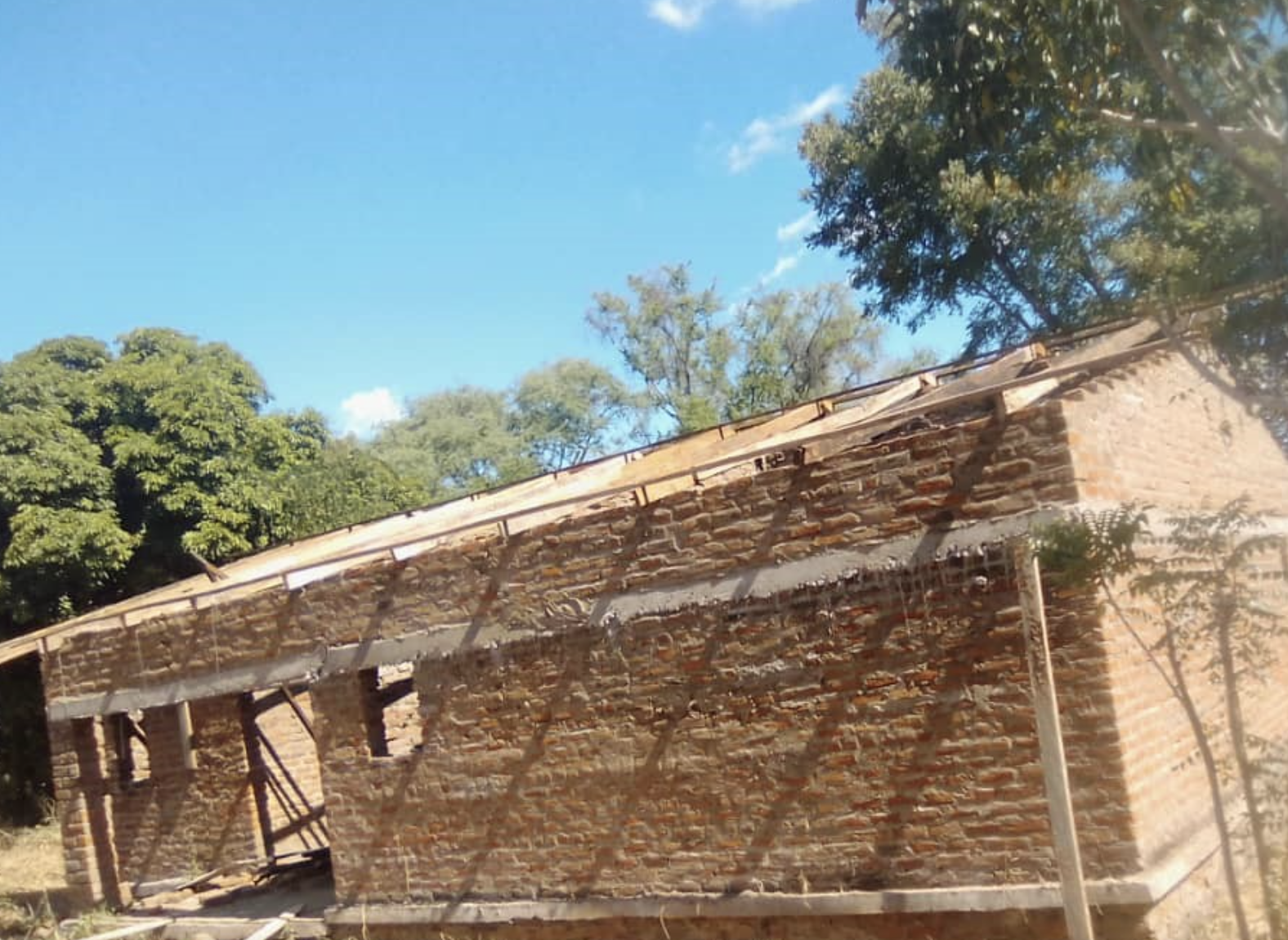
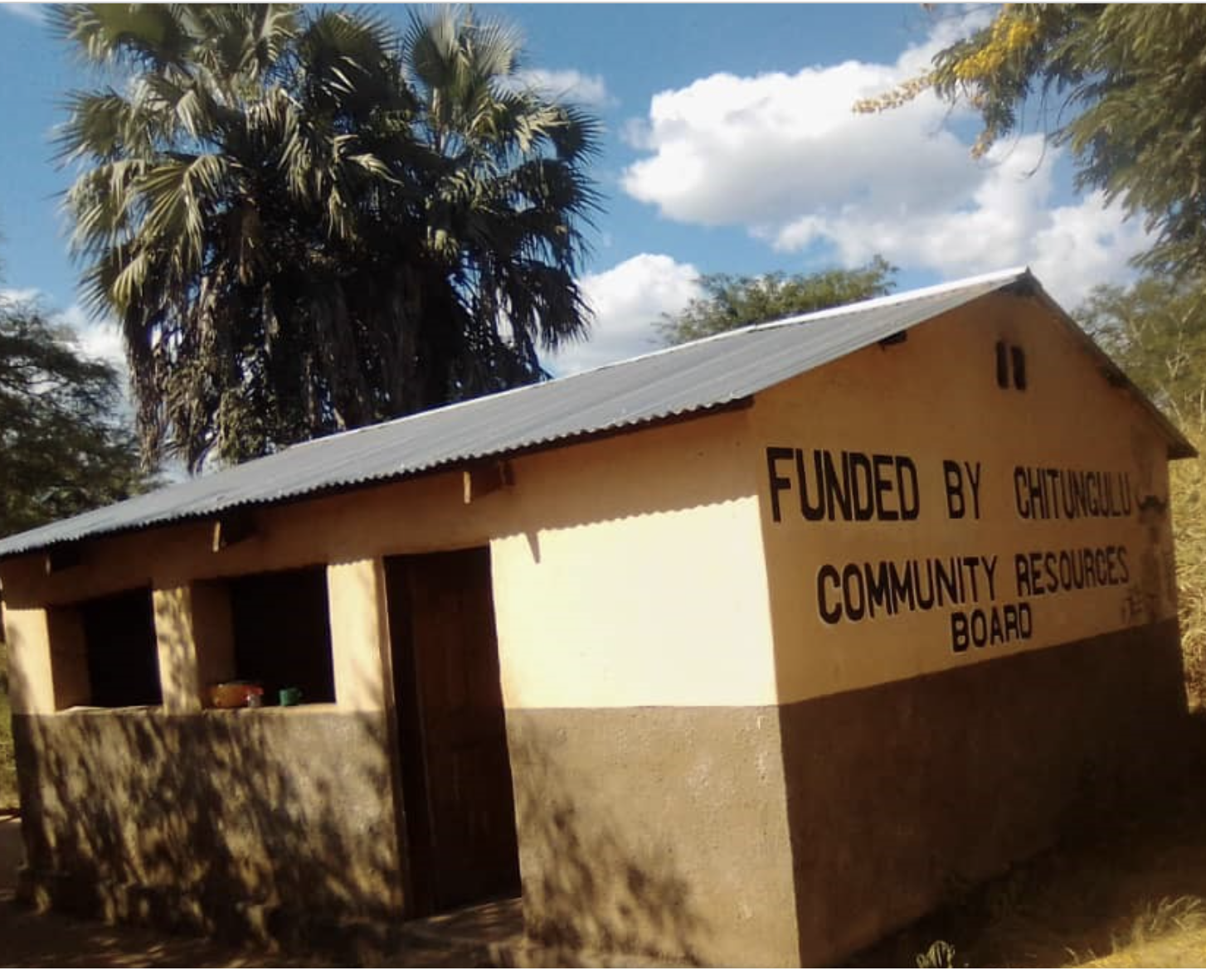
He says that income generated from international hunting is directly reinvested in community-chosen development projects.
“It is the community that decides which projects to undertake.
“These range from livelihood initiatives to infrastructure and education.
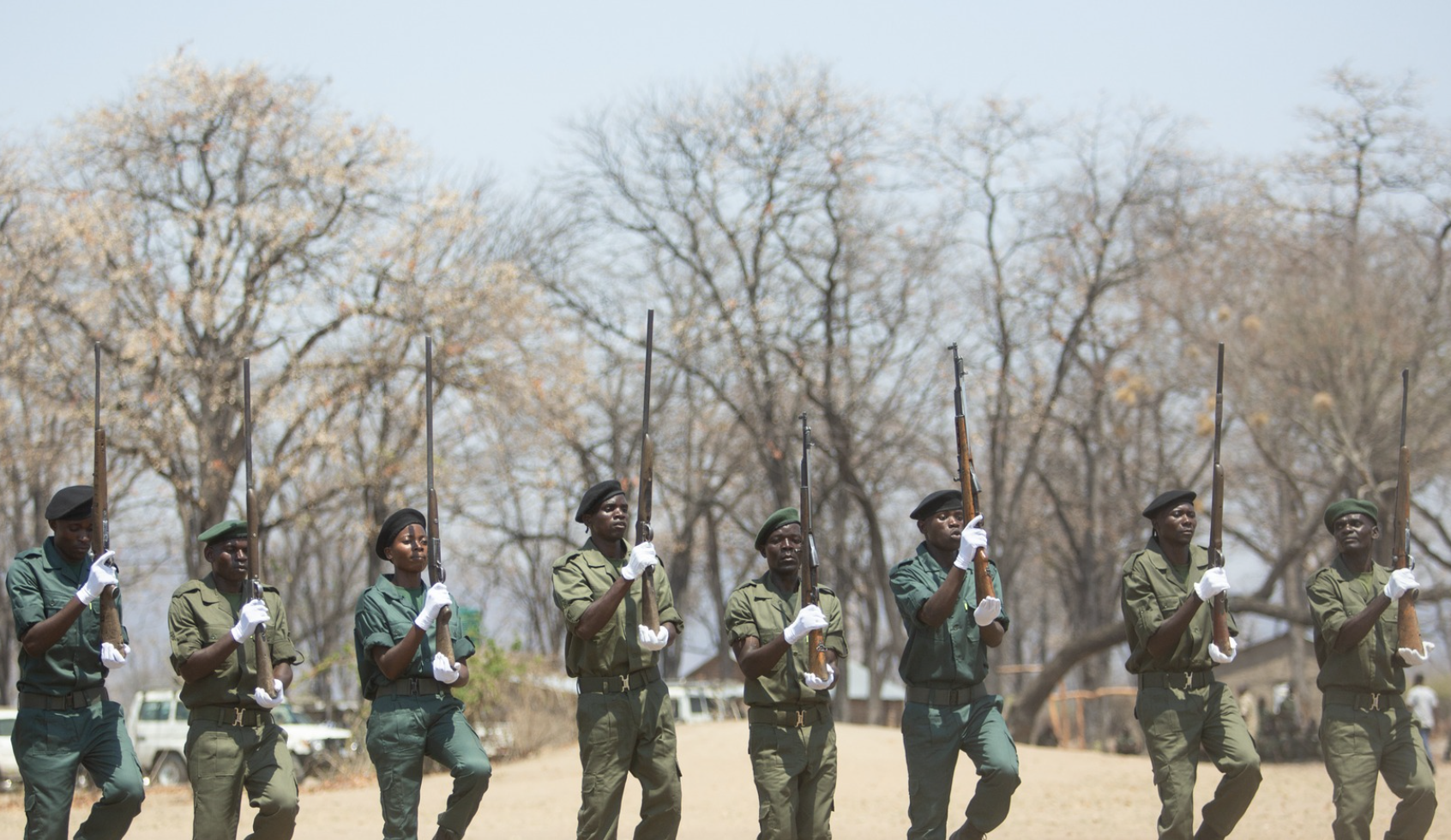
“We even employ our own wildlife scouts using the same revenue,” he explained.
“Another important benefit comes in the form of meat from hunted animals, which is distributed to the community by the safari operator.”
Despite its remoteness, the Chitungulu Game Management Area (GMA) has found a way to balance the needs of people and wildlife.
It is one of the few places where local communities coexist peacefully with wild animals, thanks largely to the incentives provided by sustainable, regulated hunting.
“We are enjoying the benefits of international hunting from our allocated hunting block,” said Zulu.
By providing employment, food, and community development funding, international hunting has empowered the people of Chitungulu to become stewards of the very wildlife that sustains them.
*The writer of this article, Emmanuel Koro, is a Johannesburg-based international award-winning environmental journalist who writes independently on environmental and developmental issues.