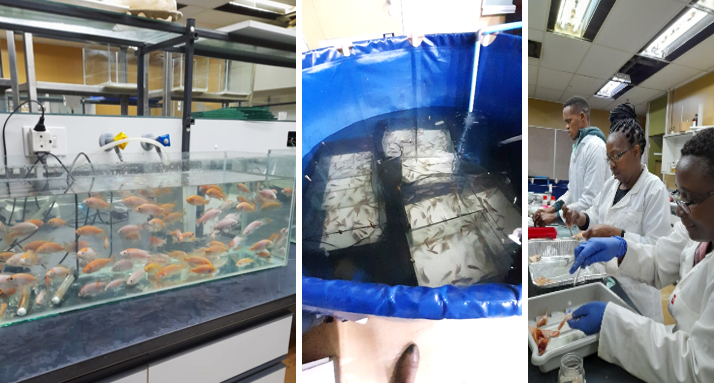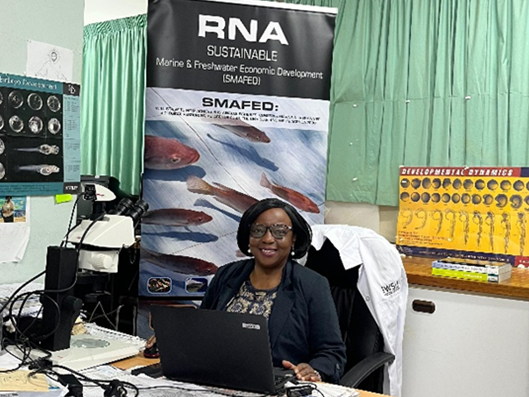
East London – In a groundbreaking study from Walter Sisulu University, researchers have discovered that adding green Rooibos extract to tilapia feed significantly improves fish growth rates and feed efficiency – a finding that could transform sustainable aquaculture in South Africa and beyond.
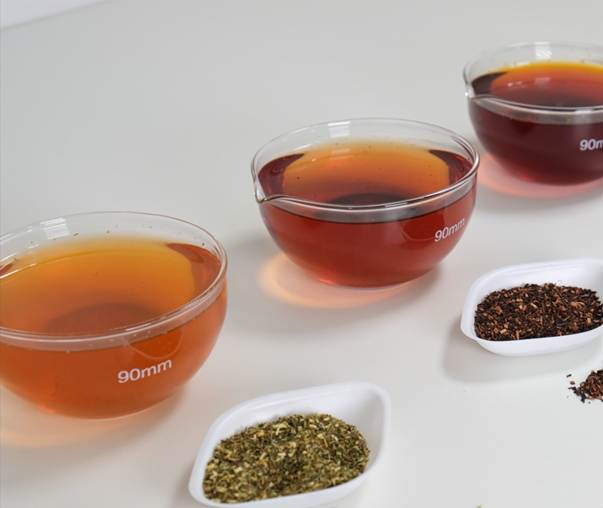
Led by Professor Grace Okuthe, a senior researcher at Walter Sisulu University, the trial compared commercial fish feed with feed enhanced by either fermented Rooibos (the familiar red variety) or unfermented green Rooibos extract.
The results were clear: tilapia fed green Rooibos grew about 2.83% faster and converted feed into body mass 0.9% more efficiently than the control group.
“These may sound like small numbers,” says Prof Okuthe, “but in commercial aquaculture, even fractional improvements in feed conversion translate into substantial cost savings, faster production cycles and reduced environmental impact.”
How Rooibos works in fish feed
The team believes the effect is linked to Rooibos’ bioactive phenolic compounds, which may make feed more palatable, promote gut health, and improve nutrient absorption.
The study also found evidence of DNA protection in the fish, suggesting an overall health benefit.
“These compounds work in harmony with the fish’s digestive system, helping them get more from the same amount of feed,” Prof Okuthe explained.
“It’s not about adding protein or calories – it’s about enhancing the efficiency and resilience of the fish.”
Environmental and economic benefits
Improved feed efficiency means less waste entering the water, which is a major environmental challenge in fish farming.
Reducing nutrient runoff helps prevent algal blooms and protects aquatic ecosystems.
The innovation also has clear economic potential for rural South Africa. Rooibos is cultivated exclusively in the Western Cape.
A commercial-scale demand for green Rooibos extract could create a new market for growers and support job creation in harvesting, processing, and distribution.
“This research shows how an indigenous crop can open new economic pathways,” she says.
“In addition to the potential economic benefit to the industry, it also supports South Africa’s commitment under the Nagoya Protocol, ensuring that benefits flow back to the Khoikhoi and San communities who are the traditional custodians of Rooibos.”
By substituting some imported synthetic feed additives with locally sourced Rooibos extract, fish farmers could also reduce input costs and simplify supply chains – especially important in an era of rising global shipping and regulatory costs.
The study highlights Rooibos’ journey from a traditional herbal infusion to a high-value, science-driven functional ingredient.
“Rooibos has been part of South African life for generations, but now it’s finding a role in boosting sustainable aquaculture and addressing global food security.
“This research underscores how local biodiversity, paired with scientific innovation, can create solutions that protect the planet, while bolstering the country’s reputation in bio-prospecting,” highlights Prof Okuthe.
Opportunities and challenges
While the lab results are promising, commercial application will require careful scaling.
“We know the science works, but moving to large-scale production means ensuring a stable Rooibos supply, maintaining the extract’s potency during industrial feed manufacturing, and proving its benefits across different farming environments.”
Regulatory approvals will also be required before green Rooibos can be widely used in commercial aquaculture.
Long-term studies will need to confirm there are no negative impacts on fish quality, taste, or texture.
The next phase of research will explore testing the extract on other aquaculture species, from freshwater fish to shrimp, potentially creating a universal, natural feed additive.
The global potential
With aquaculture now producing more than half of the world’s fish for human consumption, innovations that improve efficiency while reducing environmental impact are in high demand.
Tilapia, in particular, is one of the most farmed fish globally, prized for its mild flavour, adaptability, and affordability.
A natural, locally sourced additive like green Rooibos could help producers meet growing protein demand without increasing pressure on marine ecosystems or agricultural resources.
“South Africa has an opportunity to lead here. We’re combining heritage, science, and sustainability in a way that resonates with global markets,” emphasises Prof Okuthe.
The Rooibos–tilapia study demonstrates the potential of South Africa’s natural resources to support sustainable aquaculture, improve food production, and create new economic opportunities for rural communities.