Malawian NGO People Serving Girls at Risk (PSGR) and international women’s rights organisation Equality Now have submitted a joint complaint, about poor implementation of anti-trafficking legislation, to the African Committee of Experts on the Rights and Welfare of the Child (ACERWC).
The joint complaint highlights how poor implementation of anti-trafficking legislation by the government of Malawi is leaving girls unprotected against sex trafficking.
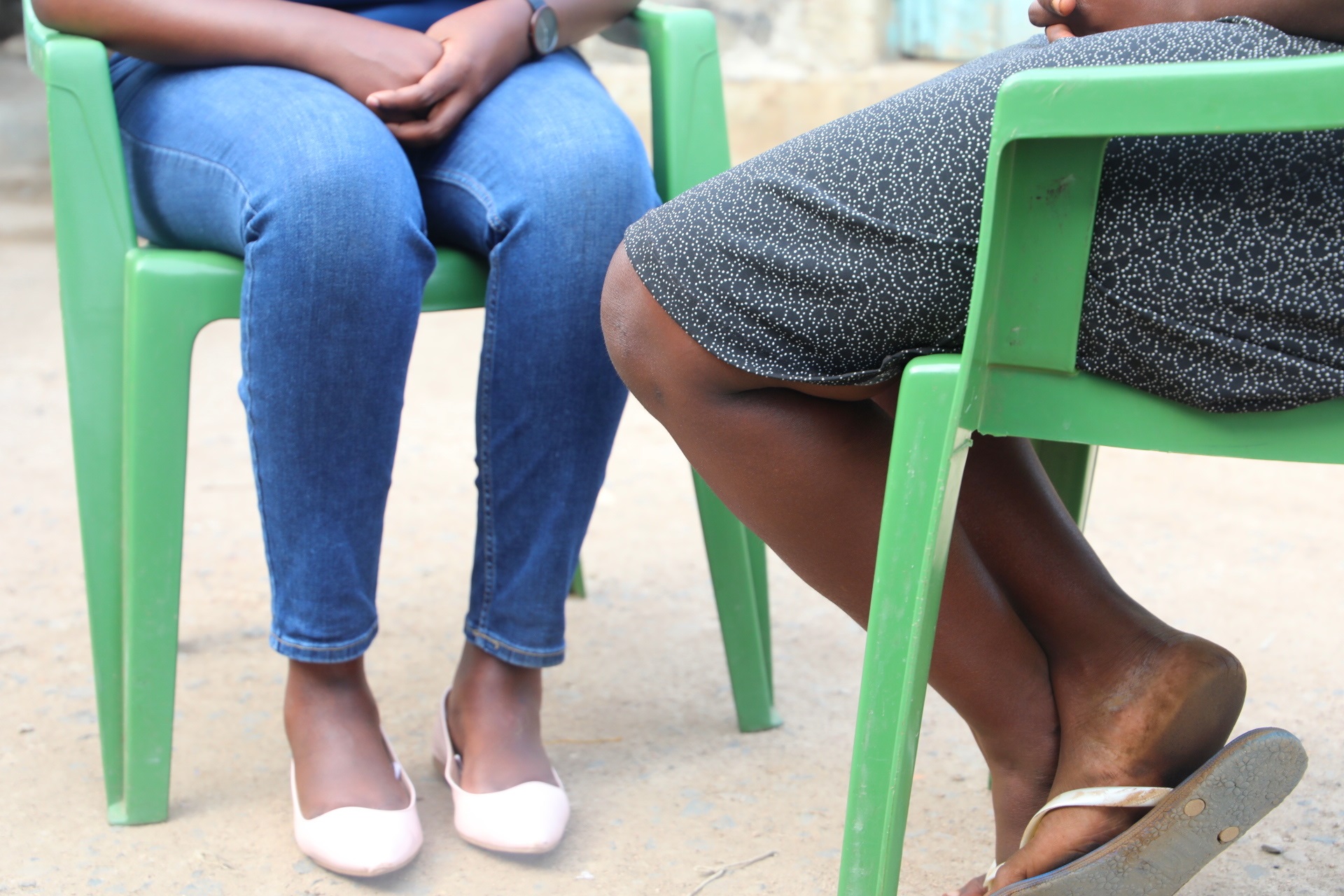
The complaint centers on a woman, who was only 16-years-old, when she was lured from her rural village with a false promise of legitimate work and trafficked into prostitution inside Malawi.
With support from PSGR and Equality Now, the legal case of the woman code-named “Maggie” – to protect her real identity – has been ongoing for more than four years.
The case has been beset by a series of inordinate delays and mishandling by state actors, including police, prosecutors, magistrates, and others in the criminal justice chain.
“The lack of progression in her case – which is still languishing in the pre-trial stage – demonstrates systemic failings experienced by victims of sex trafficking in Malawi,” the complainants say.
The complaint submitted to ACERWC on Day of the African Child on June 16, 2022 outlines ways in which the Malawian government has violated articles of the African Charter on the Rights and Welfare of the Child.
The communication seeks to hold the government to account for failing to progress with the prosecution of Maggie’s case, therefore denying her access to justice.
Malawi is a regional hub for sex trafficking
Malawi is a source, transit, and destination country for sex trafficking.
Widespread poverty coupled with deeply entrenched gender discrimination renders girls extremely vulnerable.
The cost of basic commodities such as food and fuel has risen due to the economic fallout of the Covid-19 pandemic, the impacts of climate change, and the global repercussions of Russia’s war on Ukraine.
Worsening financial hardship is compounding women’s and girls’ susceptibleness to abuse, victimisation and coercion.
This is reflected in the sharp increase in sex trafficking cases being reported to PSGR daily during the past two years.
Traffickers use fraudulent offers of education and employment to snare targets.
Adolescent girls from poor rural communities are particularly at risk, and it is common for victims to be taken to urban areas where they are kept in squalid conditions, forced to work at local bars and rest houses, and coerced into sex with customers.
Commercial sexual exploitation of adolescent girls is one of the most prevalent and abhorrent manifestations of sexual exploitation and sits at the convergence of child abuse, child labor, and human trafficking.
As well as being trafficked internally within Malawi, women and girls are transported across national borders to neighboring countries Mozambique, Tanzania, and Zambia, and further afield to destinations such as South Africa, Europe, and the Middle East.
Such criminal activity generates high profits and comes with a low risk of prosecution.
Survivors must overcome immense hurdles to receive legal justice.
This includes escaping abusive situations, experiencing victim-blaming and stigma, securing safe shelter, and accessing medical and psychosocial care that is key to recovery from physical, sexual, and psychological harms.
Trafficking legislation in Malawi is being weakly enforced
Malawi has stringent legislation against sex trafficking, but enforcement of the law is weak. State actors are often slow to respond, do not prioritize cases, and investigations are inadequate.
“A lack of standardised systems and minimal funding means cases are not effectively identified nor acted upon, and victim protection systems are substandard,” said the complainants.
“There is a pressing need for cases to be prosecuted and concluded within a reasonable time, but the few that do make it to court are hampered by frequent delays in adjudication, including numerous adjournments and canceled court hearings.
“This can be extremely stressful and traumatizing for survivors, making it harder for them to rebuild their lives while legal proceedings are pending.
“Underpinning this is a lack of awareness among government actors and the public about the prevalence and manifestations of sex trafficking and the various legal provisions that can be applied.”
A culture of impunity is being fostered as perpetrators are not being held to account.
All this puts women and girls at further risk and causes additional harm to survivors who are not receiving the justice and support they need and are entitled to under Malawian law and international human rights commitments the country has signed up to.
Malawi’s Trafficking in Persons Act, 2015 https://bit.ly/3MYccwJ) makes provisions for the prevention and elimination of trafficking in persons.
It has also ratified regional and international human rights instruments which obligate the state to put in place necessary measures to protect women and girls from all forms of violence and exploitation including sexual exploitation and sex trafficking.
However, Malawi is not effectively enforcing anti-trafficking laws.
Tsitsi Matekaire, the Global Lead for Equality Now’s End Sexual Exploitation program, says: “Malawi has enacted its 2015 Trafficking in Persons Act but the government must do more to ensure that laws are effectively implemented”.
Matekaire added: “This requires putting in place policies and procedures to protect girls and women and providing swift access to justice for all who have been trafficked for sexual exploitation.”
The criminal justice system needs to respond better to the realities and requirements of trafficking survivors, including safeguarding them against further exploitation and making support services readily available.
“In particular, the state should address the specific vulnerabilities of adolescent girls that put them at heightened risk of sex trafficking and other forms of exploitation and abuse,” said the complainants.
PSGR’s Executive Director Caleb Ng’ombo explains that in addition to enacting the law, Malawi’s government must raise awareness about sex trafficking:
“It is important for the Malawian government to increase funding and to facilitate awareness within communities, law enforcement, and the judiciary about sex trafficking,” said Ng’ombo.
“This will enhance the ability of stakeholders to adopt suitable prevention and response measures.
“A key intervention is sensitivity training for judges, prosecutors, and police so they are better able to effectively identify, investigate, and prosecute crimes relating to sex trafficking.”
Ng’ombo said sexual exploitation and trafficking have blighted the lives of thousands of women and girls across Malawi.
“Landmark filing is an important step towards holding the Malawian state accountable for upholding the rights of women and girls,” said Ng’ombo.