Johannesburg – Twenty-nine graduates have completed skills training and development courses under the Airports Company South Africa (ACSA) Socio-Economic Development (SED) programme in East London.
Falling under the auspices of King Phalo Airport, the inaugural 12-month courses on solar energy and carpentry.
To qualify for the skills training programme, participants were required to have Grades 10, 11, and 12 qualifications with math or math literacy as a subject.
With a focus on youth, women, and people with disabilities, the beneficiaries of the two projects came from communities surrounding the airport.
A group of 18 candidates, 15 of whom are women, completed the carpentry course, which included training on roofing, door fitting, and window frame and ceiling installation.
Beneficiaries were trained and prepared to take advantage of new opportunities in the wood technology sector.
The solar energy course was completed by 11 beneficiaries, also selected from communities surrounding the airport.
The curriculum included business planning, financial management, market research, effective communication, and entrepreneurship.
The solar energy and carpentry courses also included training in business development, marketing, financial literacy, and entrepreneurship to empower graduates to start their businesses.
ACSA said these graduates have been trained and prepared for new opportunities, especially in the renewable energy sector.
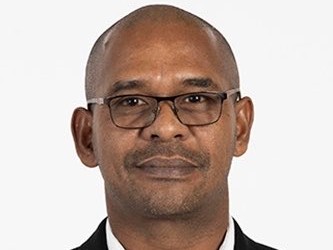
“We are immensely proud of the students who completed these courses and are graduating today,” remarked King Phalo Airport Manager Nicola Smith on Tuesday.
“This was the first time we are running these SED projects, and I am satisfied to say that both have been resounding successes.”
“I would also like to extend a word of thanks to our implementing partner, Great North Business Incubator (GNBI) which provided the training intervention.
“They have done an excellent job to ensure that the graduates received the proper training and skills development that will set them on the road to future success.”
GNBI is positioned to advance the successful development of entrepreneurial companies through a basketful of business support resources and services mainly through low-cost shared space, and professional services.
The organisation provides training, business incubation, and consulting services for government departments, local government, youth, NGOs, and a host of other entities.
“From conducting interviews and recruiting suitable beneficiaries to drafting the programmes and conducting the training, GNBI has been the backbone of these SED initiatives,” said Smith.
“They have also been instrumental in establishing key partnerships with the Department of Labour and other key stakeholders who supported these projects”.
Smith added: “Strategic partnerships are very important to us as ACSA… So I would also like to extend special thanks to Buffalo City Metropolitan Municipality that supported these training courses by providing participants with opportunities to get extensive on-the-job training, as well as the local ward councilors who galvanised the communities to take part in our initiatives.”
Smith said these SED projects speak to ACSA’s vision to positively impact and uplift local communities through skills development, making sure that the communities living close to the airport particularly benefit from these initiatives and become successful entrepreneurs, business owners, and employers.
“As ACSA, part of our mandate is to transform the local aviation industry and investing in such SED projects ensures that these entrepreneurs become part of our supply chain and participate in work that assists with positioning ACSA as a social and economic catalyst to the region,” Smith said.
“By helping these graduates open their own companies, we can uplift the region and transform our supply chain at the same time.
“Our SED programmes have thus evolved from simple handouts to teaching our communities to build sustainable business opportunities.
“It is about job creation and entrepreneurship; enabling our graduates to employ other people so that their communities can benefit from this multiplier effect.”
While these SED initiatives have been deemed a success, Smith said that ACSA will continue to monitor the newly established companies for the next year or two to assess their growth and experience and ensure that they can meaningfully participate in the airport company’s value chain in the near future.