Pretoria – The number of confirmed Mpox cases in South Africa has risen to 20.
In a statement Thursday, the Department of Health said it was “pleased to announce that 15 of the total number of Mpox cases have received a clean bill of health, while five remain hospitalised due to severe health complications compounded by either unmanaged or recently diagnosed underlying conditions such as HIV”.
RELATED: Mpox Outbreak: Border Management Authority Screens Visitors To SA At Ports Of Entry – The Bulrushes
RELATED: Mpox Outbreak: Third Person Dies, 3 More Cases Confirmed In SA – The Bulrushes
Health Departmental Spokesperson Foster Mohale said: “Only one case was re-admitted for further medical attention”.
Mohale added: “This is a testimony that Mpox is a treatable disease if diagnosed early for effective treatment, hence people are urged to seek health care once they experience Mpox-like symptoms or come into direct contact with someone who tested positive”.
He said the department, working with various stakeholders continues with efforts to curb the spread/transmission of Mpox in the country.
“The country has recorded four more laboratory-confirmed cases in Gauteng and KwaZulu-Natal provinces,” revealed Mohale.
He said the recent cases include:
- A 17-year-old man from Hillbrow in Johannesburg;
- A 37-year-old man from Pretoria East;
- A 29-year-old man from West Rand; and
- A 19-year-old man from Durban in KwaZulu-Natal.
Mohale said: “This brings the total number of positive cases of Mpox in South Africa to 20 and three deaths since the outbreak of the disease in May 2024.
“Ten cases were recorded in Gauteng, nine cases in KwaZulu-Natal, and one from Western Cape.
“Outbreak response teams have been activated for the newly diagnosed cases. All cases are male, aged between 17- 43 years old.”
Meanwhile, another batch of Mpox-specific treatment (Tecovirimat) is expected to arrive in the country in the next few weeks.
The department warned that the number of cases was also expected to rise due to intensified contact tracing, risk communication, and community engagement activities in the affected communities.
The National Institute for Communicable Diseases (NICD) has received over 130 test requests since the outbreak of Mpox in South Africa.
The department appealed to all contacts of confirmed cases and suspected cases to cooperate with health workers during contact tracing, screening, and a 21-day monitoring period, to ensure no case is left undetected.
“Contact tracing is one of the critical tools available to effectively break the chains of local transmission and control the Mpox outbreak,” explained Mohale.
“All people with suspected symptoms are reminded to visit the nearest healthcare facility right away for clinical evaluation, diagnosis, and treatment options, instead of self-diagnosing and isolation.”
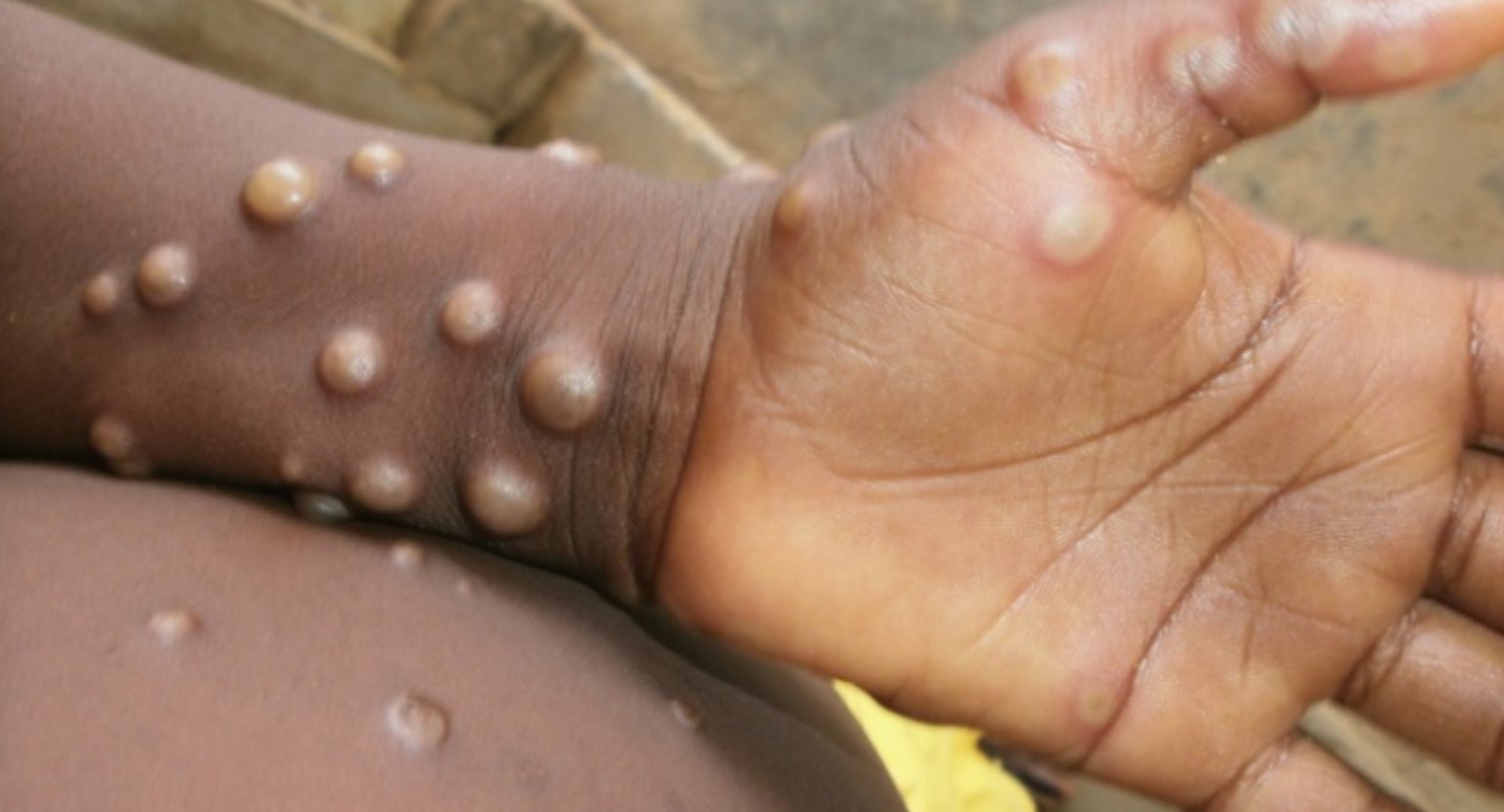
Mohale said common symptoms of Mpox include a rash which may last for two – four weeks, fever, headache, muscle aches, back pain, low energy, and swollen glands (lymph nodes).
The rash looks like blisters or sores and can affect the face, palms of the hands, soles of the feet, etc.