Johannesburg – A Human Sciences Research Council (HSRC) survey has found that Gauteng has the third-lowest HIV prevalence in South Africa.
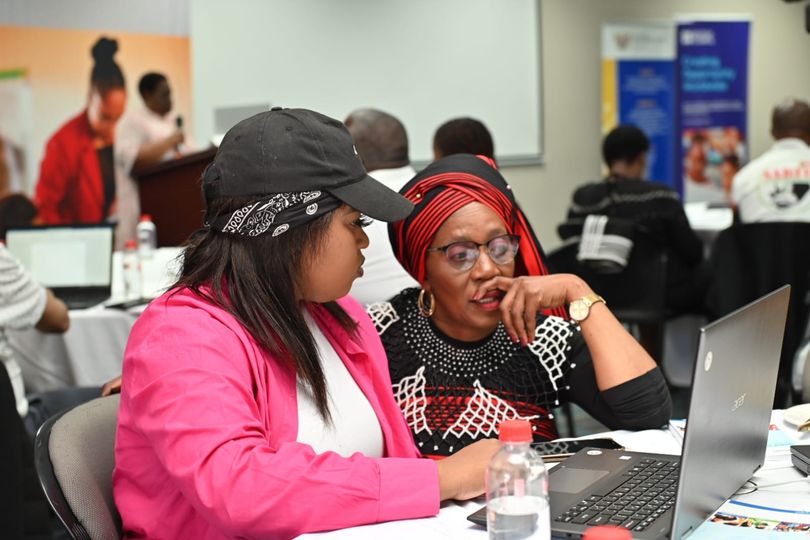
The HSRC released the key findings of the Sixth South African HIV Prevalence, Incidence, and Behaviour Survey (SABSSM VI) for Gauteng Province on Thursday, (29 August 2024), at a provincial dialogue held at the ANEW Hotel Parktonian in Braamfontein, Johannesburg.
The survey found that, compared to other provinces, Gauteng had the third-lowest HIV prevalence, at 11.9% in 2022 and 12.1% in 2017.
This translates to an estimated 1 720 000 people living with HIV (PLHIV) in Gauteng in 2022, representing an insignificant 0.2% decline from the 1 780 000 reported in 2017.
The findings also showed that, in 2022, HIV prevalence in the province was disproportionately higher among those aged 25 – 49 years (20.0%), for females (24.9%) and males (14.1%).
HIV prevalence was also higher among those residing in rural formal or farm areas (12.7%).
According to the overall principal investigator of the study, the HSRC’s Professor Khangelani Zuma, the HIV prevalence peaked at 32.2% among those aged 50 – 54 years in 2022.
In 2017, the prevalence peak was in a younger age group, at 31.9% among those aged 35 – 39 years.
“There was a decrease in HIV prevalence in 2022 among all age groups younger than 40 years compared to 2017,” Professor Zuma noted.
“It is, however, concerning that even though the epidemic is ageing, there seems to be a possibility of new infections still happening in the older age groups.”
The data presented are for five priority districts of Gauteng, namely the City of Tshwane, the City of Johannesburg, Ekurhuleni, Sedibeng, and West Rand, as per the study protocol.
Among the five districts, the highest HIV prevalence was in Sedibeng (13.2%).
Antiretroviral treatment (ART)
Gauteng’s antiretroviral treatment (ART) coverage increased to 73.4% in 2022 from 56.0% in 2017.
The ART coverage translates to an estimated 1,210,000 people living with HIV in the province receiving treatment in 2022.
ART use among all people living with HIV in the province was lowest among those aged 15–49 years (72.4%) compared to other age groups. ART use was lower among males (66.3%) within this age group than their female counterparts (75.1%).
ART use was also lower among those who reside in rural informal or tribal areas (70.3%), compared to urban areas (73.0%).
ART use in Gauteng was consistently lower among males compared to females in all the age groups, however, it was lowest in the West Rand (73.4%) and Ekurhuleni (73.6%) districts.
The SABSSM VI survey, conducted between 2022 and 2023, aimed to maintain surveillance of HIV infection and behaviours in South Africa, evaluate the progress of the South African national HIV and AIDS, STI, and TB Strategic Plan, and monitor HIV indicators for national and international reporting.
The survey’s key objectives included estimating HIV prevalence and incidence, viral load suppression, and exposure to HIV-related services among adults and children.
It also assessed progress towards the 2030 UNAIDS 95-95-95 targets, HIV drug resistance, and the relationship between social and behavioural factors, intimate partner violence, and HIV infection.
UNAIDS 95–95–95 targets
The data reveals that, in terms of progress towards the 95-95-95 UNAIDS targets, 85.3% of people aged 15 years and older living with HIV in Gauteng were aware of their HIV status.
Of those, 86.5% were on ART, and 95.2% of those on ART were virally suppressed.
Nationally, the 2022 survey estimated that 89.6% of people living with HIV aged 15 years and older were aware of their HIV status – and 90.7% of those who knew their HIV status were on ART, and 93.9% of those on ART were virally suppressed.
The survey shows that Gauteng is lagging in achieving the first and second 95 UNAIDS targets, with males having the largest gap at 75.4% (first 95).
However, the third 95 target was achieved among males (96.9%), those aged 50 years and older (97.9%), those residing in urban areas (95.0%), and those in the City of Johannesburg and Ekurhuleni districts (96.4% and 95.1%, respectively).
South Africa has adopted the UNAIDS 95–95–95 treatment targets in its National Strategic Plan 2023–2028, aiming to achieve the following goals: 95% of all people living with HIV knowing their HIV status (first 95); 95% of those who know their status being on ART (second 95); and 95% of those on ART achieving viral suppression (third 95).
Viral load suppression (VLS)
The survey further revealed that Gauteng had the fourth highest proportion of all people living with HIV with VLS (79.7%) – having increased from 55.3% in 2017.
Notably, VLS was lower among adolescents and youth aged 15–24 years (67.4%) compared to other age groups.
VLS was lower among males (79.5%) compared to females (79.9%), and among those residing in rural informal or tribal areas (72.2%) compared to those in urban areas (80.3%).
The patterns in VLS by age and locality type among females mirror those for ART coverage.
However, district-level patterns in VLS do not reflect patterns in ART coverage, except in the City of Tshwane, where ART coverage was similar (79.6%) to VLS suppression (78.8%).
Knowledge of HIV status Professor Zuma expressed concern that people living with HIV aged 25 – 49 years account for the majority of people living with HIV in Gauteng who are unaware of their HIV status (61.8%), aware of their HIV status but not on ART (64.6%), and on ART but not virally suppressed (64.6%).
He also noted that adolescents and youth aged 15–24 years contribute disproportionally to gaps in treatment, accounting for just 6.8% of all people living with HIV, but 20.0% of those unaware of their HIV status, 13.4% of those aware of their HIV status but not on ART, and 12.1% of those on ART but Page 2 of 6 not virally suppressed.
A similar pattern exists among males and females.
Females aged 15 – 24 years account for the minority of all females living with HIV (6.4%), but a relatively larger proportion of those who do not know their status (15.2%), not on ART (13.4%), and on ART but not virally suppressed (12.1%).
Males aged 15 – 24 years account for just 7.8% of all males living with HIV, but 27.3% of those unaware of their HIV status, 19.4% of those who are aware but not on ART, and 18.9% of those who are on ART but not virally suppressed.
The survey also revealed that those living in urban areas account for the majority of people living with HIV overall and the majority of those in gaps along the clinical cascade.
People living with HIV in urban areas are also over-represented in each of the gaps along the clinical cascade, particularly ART.
Whereas PLHIV in urban areas account for about 90% of all people living with HIV, they account for 86.9% of those who are not on ART.
A similar pattern is observed for both urban females and males.
The survey further revealed that, among all districts, Ekurhuleni accounts for just 30.6% of all people living with HIV, but 47.4% of all people living with HIV who do not know their status.
Key Drivers Of The HIV Epidemic
Sexual debut before the age of 15 years Regarding the key drivers of the HIV pandemic, Professor Zuma noted that, in Gauteng, there was a change in the proportion of adolescents and youth aged 15 – 24 years who reported having sex before the age of 15 years in 2017 (14.8%) compared to 2022 (13.2%).
In 2022, the percentage of adolescents and youth aged 15-24 who had their sexual debut before the age of 15 was higher among males (17.8%) than females (7.9%).
The prevalence was lowest in Ekurhuleni (9.5%) and highest in West Rand (18.1%), followed by the City of Johannesburg (14.1%).
Multiple sexual partners
The survey revealed that in Gauteng, 7.8% of people aged 15 years and older reported having multiple sexual partners in 2022 compared to 12.8% in 2017.
The proportion of people aged 15 years and older who reported having multiple sexual partners was four-fold higher among males (12.3%) compared to females (3.1%), and two-fold higher among those aged 15 – 24 years (17.1%) compared to those aged 15 – 49 years (8.6%).
The proportion who reported having multiple sexual partners was highest in the City of Tshwane (13.7%) and lowest in West Rand (2.9%).
Condom use with the most recent sexual partner
Regarding condom use, the survey found that, in Gauteng, 30.3% reported using a condom with the most recent sexual partner in 2022 compared to 36.3% in 2017, representing a decline of six percentage points.
Condom use with the most recent sexual partner among people aged 15 years and older was lower among those aged 25 – 49 years (29.6%) compared to other age groups, females compared to males (27,6% versus 32.9%), and among those residing in rural formal or farm areas (18.9%) compared to other localities.
Condom use with the most recent sexual partner among people aged 15 years and older ranged from 24.7% in the City of Tshwane to 37.9% in West Rand.
Nationally, more than 70% of individuals aged 15 years and older had never or sometimes used a condom with their most recent sexual partner.
In Gauteng, a higher proportion (53.8%) also reported that they never used a condom with their most recent sexual partner. Only 4.7% reported that they used a condom almost every time.
Consistent condom use with the most recent sexual partner among people aged 15 years in the province was higher among adolescents and youth aged 15 – 24 years (32.1%) compared to those aged 25 – 49 years (19.3%).
However, over 70% of those aged 25 – 49 years reported only using a condom sometimes or never.
Consistent condom use with the most recent sexual partner among people aged 15 years and older was highest in Sedibeng (23.4%) and lowest in the City of Tshwane (17.0%).
Male circumcision
In Gauteng, self-reported male circumcision decreased from 64.4% in 2017 to 64.0% in 2022.
In 2022, self-reported male circumcision in the province was lower among those aged 25 – 49 years (67.4%) and those residing in rural formal or farm areas (42.2%), and highest among those aged 25 – 34 years (71.9%).
Regionally, self-reported circumcision among males aged 15 – 24 years ranged from 63.3% in Ekurhuleni to 81.1% in Sedibeng.
Among males aged 25 – 34 years, it ranged from 70.1% in the City of Johannesburg to 84.7% in Sedibeng.
Among males aged 25 – 49 years, it ranged from 66.4% in the City of Tshwane to 73.9% in West Rand.
Gauteng had the fourth highest proportion of medical circumcisions in the country at 70.6%.
The survey further revealed that willingness for voluntary medical male circumcision among uncircumcised men in Gauteng was highest among adolescents and youth aged 15–24 years (39.6%).
Male circumcision among children aged 14 years and younger in Gauteng increased with age from 4.5% among those aged 0 – 4 years to 52.5% among children aged 12 – 14 years.
Male circumcision among children aged 14 years and younger was lowest in the West Rand (6.2%).
Awareness of HIV testing sites Awareness of HIV testing sites is critical for accessing HIV testing services.
In 2022, awareness of HIV testing sites by selected demographic characteristics among people aged 15 years and older was generally high.
However, awareness was lower among adults aged 50 years and older (88.3%) compared to those aged 25 – 49 years (98.0%).
Access to HIV testing sites is important for scaling up the utilisation of HIV testing services.
In Gauteng, a higher proportion of people aged 15 years and older accessed public clinics or doctors for HIV testing (53.5%).
Awareness and uptake of pre-exposure prophylaxis (PrEP) Overall, in 2022, 33.3% of sexually active adults aged 15 years and older had heard of PrEP, and 4.6% of them had taken PrEP.
Of those who had taken PrEP, 1.5% were taking PrEP at the time of the survey.
More females (39.1%) compared to males (27.3%) had heard of PrEP and were willing to use PrEP to prevent HIV (68.7% versus 58.9%).
Compared to other age groups, more adolescents and youth aged 15 – 24 years had heard of PrEP (41.2%).
Of those, 2.2% were currently taking it and 67.4% were willing to take it.
Overall, 65.0% of respondents who had heard of PrEP but had never taken PrEP, reported they would consider taking it to prevent HIV infection.
Current use of PrEP was highest in the City of Johannesburg (1.7%).
Key recommendations
The survey recommends key actions to address the HIV epidemic as a public health threat in South Africa by 2030.
These include a long-term strategy to care for individuals in an aging HIV epidemic, as well as addressing health inequalities and combining prevention strategies to address specific HIV prevalence and treatment rates of concern at district levels.
Professor Zuma recommends enhancing public awareness of effective HIV prevention measures, such as regular HIV testing, condom use and PrEP.
He also emphasised a continued focus on increasing voluntary medical male circumcision uptake among uncircumcised males aged 15 years and older.
“We also recommend enhancing prevention efforts targeted at groups that are disproportionately affected by the drivers of HIV infection, such as women and young people,” concluded Professor Zuma.
The HSRC conducted the survey in partnership with the US Centers for Disease Control and Prevention, the South African Medical Research Council, the University of Cape Town, and the National Institute for Communicable Diseases.
Click on the link below to download the full provincial report, presentation, and a 20 year SABSSM anniversary video: https://hsrc.ac.za/special-projects/sabssm-survey-series/sabssm-vi-provincial-dialogue-gauteng province-media-pack/