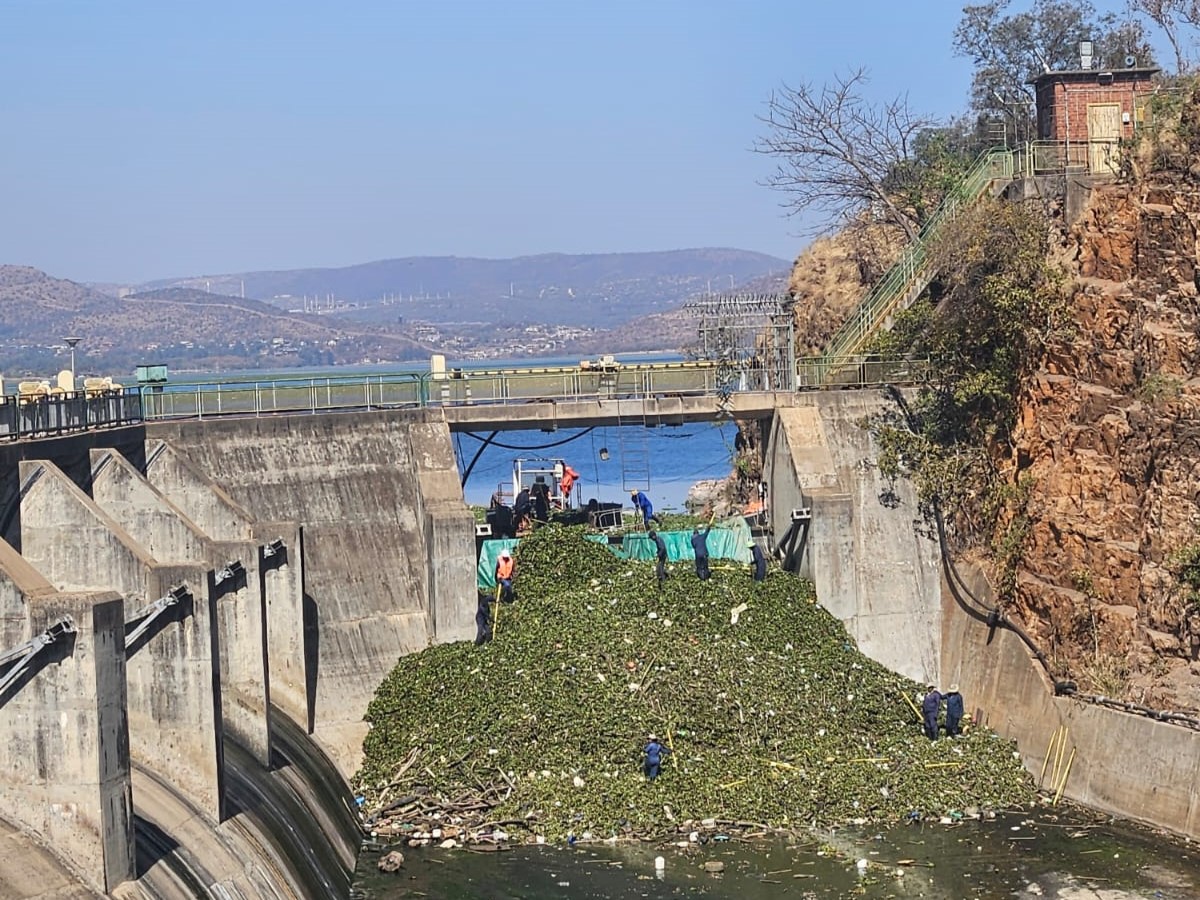
Johannesburg – Magalies Water has moved to allay fears of downstream pollution of the Crocodile River, saying the hyacinth on Hartbeespoort Dam Wall remains contained.
In a statement on Friday, (30 August 2024), Magalies Water said: “It has noted with concern circulating videos and photographs on social media platforms, of hyacinth, which is being removed from the Hartbeespoort Dam near the sluice gates”.
The statement issued by Magalies Water spokesperson David Magae added: “The waste materials, which have been offloaded from the harvesters at the dam wall, were being prepared for removal to the waste beneficiation site, where is it later used as fertilizer and compost for agricultural purposes”.


Magalies Water said the floating plants and debris collected from the dam are “not allowed” to spill over the dam wall or flow into the Crocodile River.

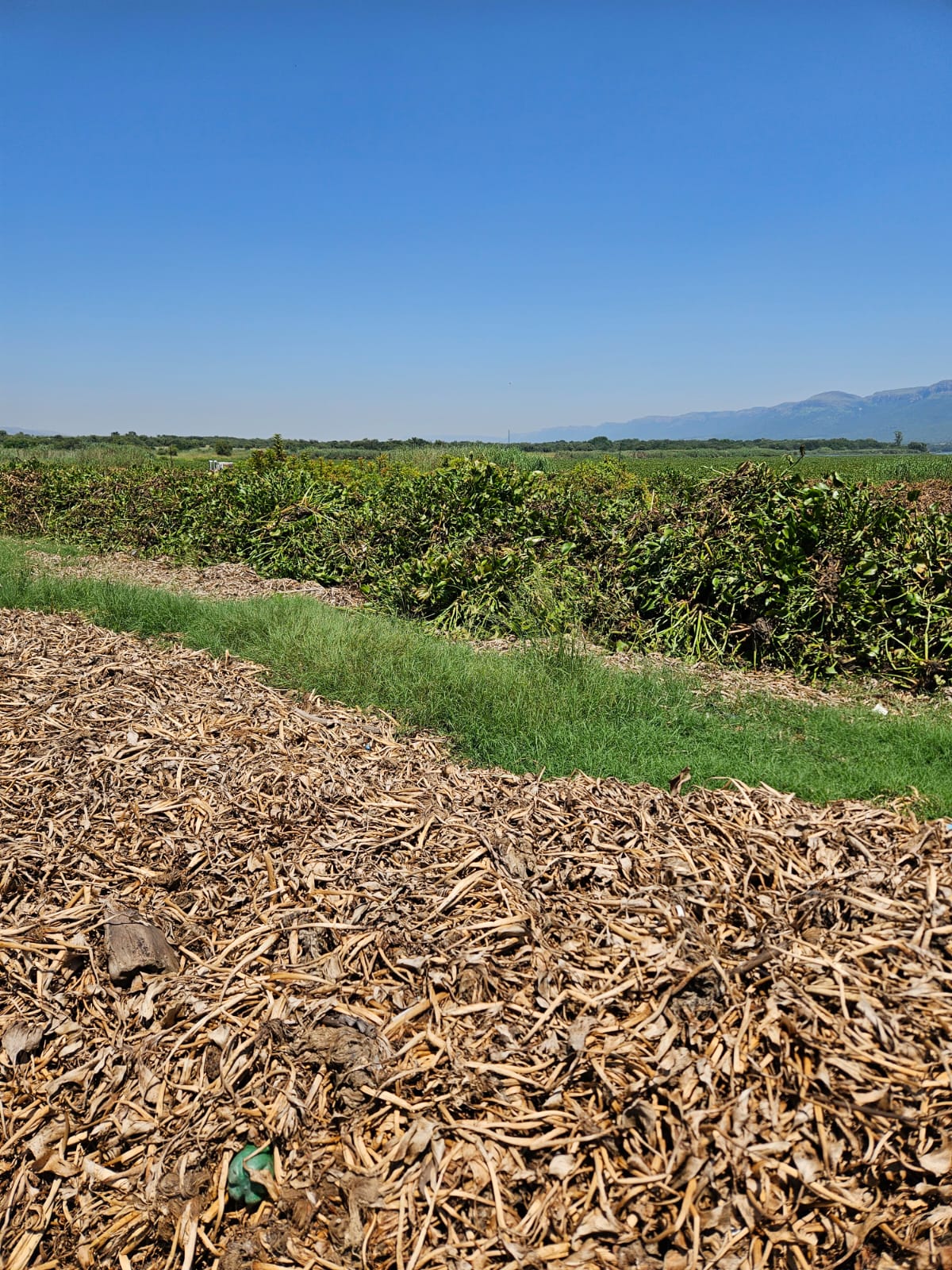
“Through a water-tight risk management plan specifically developed for current operations, Magalies Water guarantees that no floating plant material or debris can escape and flow downstream.
“The floating plants and debris are securely stockpiled on the dam wall before being transported to the beneficiation site.
“This stringent approach underscores our commitment to maintaining the integrity of the dam and ensuring that our operations contribute positively to the health of the river ecosystem for the benefit of everyone in the dam and downstream.”
Magalies Water said it has implemented a comprehensive turnaround strategy guided by 10 critical, needs-based objectives designed to restore and maintain the health of the Hartbeespoort Dam.
The objectives include:
- Management of alien invasive species
- Water quality status quo determination
- Mapping, water quality monitoring, profiling of the dam, and pollution tracking
- Implementation of hyacinths and algae remediation
- Modelling contaminants attenuation rates by hyacinth, algae, and sediments
- Revamping controls in the dam inlet, i.e., nets
- Stakeholder engagement
- Research and innovation to remove contaminants
- Curbing the nutrients loading at the source, and
- Integrated water resource management plan.
MagaliesWater said significant progress has been made across these objectives, and detailed findings will be presented in the upcoming peer-reviewed technical report and the annual report, scheduled for publication in November 2024.
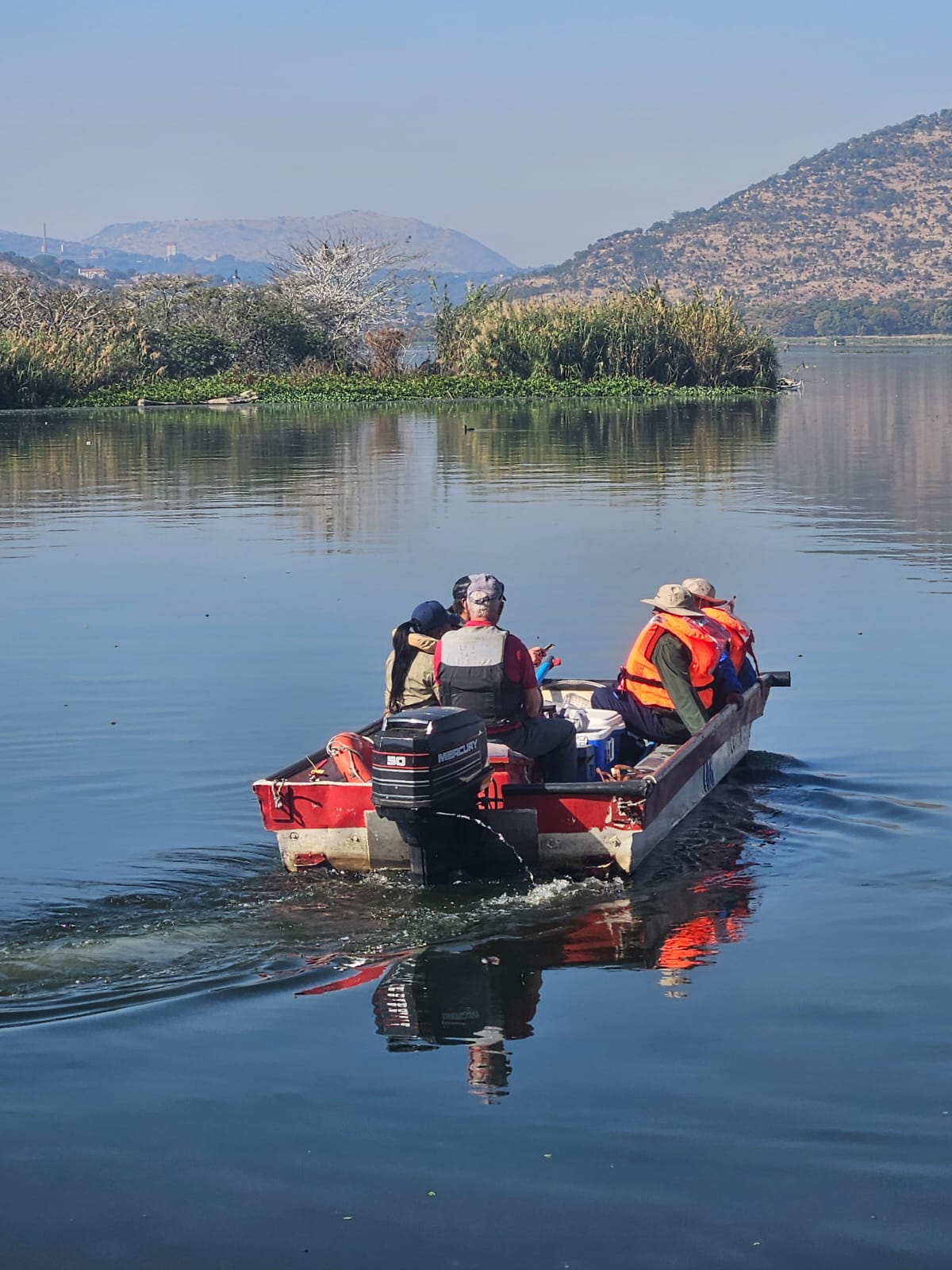
Hya Matla has been appointed by Magalies Water for the removal of floating plants and debris from the dam and its shoreline.


“We recognise that the well-being of the communities surrounding Hartbeespoort Dam is closely tied to the health of the water body,” said Magalies Water.
“By preventing the spread of invasive species and ensuring the purity of the water, we are safeguarding the livelihoods and recreational opportunities of local residents.
“Our operations are conducted with full transparency, and we actively engage with stakeholders to ensure that their concerns are addressed and that they are informed of our progress.”
Magalies Water said the inclusive approach fosters a sense of shared responsibility and ensures that all stakeholders have a vested interest in the success of our initiatives.
“Magalies Water and Hya Matla Organics are committed to continuously improving the methods and adopting innovative solutions that enhance the effectiveness and efficiency of our operations,” the statement said.
“Research and development are integral to our approach, enabling us to stay at the forefront of environmental management practices.
“Our unwavering commitment to ecological restoration, environmental sustainability, and social responsibility underpins every aspect of our operations.
“We will continue to innovate and implement effective solutions that not only preserve this vital water resource but also enhance the quality of life for all who depend on it.”