Johannesburg – The two-pot retirement system comes into effect on Sunday, (1 September 2024), but Everest Wealth – a private investment and wealth management company – warns those who expect quick access to withdrawals may be disappointed.
“It seems that withdrawals may not be able to start until later in September while hitches with the system are sorted out and then it will take even longer as the South African Revenue Service (SARS) has to issue a directive to retirement funds on how much to deduct before a payout can be done,” Everest Wealth said in a statement Saturday, (31 August 2024).
CEO of Everest Wealth Thys van Zyl points out that if you withdraw money from your savings pot, you will pay a transaction fee as well as tax.
“The amount you withdraw will be added to your taxable income for that tax year, and therefore taxed at your applicable marginal rate of between 18% and 45%,” explains Van Zyl.
“So if you are on the highest tax rate you will get just over half of the amount you withdraw. SARS can also deduct tax arrears before the money is paid out.”
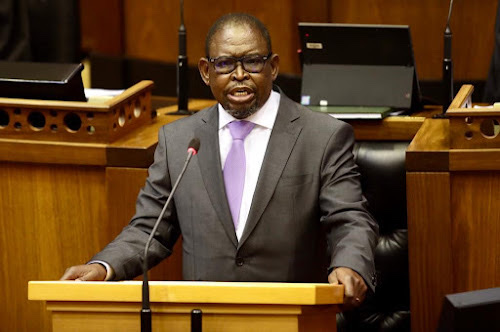
Earlier this year, Finance Minister Enoch Godongwana announced in his budget speech that the withdrawals from retirement benefits are expected to result in a R5 billion tax windfall for the government.
The government therefore expects that many people will withdraw money from their savings pots.
“The two-pot system is therefore not only going to bring a tax windfall for the government but may also result in more people ultimately being dependent on the government,” said Van Zyl.
“That money that is withdrawn could have grown a lot over the specific period and it can make a significant difference in the amount that is finally available for retirement.
“Therefore, regularly withdrawing your savings will have a compounding impact over time and is definitely not something that one should continue to do or even do regularly.”
Consumers should therefore ensure they understand exactly what the two-pot retirement system entails, including what options are available to them, the possible long-term consequences, and the tax implications.
“Consumers should consult a financial advisor about the possible risks that the system may pose to their retirement planning and retirement money,” said Van Zyl.
“This system will bring short-term relief to those with financial challenges but will also potentially cause long-term pain if not handled with care.”
Statistics show that only about 6% of South Africans will one day be able to retire comfortably while the rest will be dependent on their children, the state, or other possible sources of income.
“This brings yet another major change to the way in which South Africans save for retirement,” said Van Zyl.
“Many people already do not understand how to use their retirement money optimally and will now have to learn about different pots and their influence on their savings.
“The system aims to prevent people from resigning to access all their retirement money.
“Furthermore, only money in the savings pot may be withdrawn.
“However, those who have access to the established pot will also still be able to withdraw cash if they resign.”
The two-pot system comprises a savings pot (or emergency pot) and a retirement pot.
From tomorrow, (Sunday, 1 September 2024), 10% of people’s existing retirement savings, limited to a maximum of R30 000, will be placed in this pot.
After this, a third of all retirement fund contributions will go to the savings pot and workers will be able to access it once per tax year.
Two-thirds of contributions will go into the retirement pot that workers can access upon retirement.
There is also a third pot (the so-called vested component) in which already existing retirement money will lie and which will be handled in terms of the old rules.