“Without international hunting income, there is no future for our five hunting communities that run the Chobe Enclave Conservation Trust (CECT),” says a resident.
He says that the Western countries’ happiness about economic growth and stability was similar to that of the CECT communities, “as long as international hunting continues to support their socio-economic needs, including wildlife conservation”.
Earning US$1.4 million annually from international hunting and lodges built using international hunting income, the CECT comprises five sparsely populated villages.
Namely, Satau Parakarungu, Mabele, Kavimba, and Kachikau.
They have a multi-million-dollar bank account “loaded” with international hunting income which they started earning in the late 1990s.
“The CECT communities earn about US$700 000 annually from international hunting,” says Nchunga-Nchunga, a resident of one of the CECT villages, Kavimba in an interview this month.
“We also earn another US$700 000 from the annual rental fees which we collect from the tourism businesses which are renting our international hunting revenue-built two upmarket bush lodges, Ngoma (2010) and Linyanti (2014), bringing our total annual income to US$1.4 million.
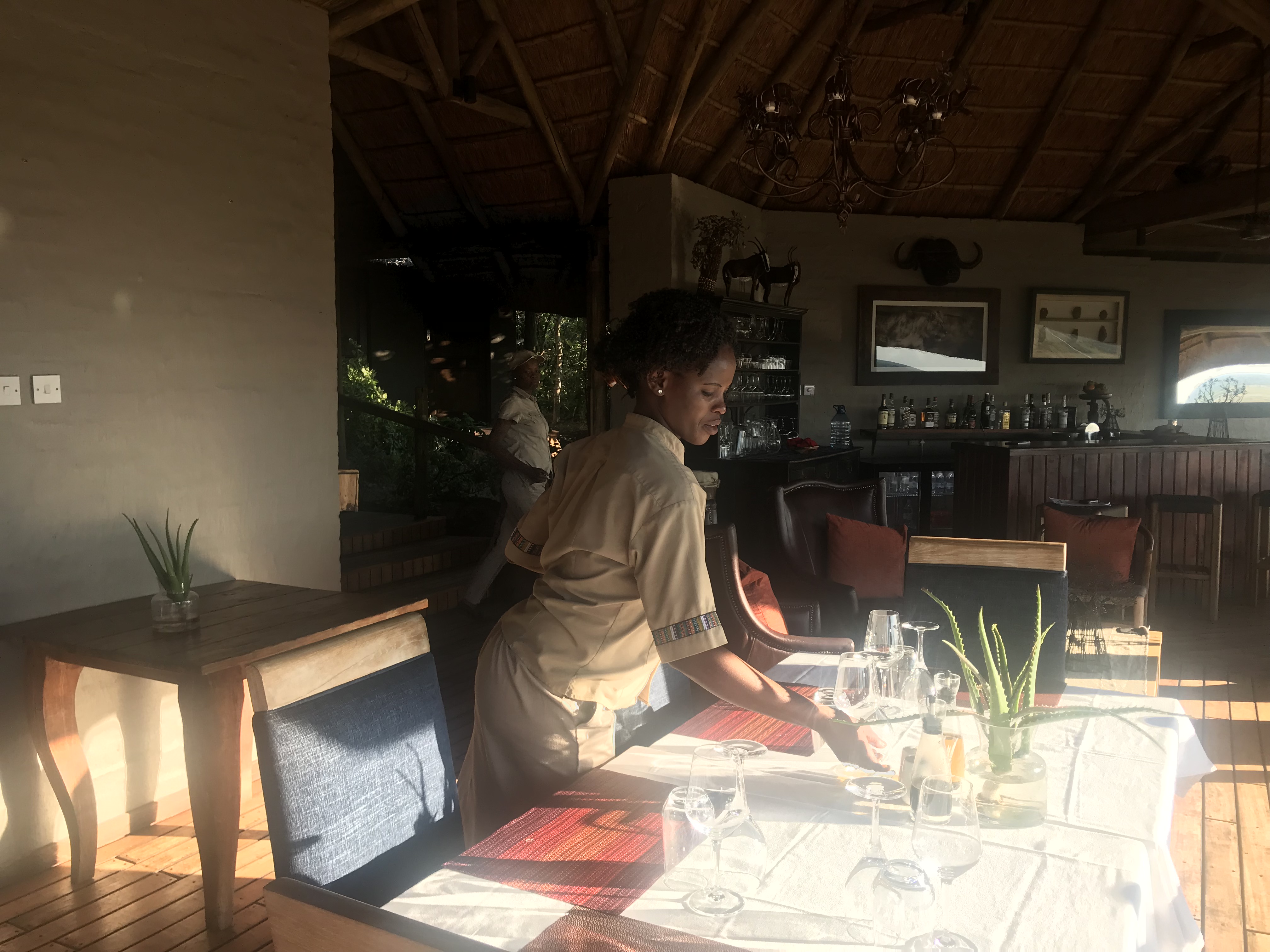
Over 95% of the lodge employees come from the CECT villages.
The lodges “will bring more income next year” when the CECT starts getting paid a certain percentage of bed occupancy, monthly.
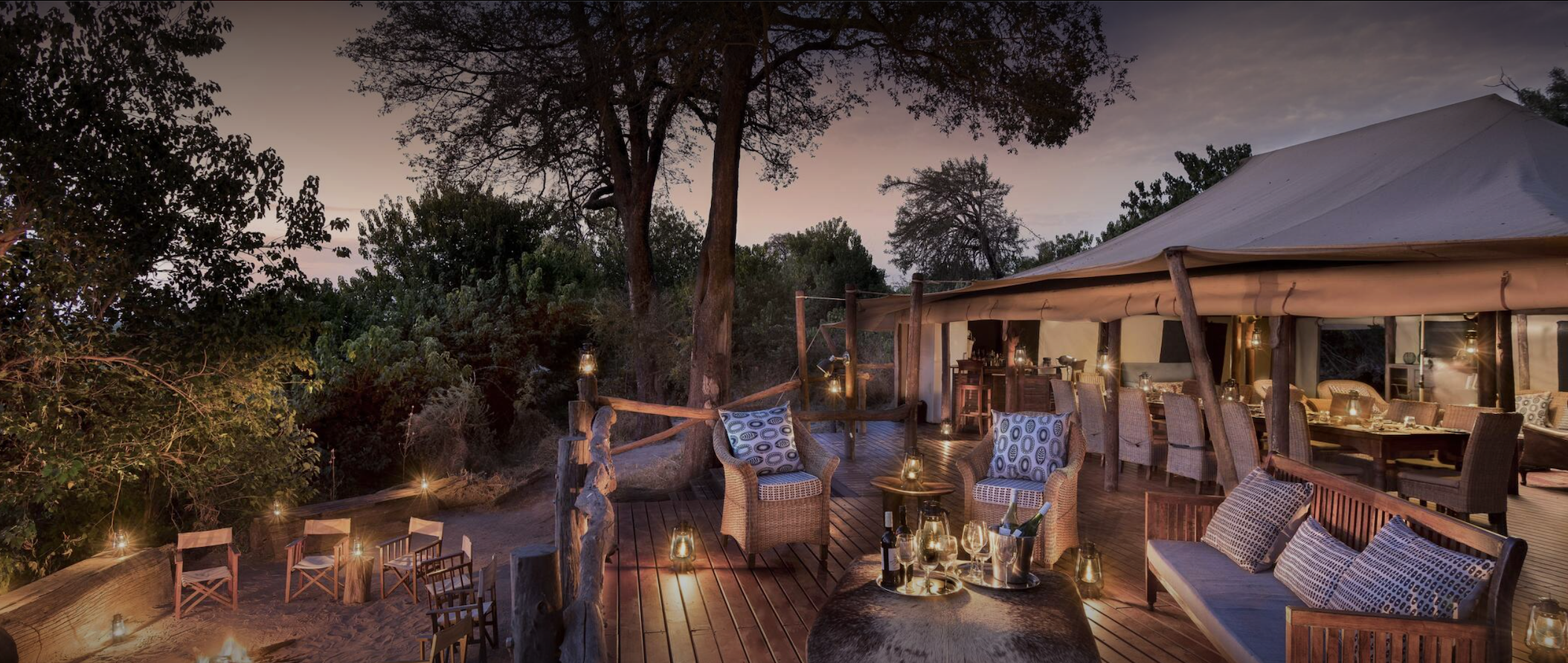
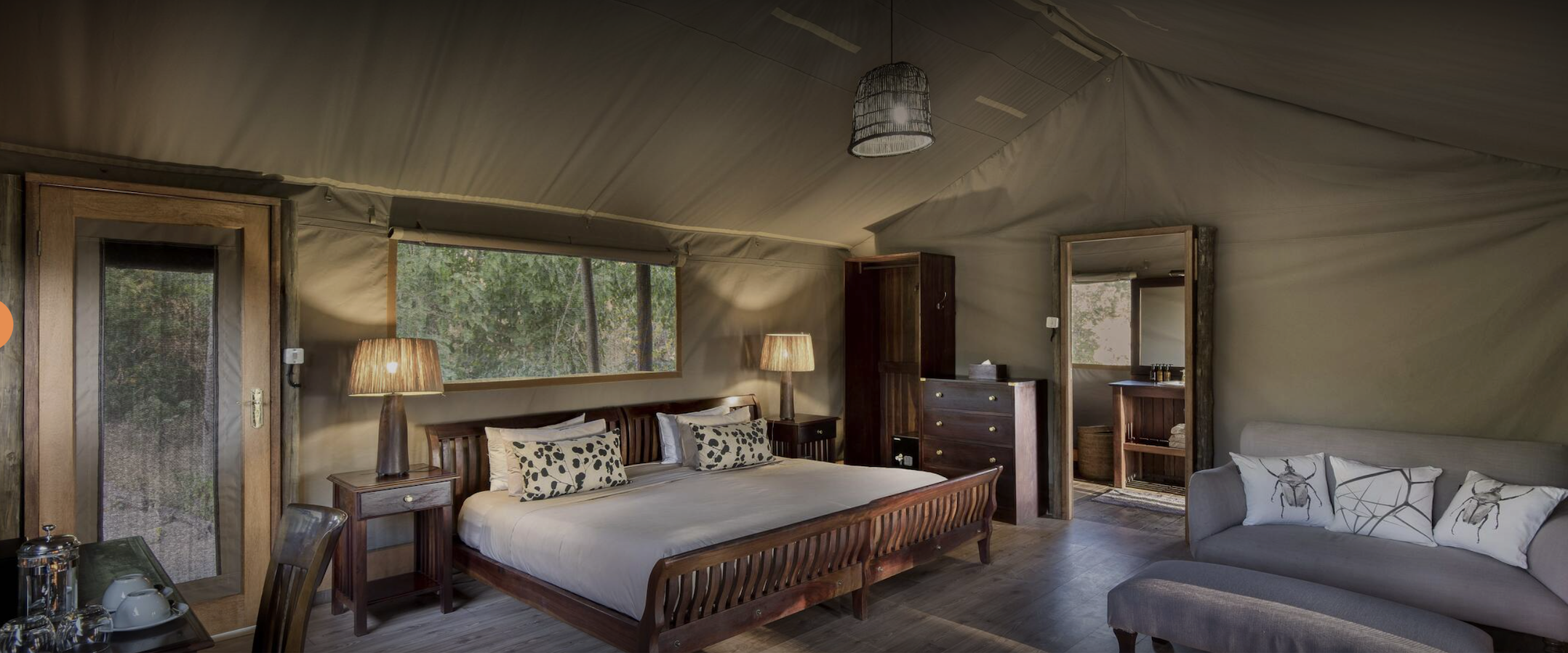
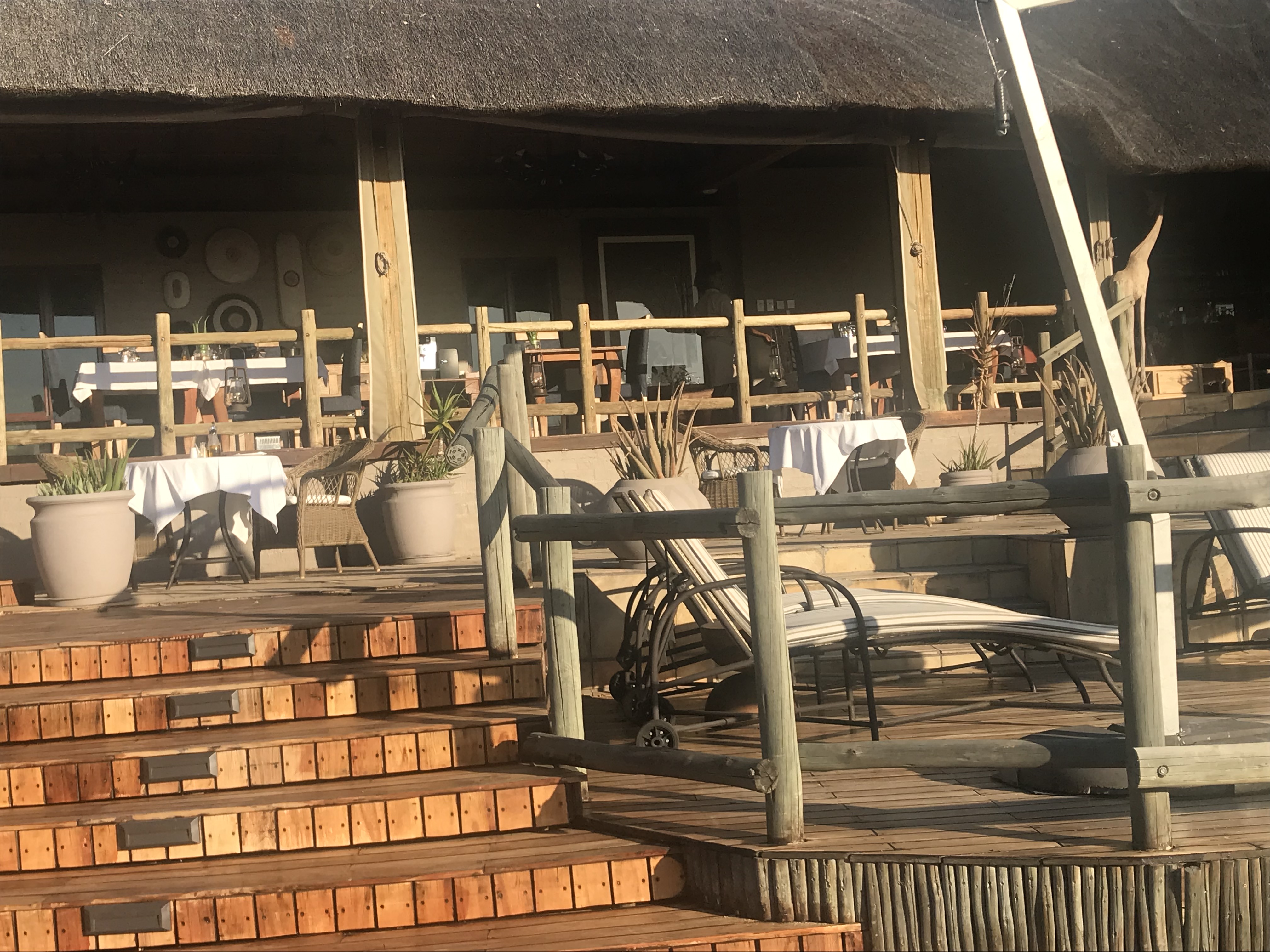
Additionally, Nchunga-Nchunga says that the CECT hunting communities will earn more income in 2025, after building “a third upmarket lodge and a campsite.”
“The CECT assets, including the two upmarket lodges, are worth about US$3 million and I don’t know of any African rural community that earns more money than we do from international hunting and our investments,” Nchunga says, without disclosing the millions in the CECT bank account.
“This makes us the richest hunting community, not only in Botswana but in Africa.”
Other CECT business enterprises include one of the biggest abattoirs in Chobe District.
“Satau Village owns a cattle abattoir,” he said.
“All the butcheries in Chobe District and Pandamantenga pay for cattle slaughter there and it’s a healthy way of slaughtering cattle.”
He said that international hunting income was also used to buy tractors for agricultural production, pay for educational bursaries, and build profitably run community stores, including brick molding projects.
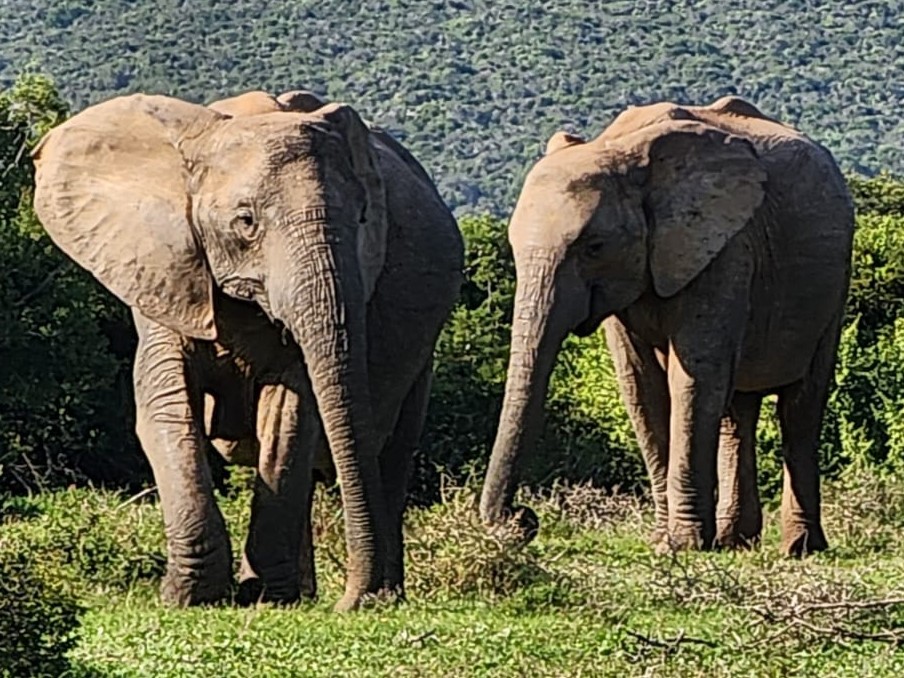
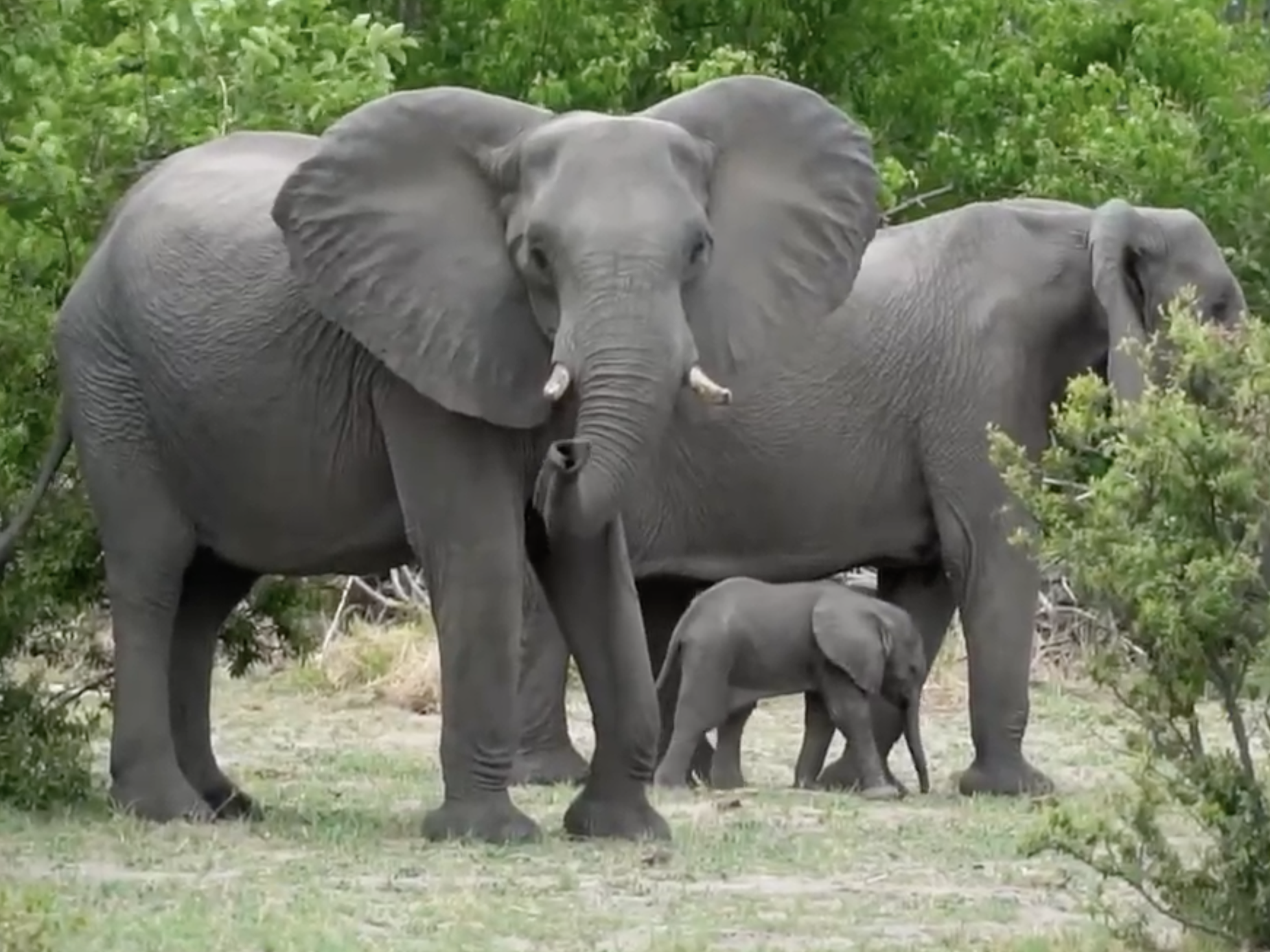
“The CECT communities’ wildlife conservation efforts include game counts, employing game scouts to prevent poaching, pumping wildlife drinking water from a borehole into a dam which is also the ‘home’ of scores of hippos,” says Nchunga.
“Two more boreholes will be drilled next year to ensure sufficient drinking water for wildlife.”
*About the Writer: Emmanuel Koro is a Johannesburg-based independent international award-winning environmental journalist who writes extensively on environmental and developmental issues in Africa.
*The views expressed by the author of this article, Emmanuel Koro, are not necessarily those of The Bulrushes